 blog
blog
Essential Equipment for Hyperbaric Treatment Rooms
Table of Contents
- The Core Equipment: Choosing Your Hyperbaric Chamber
- Hyperbaric Chamber Safety Equipment You Cannot Skip
- Hyperbaric Chamber Monitoring Equipment for Clinical Operations
- Hyperbaric Treatment Room Setup: Space, Infrastructure, and Utilities
- Supporting Wellness Equipment and Patient Comfort Systems
- Hyperbaric Chamber Maintenance Checklist and Lifecycle Management
- Building Your Business Case: ROI and Implementation Strategy
- Frequently Asked Questions
Last Updated: October 16, 2026
The Core Equipment: Choosing Your Hyperbaric Chamber
When you're building a hyperbaric treatment room, the chamber itself is your foundation. Everything else supports it. But not all chambers are created equal, and choosing the wrong one will cost you money and frustration down the line.
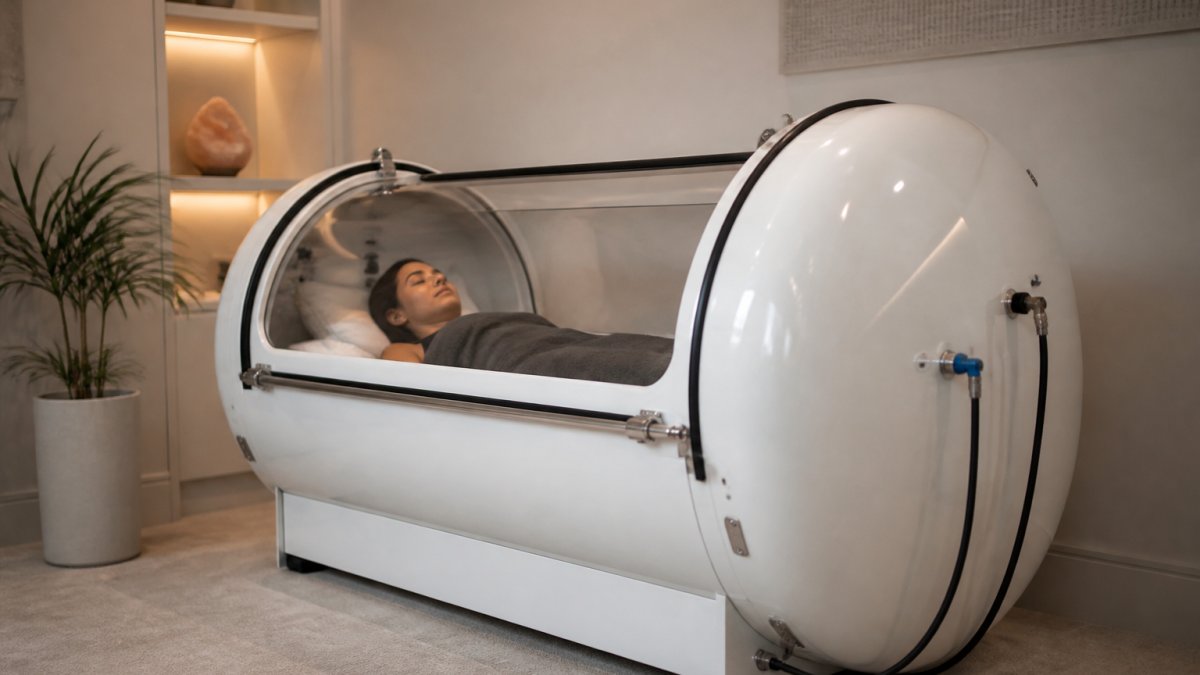
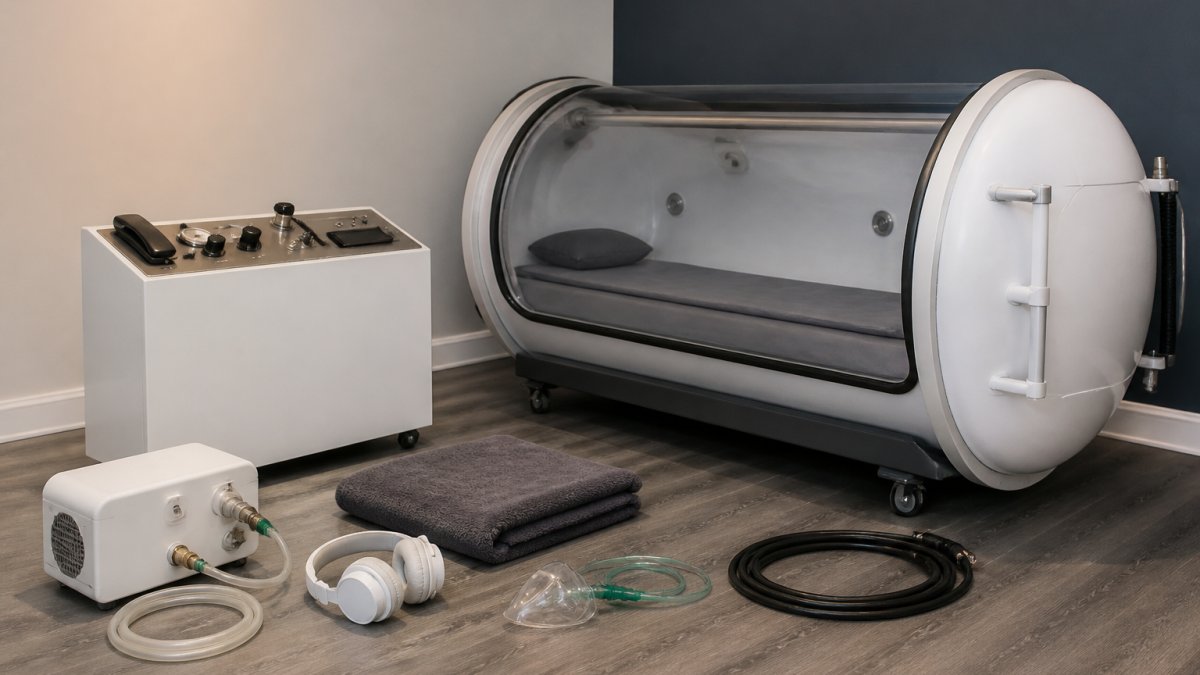
A hyperbaric chamber is a pressurized vessel designed to deliver oxygen-enriched air to patients in a controlled therapeutic environment. For commercial operations, you're looking at two main categories: monoplace chambers (single-patient, typically 40 inches in diameter) and multiplace chambers (accommodate multiple patients, 5-8 feet in diameter). Monoplace units are more affordable and require less space, making them popular in smaller gyms and med spas.
The FDA clearance matters here. Medical-grade equipment requires proper certification, and you'll want documentation that proves it. At Eternall Wellness, we help facilities evaluate chamber options based on actual treatment protocols and patient throughput.
Space requirements vary significantly. Monoplace chambers need roughly 100-150 square feet including buffer space. Multiplace chambers demand 300-500 square feet. Before you commit to a chamber type, measure your available space and calculate realistic daily sessions.
Consider oxygen delivery systems too. Some chambers use onboard oxygen concentrators; others require external oxygen supply. Concentrator-based systems are simpler to install but run continuously. External supply systems offer more flexibility but require dedicated oxygen storage and delivery infrastructure.
| Chamber Type | Patient Capacity | Space Required | Typical Daily Sessions | Best For |
|---|---|---|---|---|
| Monoplace | 1 | 100-150 sq ft | 4-6 | Smaller facilities, budget-conscious operators |
| Multiplace | 4-8 | 300-500 sq ft | 8-12 | High-volume clinics, group therapy |
Hyperbaric Chamber Safety Equipment You Cannot Skip
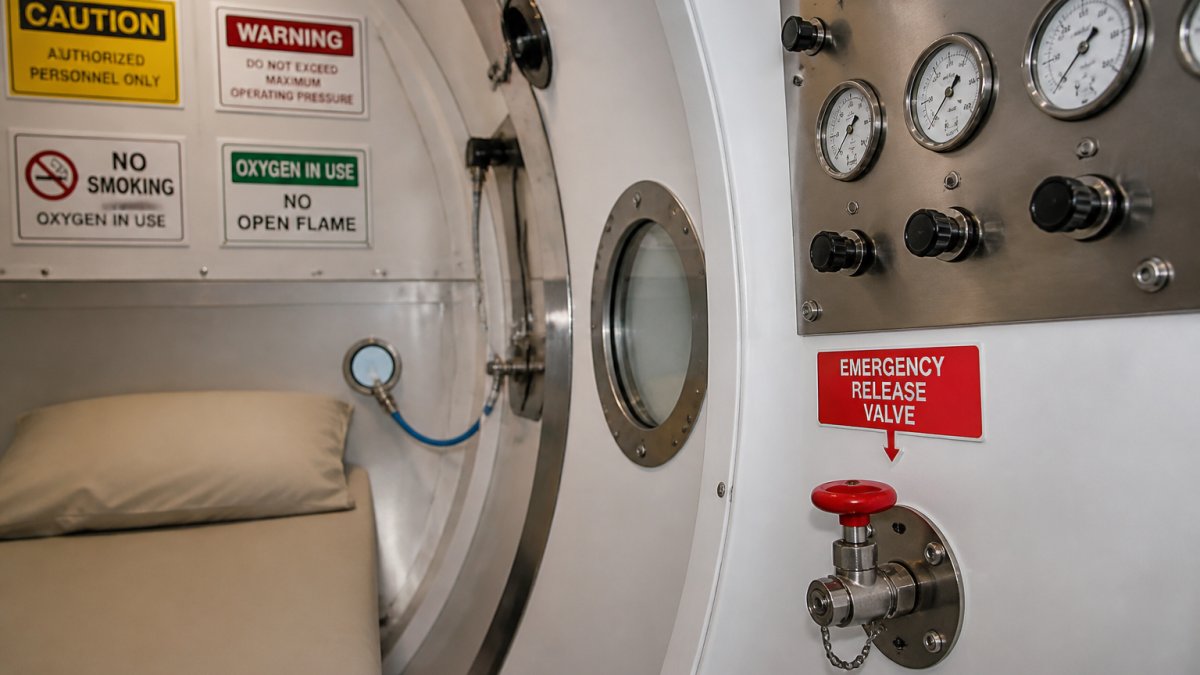
Safety equipment isn't optional. It's the difference between running a professional operation and running a liability. Every hyperbaric treatment room needs multiple redundant safety systems because pressure environments demand it.
Start with pressure control and pressure relief systems. Your chamber needs a primary pressure regulator and at least one backup. The primary regulator controls how quickly pressure increases and decreases. The backup activates if the primary fails.
An emergency release system is equally critical. Patients need a way to signal distress, and operators need a way to rapidly depressurize the chamber. Most systems use a two-stage approach: a patient communication button inside the chamber and a rapid-decompression valve the operator controls from outside. Test these systems weekly.
Emergency stop buttons should be positioned outside the chamber and at the control panel. One button, multiple locations. Operators need instant access without fumbling.
Pressure gauges, at least two independent ones, display real-time chamber pressure. One is your primary display; the second is your verification. If they disagree, you don't run the session. Some facilities use analog and digital gauges specifically to catch electronic failures.
A safety checklist before every session prevents problems:
- Verify both pressure gauges read identically
- Test emergency communication system
- Confirm relief valve responds to pressure increase
- Check all seals and hatches for visible damage
- Review patient medical history for contraindications
Hyperbaric Chamber Monitoring Equipment for Clinical Operations
Professional hyperbaric treatment rooms require monitoring equipment beyond the chamber itself. You're tracking patient vitals, session parameters, and compliance data simultaneously.
Pulse oximetry equipment measures blood oxygen saturation in real time. Most commercial setups use wireless pulse oximeters that transmit to a central monitoring station. This lets operators watch multiple patients simultaneously in multiplace chambers. You need at least one pulse oximeter per patient.
Blood pressure monitors are standard. Some facilities use automated cuff systems; others use manual monitoring. Automated systems are faster and reduce operator error, but manual systems work fine for lower-volume operations.
A timer display visible to both patient and operator prevents confusion about session length. Digital timers are standard now. Some chambers have built-in timers; others require a separate display mounted outside the chamber.
Session logging software tracks treatment history, pressure protocols, oxygen exposure, and patient outcomes. This data matters for two reasons: it proves compliance if regulators ask, and it helps you identify which protocols work best for your client base. Many facilities use spreadsheets; professional operations use dedicated hyperbaric software that integrates with your scheduling system.
Patient communication systems should allow two-way audio. Patients need to report symptoms or discomfort; operators need to provide instructions. One-way systems aren't sufficient for safe operation.
Hyperbaric Treatment Room Setup: Space, Infrastructure, and Utilities
The chamber is the headline, but infrastructure is what makes it work reliably. Most facilities underestimate the supporting systems required.
Electrical requirements vary by chamber type. Monoplace chambers typically draw 15-20 amps at 240 volts. Multiplace chambers can demand 30-50 amps. Before you install a chamber, have a licensed electrician verify your facility's electrical capacity. Undersized electrical service causes voltage drops that damage equipment and create fire risk.
Oxygen supply infrastructure depends on your chamber type. If you're using onboard concentrators, you need adequate air intake, typically a dedicated exterior air inlet with filtration to prevent dust and contaminants from entering the compressor.
Humidity and temperature control matter more than most operators realize. Hyperbaric equipment performs best in climates between 60-75°F and 30-50% relative humidity. If your treatment room sits in a hot, humid climate or an uninsulated space, install climate control.
Flooring should be level and reinforced. Multiplace chambers weigh 3,000-5,000 pounds. Your floor needs to support that load without settling or cracking. Concrete floors are standard; check the floor's load rating before installation.
Ventilation in the treatment room is essential. Hyperbaric equipment generates heat, and you need airflow to manage it. Most facilities use a combination of intake vents (bringing fresh air in) and exhaust vents (removing hot air). Poor ventilation shortens equipment life and makes sessions uncomfortable for patients.
A complete room setup checklist includes:
- Dedicated 240V electrical circuit with proper amperage
- Oxygen supply infrastructure (concentrator intake or external supply)
- Climate control system maintaining 60-75°F
- Reinforced flooring rated for chamber weight
- Intake and exhaust ventilation
- Emergency lighting and backup power options
- Proper signage and safety documentation
Supporting Wellness Equipment and Patient Comfort Systems
Most commercial hyperbaric treatment rooms now include complementary wellness systems. This approach increases session value and justifies premium pricing.
Book a 30-Minute Facility Review →
Infrared sauna systems pair well with hyperbaric therapy. Many facilities position them in adjacent rooms for pre- or post-session use. Infrared saunas create a complete recovery experience that justifies higher session fees.
Vibration chairs enhance patient comfort during longer sessions. Some multiplace chambers include seating; adding vibration capability increases perceived value without major cost.
Light and sound therapy systems (chromotherapy and sound frequency devices) are increasingly common in premium treatment rooms. These run during sessions and support the therapeutic environment without interfering with core hyperbaric function.
Hydrogen inhalation systems represent a newer addition to recovery-focused facilities. Some operators integrate hydrogen generators into their treatment room setup, allowing patients to combine hyperbaric oxygen with hydrogen therapy in a single session.
Acoustic wave and shockwave systems are separate modalities but often positioned in the same recovery suite. These appeal to the same client demographic as hyperbaric therapy.
The key to supporting equipment is integration without clutter. Your treatment room should feel professional and organized, not like a gadget showroom. Choose 2-3 complementary systems that align with your target client and treatment protocols.
Hyperbaric Chamber Maintenance Checklist and Lifecycle Management
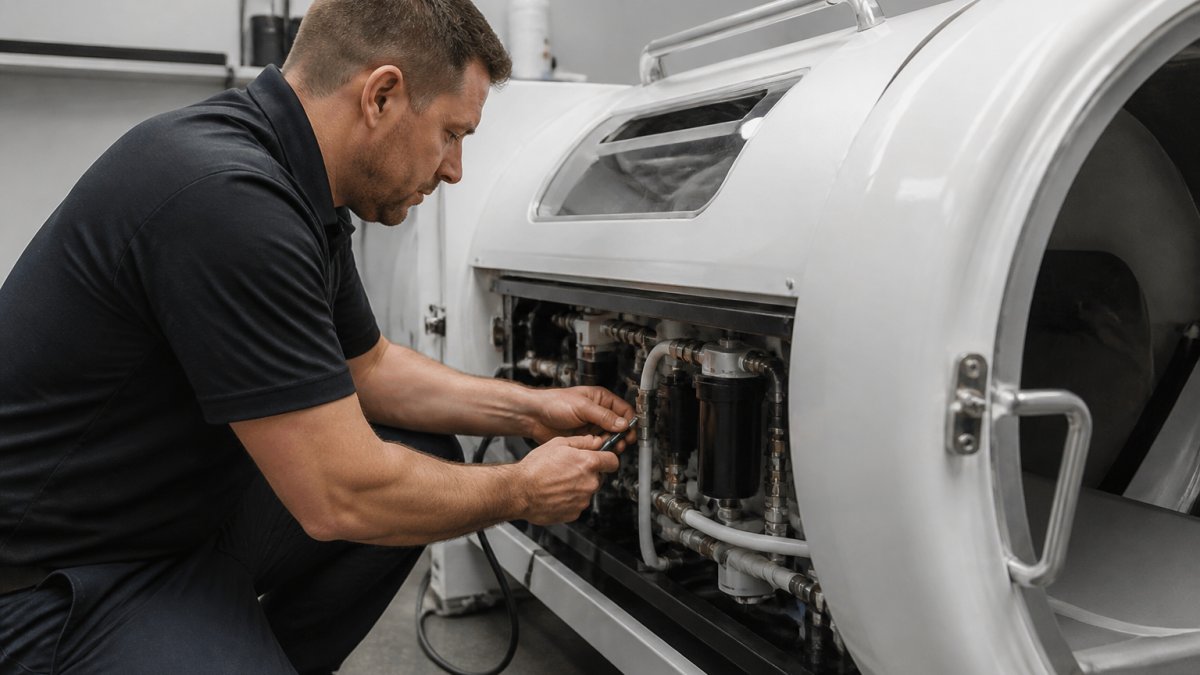
Equipment that doesn't get maintained fails at the worst possible moment. Hyperbaric chambers are reliable, but they require consistent attention.
A monthly maintenance checklist should include:
- Visual inspection of all seals, gaskets, and hatches for cracks or degradation
- Testing emergency release system under load
- Verification of all pressure gauges against a calibrated external gauge
- Inspection of oxygen delivery lines for kinks, cracks, or contamination
- Cleaning of air intake filters
- Documentation of all tests and any issues found
Annual professional service is mandatory. A certified technician should inspect internal components, test all safety systems under full operating pressure, and replace any worn parts. This prevents catastrophic failures.
Pressure vessel inspection regulations vary by state. Many states require annual inspection by a certified inspector. Check your state's regulations, this isn't optional, and violations can result in fines or loss of operating license.
Keep detailed maintenance records. Track every service, repair, and component replacement. This documentation proves due diligence if a patient files a claim and protects your business legally.
Equipment lifecycle planning matters for budgeting. Most commercial hyperbaric chambers last 10-15 years with proper maintenance. Plan for replacement costs as part of your long-term financial model. Some operators set aside 10% of monthly hyperbaric revenue for eventual equipment replacement.
Building Your Business Case: ROI and Implementation Strategy
At Eternall Wellness, we work with facility operators to evaluate hyperbaric equipment not just as a capital purchase, but as a revenue-generating service. The business case matters as much as the equipment itself.
Start by defining your patient capacity and realistic use. A monoplace chamber that runs 5 sessions per day at full occupancy generates different revenue than one running 3 sessions per day.
Calculate your session pricing based on local market rates, your target demographic, and your operational costs. Session pricing depends on chamber type, location, and patient mix.
Oxygen costs are your primary variable expense. Concentrator-based systems use electricity; external oxygen supply requires ongoing purchases. Model both scenarios.
Staff training is often underestimated. Your operators need certification or at minimum comprehensive training on equipment operation, emergency procedures, patient safety, and documentation. Budget for initial training and ongoing education.
Financing preserves your capital while spreading costs over time. Most facility operators finance hyperbaric equipment over 3-5 years, allowing the equipment's revenue generation to offset the financing costs.
A realistic implementation timeline looks like this:
- Months 1-2: Site assessment, equipment selection, infrastructure planning
- Months 2-3: Installation and staff training
- Month 4: Soft launch with limited sessions to verify operations
- Months 5-12: Full launch with marketing to build patient awareness
- Year 2+: Optimization based on use data and patient feedback
The strongest business cases show hyperbaric services paying for themselves for well-positioned facilities. Smaller gyms with 150-200 members typically see payback. High-volume clinics and med spas with established patient bases often see payback.
Building a professional hyperbaric treatment room requires more than buying a chamber. It demands infrastructure planning, safety systems, monitoring equipment, and operational discipline.
Frequently Asked Questions
What safety equipment is needed in a hyperbaric treatment room?
Every hyperbaric treatment room must include pressure relief valves, emergency stop buttons, oxygen monitoring systems, and clearly marked emergency egress routes. The chamber itself requires an emergency release system operable from inside and outside. These systems protect both patients and staff during normal operations and emergencies.
How do you prepare a room for hyperbaric oxygen therapy?
Hyperbaric treatment room setup requires dedicated space with adequate ventilation, electrical infrastructure rated for the chamber's power draw. Install oxygen concentrators or bulk oxygen supply systems with proper regulators. Ensure flooring can support the chamber's weight and layout allows safe patient entry and staff movement. Install communication systems between the chamber and control area. The room should maintain temperature and humidity control. Consult with your chamber manufacturer and a qualified HVAC contractor to meet these infrastructure requirements.
What monitoring equipment is used during hyperbaric oxygen therapy?
Hyperbaric chamber monitoring equipment includes pressure gauges visible to operators, oxygen concentration monitors, temperature sensors, and communication systems linking the chamber interior to the control room. Many facilities use video monitoring for continuous patient observation. Pulse oximeters and blood pressure cuffs allow pre- and post-treatment assessment. Some advanced setups include real-time biometric monitoring. Documentation systems track pressure cycles, treatment duration, and patient responses. Proper monitoring ensures treatment protocols are followed and allows immediate response to any complications.
Can a smaller gym or med spa realistically operate a hyperbaric chamber, or is this only for large facilities?
Hyperbaric chambers work for facilities of many sizes. Smaller gyms and med spas can operate single-person or multi-person chambers and generate meaningful revenue per treatment session. Success depends on demand in your market, pricing strategy, and staff training. The key is starting with realistic utilization projections for your member base and target market, ensuring your staff receives proper training, and marketing the service effectively to existing clients. Many successful recovery studios started with one chamber.