 blog
blog
Commercial Hyperbaric Chamber Maintenance Costs
Table of Contents
- What Drives Commercial Hyperbaric Chamber Maintenance Expenses
- Hyperbaric Chamber Maintenance Cost Breakdown by Chamber Type
- Annual Maintenance and Inspection Costs
- Hyperbaric Chamber Maintenance Schedule and Service Frequency
- Service Contract vs. Pay-as-You-Go: Which Model Protects Your Budget
- Operating Costs and Total Cost of Ownership
- Building a Commercial Maintenance Budget for Your Facility
- Frequently Asked Questions
Last Updated: October 10, 2026
What Drives Commercial Hyperbaric Chamber Maintenance Expenses
Commercial hyperbaric chamber maintenance can represent a significant operational expense for wellness facilities, gyms, and medical clinics. Understanding what actually costs money, and how much, helps facility managers make informed decisions about whether adding hyperbaric oxygen therapy to their service mix makes financial sense.
The real question isn't whether hyperbaric chamber maintenance is expensive. It's whether the revenue potential justifies the investment and ongoing costs. For many facilities, it does. But you need to know the specifics before committing.
Several factors determine your actual maintenance burden. Chamber type matters enormously. A soft-shell chamber requires different upkeep than a hard-shell unit. Facility size and use rates shape your annual service costs. How frequently your chambers operate directly affects how often components need replacement. And your choice between a service contract and pay-as-you-go repairs can swing your budget by thousands of dollars annually.
At Eternall Wellness, we help facility managers evaluate these costs as part of a comprehensive ROI analysis. The goal isn't to minimize maintenance expenses, it's to understand them clearly so you can price your hyperbaric services competitively and ensure the business model works for your specific operation.
Hyperbaric Chamber Maintenance Cost Breakdown by Chamber Type
Different chamber designs have fundamentally different maintenance profiles. A soft-shell chamber and a hard-shell chamber operate on different principles, which means they fail in different ways and require different repair approaches.
Soft-Shell Chamber Maintenance
Soft-shell chambers use flexible acrylic or vinyl construction. They're typically more affordable upfront, which attracts smaller facilities and home users. But maintenance patterns differ significantly from hard-shell units.
The acrylic shell itself requires regular inspection. Small cracks, cloudiness, or material degradation can compromise the chamber's safety and effectiveness. Acrylic inspection and potential replacement represents a meaningful maintenance line item for soft-shell operators. Most facilities budget for acrylic panel replacement every 5 to 7 years, though this varies based on usage intensity and environmental conditions.
Seals and gaskets fail more frequently in soft-shell designs. These components experience constant pressure cycling and require replacement every 1 to 3 years depending on use. Soft-shell chambers also need more frequent zipper maintenance and replacement, the zipper is the primary access point and experiences wear with every session.
Compressor maintenance for soft-shell units typically involves annual servicing. Filter changes happen more frequently than in hard-shell systems because soft-shell chambers often operate with less sophisticated air filtration built into the equipment itself.
Hard-Shell Chamber Maintenance
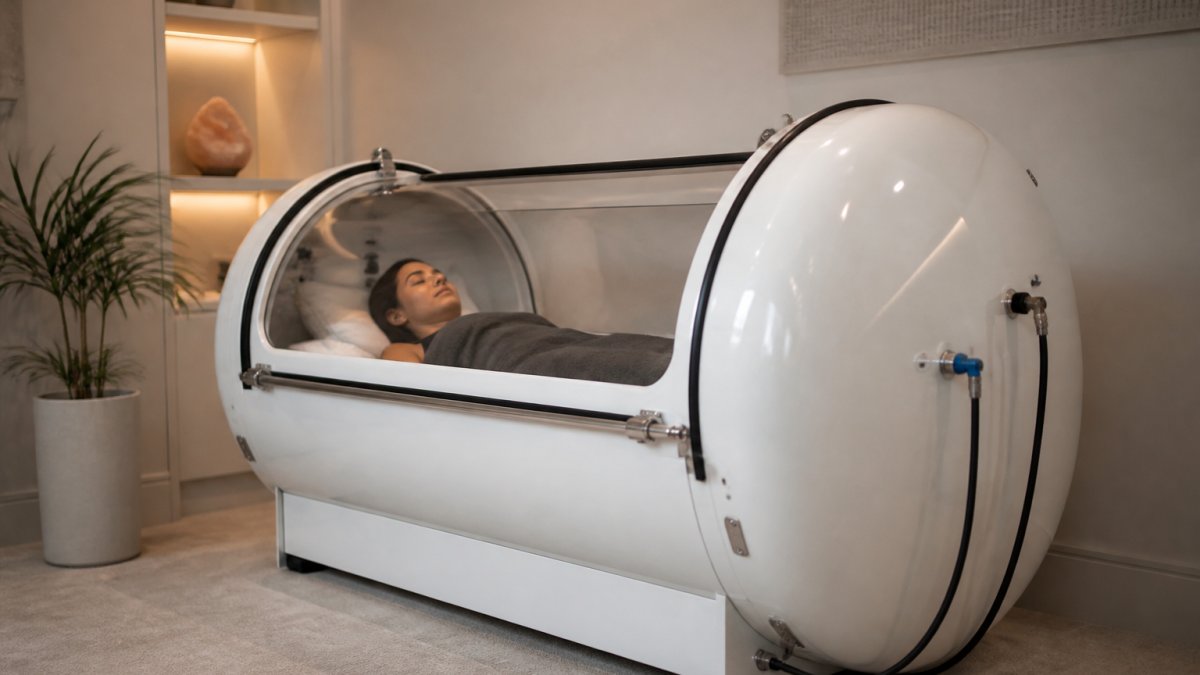
Hard-shell chambers use rigid steel or composite construction. They're more durable long-term, but maintenance costs tend to concentrate in different areas.
The inspection port and acrylic window require regular maintenance. Hard-shell chambers have smaller acrylic viewing areas compared to soft-shell designs, but these windows still need cleaning, inspection for cracks, and occasional replacement. Most hard-shell operators replace viewing windows every 7 to 10 years.
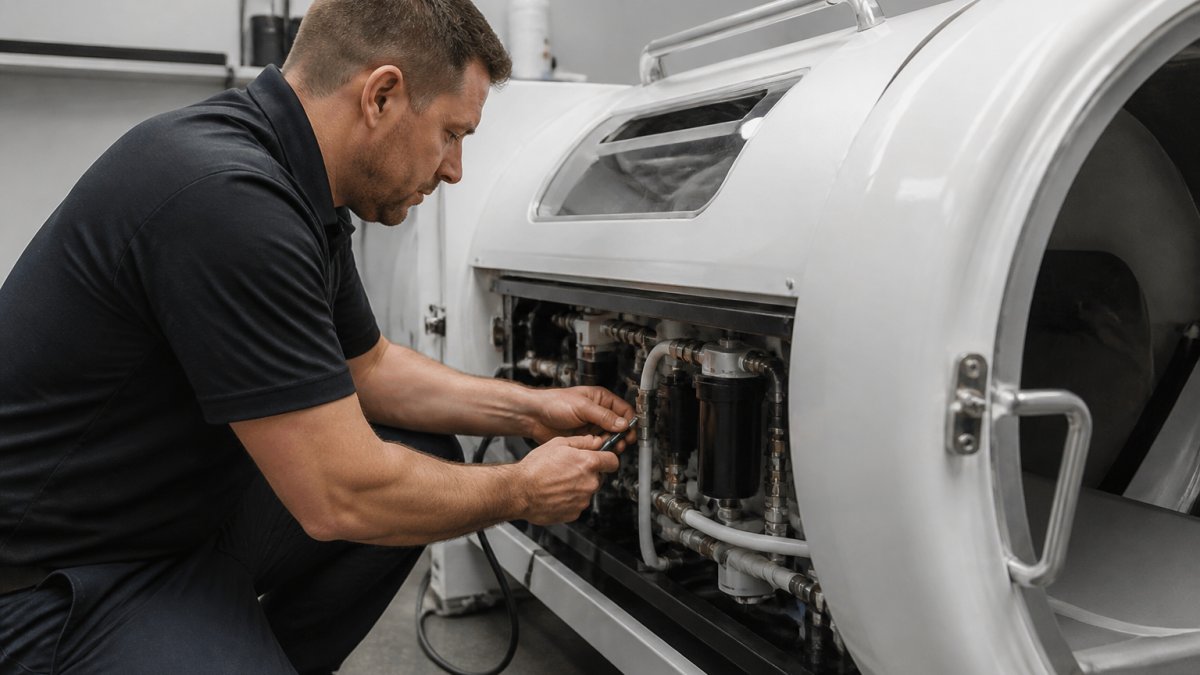
Internal component maintenance is more involved. Hard-shell chambers have more sophisticated internal systems, pressure relief valves, oxygen delivery mechanisms, and emergency exhaust systems. Service technicians need specialized training to work on these systems safely. Labor costs for hard-shell maintenance typically exceed soft-shell costs because the work is more technical.
Monoplace chambers (single-occupant hard-shell units) have simpler internal layouts than multiplace chambers (which accommodate multiple patients). Monoplace maintenance is generally more straightforward and less expensive per chamber, though facilities with multiple monoplace units face higher aggregate costs.
Annual Maintenance and Inspection Costs
Every commercial hyperbaric chamber requires routine annual inspections. These aren't optional, regulatory and safety standards require documented preventive maintenance.
An annual inspection typically includes pressure testing, seal integrity verification, acrylic inspection, electrical system review, and documentation of all findings. A service technician usually charges for a full day of work on an annual inspection, plus travel costs if your facility isn't in their immediate service area.
Many facilities face a choice: schedule inspections during slower business periods or pay premium rates for technicians to work around your operating schedule. Some operators build in a "standby day" cost, paying the technician's travel and minimum fee even if the inspection finishes faster than expected.
Routine maintenance beyond the annual inspection adds up quickly. Filter changes, seal replacements, and minor repairs between major service calls represent ongoing costs. A facility operating a chamber 5 days per week will typically need more frequent routine maintenance than one operating 2 days per week.
The frequency of service calls directly impacts your annual maintenance budget. A well-maintained chamber might need only the annual inspection plus one or two additional service visits. A chamber with heavier use or older equipment might require quarterly service calls.
Hyperbaric Chamber Maintenance Schedule and Service Frequency
Understanding your maintenance schedule helps you forecast costs and avoid unexpected downtime.
Most manufacturers recommend a preventive maintenance schedule based on operating hours rather than calendar time. A chamber used intensively (multiple sessions daily) will hit maintenance thresholds faster than one used sparingly. This is why use rates matter so much to your budget planning.
Filter replacement typically occurs every 500 to 1,000 operating hours. For a chamber running 10 sessions per week, that's roughly every 10 to 20 weeks. Oxygen supply line filters need similar attention. Consumable filter costs are relatively modest, but they add up over a year.
Seal and gasket replacement follows a similar pattern. Most seals are rated for 2,000 to 5,000 operating hours before replacement becomes necessary. A heavily used chamber might need seal replacement twice annually. A lightly used chamber might go 2 years between replacements.
The acrylic inspection schedule depends on chamber type and environmental conditions. Soft-shell acrylic typically needs professional inspection annually. Hard-shell viewing windows can often go longer between formal inspections, but any visible cloudiness, cracks, or material degradation requires immediate attention.
Service Contract vs. Pay-as-You-Go: Which Model Protects Your Budget
This decision fundamentally changes how you budget for hyperbaric chamber maintenance.
A service contract typically includes scheduled preventive maintenance, annual inspections, and parts replacement at a fixed annual cost. You know exactly what you'll spend each year. The trade-off is that you're paying for coverage whether you use it heavily or not.
Service contracts work best for facilities with predictable, moderate-to-heavy use. If you're running chambers consistently, the fixed cost provides budget certainty and often includes priority scheduling for emergency repairs.
Pay-as-you-go maintenance means you call a technician only when something breaks or when you decide routine service is needed. You pay per service call, per hour of labor, per part replaced. This model appeals to facilities with low use or those still building their hyperbaric business.
The hidden cost of pay-as-you-go is emergency repair pricing. When your chamber fails unexpectedly during operating hours, you'll pay premium rates to get a technician out quickly. Unplanned downtime also costs revenue, every hour your chamber is offline is an hour you can't generate session revenue.
Many facilities discover that pay-as-you-go becomes expensive once use reaches a certain threshold. At that point, switching to a service contract makes financial sense. The break-even point varies, but it typically occurs when you're operating chambers 4 or more days per week with consistent session volume.
Operating Costs and Total Cost of Ownership
Maintenance is only part of your operational expenses. Electricity consumption and oxygen supply represent ongoing costs that many facility managers underestimate.
A typical hard-shell hyperbaric chamber draws 8 to 15 kilowatts during operation, depending on the model and whether the compressor is running. Soft-shell chambers typically use less electricity but the difference is modest.
Oxygen supply costs depend on your chamber's oxygen delivery system and your local oxygen supplier pricing. Some chambers use medical-grade bottled oxygen. Others draw from central oxygen systems or use oxygen concentrators.
When calculating total cost of ownership, include:
- Annual maintenance and service costs
- Monthly electricity consumption
- Monthly oxygen supply costs
- Consumable parts (filters, seals, lubricants)
- Technician travel charges if your facility is outside major service areas
- Facility space costs (chambers require dedicated, climate-controlled space)
- Insurance and liability coverage
These numbers matter because they determine your break-even point for hyperbaric services. Your maintenance and operating costs consume 10 to 15 percent of that revenue, leaving room for facility overhead and profit.
Building a Commercial Maintenance Budget for Your Facility
Creating a realistic maintenance budget requires understanding your specific situation: chamber type, expected use, local service availability, and your risk tolerance for downtime.
Start by establishing your baseline operating hours. How many sessions per week do you plan to offer? How many chambers will you operate? A facility planning 5 sessions per week on a single chamber has different maintenance needs than one planning 20 sessions per week across two chambers.
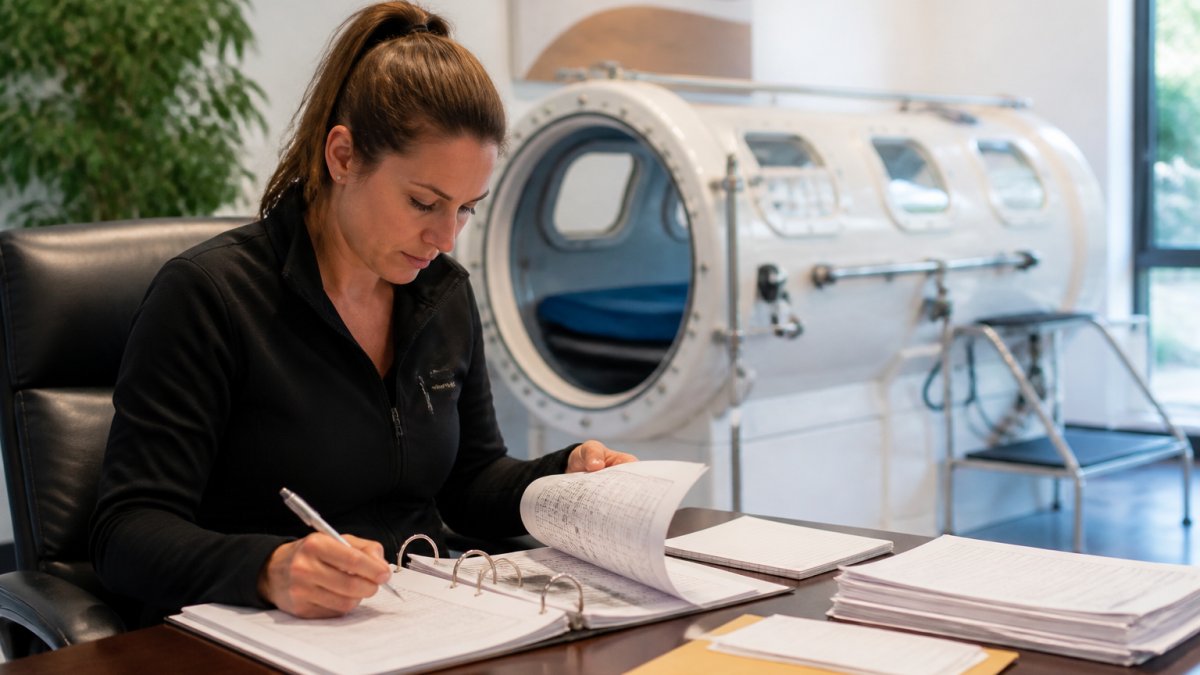
Next, determine your service model. If you're choosing a service contract, get quotes from at least three service providers. Ask specifically what's included: preventive maintenance only, or does it cover emergency repairs? What's the response time for urgent calls? Are there travel charges beyond the contract fee?
For pay-as-you-go budgeting, contact local service providers and ask about their typical charges: hourly labor rates, service call minimums, travel charges, and common parts costs. Build in a contingency, typically 20 to 30 percent above your expected costs, for unexpected repairs.
Create a line-item budget that separates:
- Scheduled preventive maintenance (annual inspection, filter changes, seal replacements)
- Estimated emergency repairs (reserve fund based on chamber age and condition)
- Electricity and oxygen supply
- Replacement parts inventory
Review this budget quarterly. Track actual maintenance spending against projections. If you're consistently over budget, your use is higher than planned or your equipment is aging faster than expected. Either situation suggests you need to adjust pricing, increase session frequency, or plan for equipment replacement sooner than originally anticipated.
Eternall Wellness helps facility managers build these budgets as part of the broader business case for adding hyperbaric services. The goal is ensuring your hyperbaric program generates profit, not just covers its own costs. Understanding maintenance expenses upfront makes that possible.
Commercial hyperbaric chamber maintenance is a real cost, but it's manageable when you understand what drives it and plan accordingly. The key is matching your maintenance approach to your use level and facility size. Whether you're a smaller gym adding hyperbaric therapy to increase member retention or a wellness clinic diversifying your service offerings, Eternall Wellness can help you evaluate the full financial picture, including maintenance costs, so you can confidently price your hyperbaric services and ensure strong ROI. Our team works with facility managers to model realistic operating budgets, identify the right chamber type for your space and client base, and structure your service contracts for maximum efficiency.
Frequently Asked Questions
What is typically included in hyperbaric chamber maintenance?
Standard maintenance includes annual acrylic inspections for cracks or cloudiness, seal and gasket replacements, filter changes, oxygen system checks, electrical component testing, and safety valve inspections. Preventive maintenance prevents costly repairs and ensures equipment meets regulatory safety standards. The scope varies by chamber type and manufacturer specifications. Most facilities pair routine service with emergency repair coverage under a service contract.
How often should a commercial hyperbaric chamber be serviced?
Most commercial chambers require annual inspections and routine service calls every 6-12 months, depending on usage frequency and chamber type. Hard-shell chambers typically need more frequent acrylic inspections than soft-shell models. High-volume clinics may schedule quarterly preventive maintenance to catch wear early. Your technician will recommend a hyperbaric chamber maintenance schedule based on your facility's treatment volume and equipment specifications.
Is a hyperbaric chamber service contract worth the cost compared to pay-as-you-go repairs?
Service contracts provide predictable annual costs and priority technician scheduling, reducing downtime. Pay-as-you-go works for facilities with low usage but exposes you to emergency repair costs. For commercial facilities treating multiple clients weekly, contracts protect revenue by minimizing unplanned outages.
What factors most affect hyperbaric chamber maintenance costs?
Chamber type (soft-shell vs. hard-shell), usage frequency, age of equipment, local technician availability, and travel distance all influence costs. Facilities in remote areas pay higher mileage and travel-day charges. Older chambers may need more frequent repairs. Commercial chambers in high-volume settings accumulate wear faster, increasing replacement-parts costs. Oxygen supply logistics and electricity consumption also vary by chamber size and facility location, affecting total operating expenses.