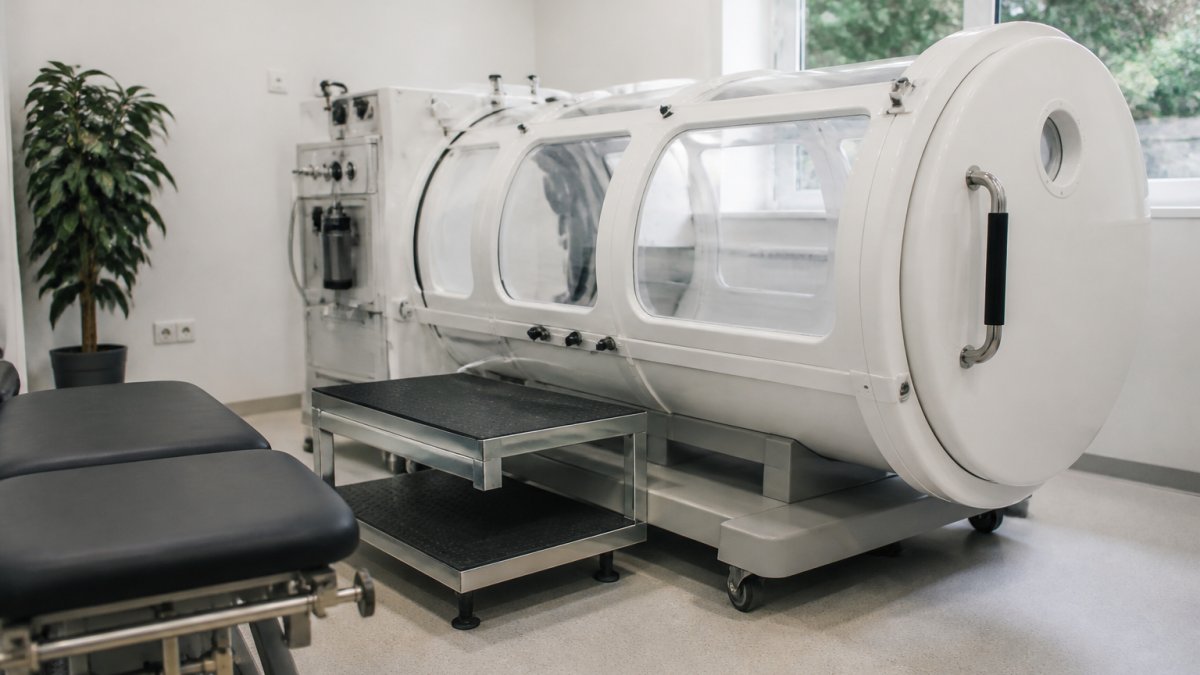
 ultimate-guide
Essential Equipment for a Hyperbaric Oxygen Therapy Clinic
Table of Contents
- What Every Hyperbaric Oxygen Therapy Clinic Needs: An Equipment Overview
- Monoplace vs. Multiplace: Choosing Your Chamber Type
- FDA Clearance for Hyperbaric Chambers: What It Means for Your Clinic
- NFPA 99 Standards for Hyperbaric Facilities: Safety and Compliance
- Patient Monitoring Systems for HBOT: Keeping Patients Safe
- The Cost of Commercial Hyperbaric Oxygen Therapy Equipment
- Space Planning and Digital Integration for Your Clinic
- Staff Training and Certification Requirements
- Frequently Asked Questions
Last Updated: September 29, 2026
What Every Hyperbaric Oxygen Therapy Clinic Needs: An Equipment Overview
Opening a hyperbaric oxygen therapy clinic means assembling interdependent equipment, not just buying a chamber. The essentials break into three layers: the chamber, the gas and monitoring systems, and the facility infrastructure. Miss any layer and you have an unusable room.
The Core Systems: Chamber, Gas Supply, and Patient Monitoring
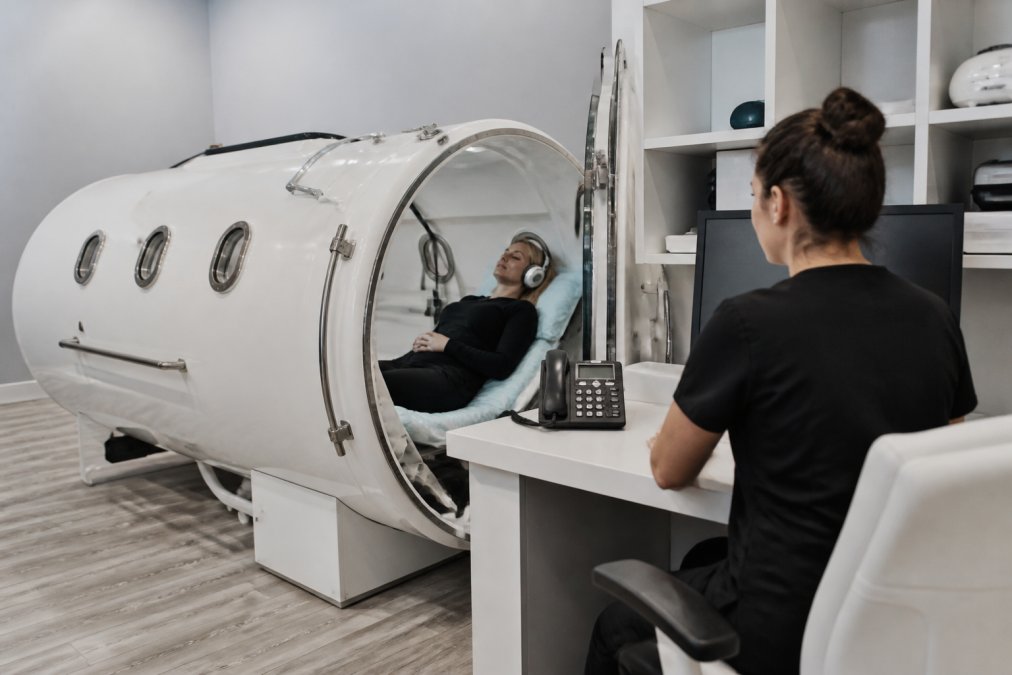
Three systems form the clinical core. The chamber creates the pressurized environment. The gas supply system delivers medical-grade oxygen at controlled flow and concentration. Patient monitoring tracks vitals and chamber atmosphere throughout the session.
The Supporting Infrastructure: Safety, Space, and Staffing
The supporting layer includes fire suppression, grounding and bonding, ventilation, and trained staff. These rarely appear in a sales brochure but determine whether your facility passes inspection and insures cleanly.
Monoplace vs. Multiplace: Choosing Your Chamber Type
The two chamber types serve different business models and shape your staffing, space, and throughput. Monoplace chambers hold one patient; multiplace chambers hold several, with patients breathing oxygen through masks or hoods while an attendant may be inside.
| Feature | Monoplace Chamber | Multiplace Chamber |
|---|---|---|
| Patients per session | One | Two or more |
| Attendant inside | No | Often yes |
| Space required | Smaller footprint | Larger, dedicated room |
| Staffing intensity | Lower | Higher |
| Best for | Lower-volume, flexible scheduling | Higher-volume clinics |
Monoplace Chambers: Single-Patient Efficiency
A monoplace chamber is a single-patient unit, typically a clear acrylic tube. The patient lies inside while the entire chamber is pressurized with oxygen, simplifying screening and letting you run sessions back to back.
Multiplace Chambers: Higher Volume, Shared Experience
Multiplace chambers treat multiple patients simultaneously, which improves throughput per staffed hour. Patients wear oxygen delivery systems while the chamber atmosphere stays pressurized. An attendant may remain inside to monitor and assist.
FDA Clearance for Hyperbaric Chambers: What It Means for Your Clinic
FDA clearance for hyperbaric chambers means a specific chamber model has been reviewed by the U.S. Food and Drug Administration for its cleared indications and may be legally marketed for those uses. It is not a blanket approval for every condition a clinic might want to treat.
NFPA 99 Standards for Hyperbaric Facilities: Safety and Compliance
NFPA 99, Health Care Facilities Code, is the consensus standard that governs hyperbaric facility design, construction, and operation in the United States. The National Fire Protection Association publishes it, and most state and local authorities having jurisdiction (AHJs) adopt it by reference into their facility permitting process. Chapter 14 of NFPA 99 is the section written specifically for hyperbaric facilities, and it is the document your inspector will work from.
What NFPA 99 Chapter 14 Actually Requires
The code classifies hyperbaric facilities by type and occupancy, then imposes requirements accordingly. For a typical clinic, the practical requirements fall into four buckets:
- Construction and finishes. Chamber rooms need noncombustible or limited-combustible construction, and interior finishes must meet flame spread and smoke development limits. Acoustic ceiling tiles and standard vinyl flooring often fail this test.
- Electrical classification. Receptacles, switches, and equipment inside or near the chamber must meet the code's requirements for the oxygen-enriched atmosphere. In many installations, this means limiting powered devices inside the chamber to those specifically listed for hyperbaric use.
- Gas and vacuum systems. Medical oxygen piping must be installed, labeled, and tested per the code, with zone valves and shut-offs accessible outside the chamber room. Bulk oxygen or manifold systems have their own siting rules.
- Fire protection. The code addresses detection, suppression, and egress for the chamber room, and it interacts with NFPA 101 (Life Safety Code) for exit requirements.
Fire Suppression and Ignition Source Control
Oxygen-enriched atmospheres accelerate combustion, so ignition source control is the foundation of chamber safety. NFPA 99 requires the chamber room be treated as a location where ignition sources are minimized and controlled.
Grounding, Bonding, and Gas Supply Requirements
Grounding and bonding prevent static discharge from becoming an ignition source. The chamber, the room's conductive surfaces, and the gas supply system must be bonded to a common ground, verifiable by an electrician familiar with the code.
Patient Monitoring Systems for HBOT: Keeping Patients Safe
Patient monitoring systems for HBOT track vital signs, oxygen concentration, and chamber atmosphere continuously. At minimum, expect pulse oximetry, blood pressure monitoring, and direct observation or camera feeds for monoplace units.
The Cost of Commercial Hyperbaric Oxygen Therapy Equipment
The cost of commercial hyperbaric oxygen therapy equipment varies widely by chamber type, capacity, and installed infrastructure. Pricing depends on configuration, room build-out, and gas system requirements, so request a quote based on your intended setup rather than budgeting from a generic number.
Equipment Lifecycle and ROI: What to Expect
Every chamber has a lifecycle: acquisition, installation, calibration, preventative maintenance, and eventual replacement. Budget for the full arc, not just the purchase.
Space Planning and Digital Integration for Your Clinic
Most equipment guides stop at the chamber. The two layers that decide whether your clinic scales, the physical room and the digital monitoring stack, are the ones competitors skip. A chamber that fits the room but not the workflow sits idle.
Room Dimensions, Clearance, and Patient Flow
A hyperbaric chamber is not equipment you drop into an empty room; it anchors a room designed around it. A monoplace chamber typically needs a dedicated room with clearance on all sides for patient transfer, emergency egress, and technician access to controls and life-support connections. Multiplace chambers need substantially more floor area plus an antechamber or control area where the attending technician operates from outside the pressurized space.
Plan for these zones in the room layout:
- Patient staging area. A place outside the chamber room where patients change into approved garments, remove prohibited items, and complete a pre-treatment screening checklist. This is a compliance requirement in practice, not a convenience.
- Technician control position. A seated position with direct sightline to the chamber and to the monitoring display. In monoplace setups this is often at the chamber's head; in multiplace setups it is a separate control console.
- Emergency egress path. The chamber room door must open outward or otherwise permit rapid exit, and the path must remain clear of stored equipment.
- Medical gas and utility access. Oxygen supply lines, vacuum, and electrical panels need service access that does not block patient flow.
Oxygen Piping, Ventilation, and Environmental Controls
Medical oxygen piping is installed by a licensed medical gas contractor and verified independently before service. It runs from the source, manifold, bulk tank, or cylinder bank, to the chamber, with zone valves and shut-offs outside the chamber room. Ventilation must prevent oxygen accumulation during a leak, and HVAC should keep patients and equipment within operating range.
Digital Integration and Patient Monitoring Systems
Modern clinics tie patient monitoring into a single digital layer rather than reading each device in isolation. The practical stack:
- Vital signs capture. Pulse oximetry, blood pressure, and, where clinically indicated, transcutaneous CO2 monitoring feed into a display the technician can see from the control position.
- Chamber atmosphere monitoring. Oxygen concentration, pressure, and temperature inside the chamber are logged continuously, with alarms tied to preset limits.
- EMR integration. Session data, pressure profile, duration, oxygen exposure, and any adverse events, is documented in the patient's electronic medical record. This supports both clinical continuity and the documentation trail regulators and payers expect.
- Remote or multi-room oversight. In facilities with more than one chamber, a centralized dashboard lets one technician oversee multiple sessions without leaving the control position.
Ergonomics and Staff Workflow
Ergonomics deserve more attention than they usually get. Staff who transfer patients and manage equipment all day need layouts that reduce lifting and reaching. A room designed around the workflow, not just the machine, lowers injury risk and speeds up each session, small choices like chamber height, console position, and staging distance compound over hundreds of sessions per year.
Staff Training and Certification Requirements
Staff training and certification requirements determine who can safely operate your equipment. A hyperbaric technician needs documented training in chamber operation, patient screening, emergency procedures, and your specific equipment.
Frequently Asked Questions
What equipment is needed for oxygen therapy?
A hyperbaric oxygen therapy clinic needs an FDA-cleared chamber (monoplace or multiplace), a medical-grade oxygen supply system, patient monitoring equipment (vital signs, oxygen concentration, and chamber atmosphere sensors), fire suppression and ventilation systems, and safety interlocks. You also need a trained hyperbaric technician and a supervising physician. The specific setup depends on your patient volume and the types of conditions you treat.
What regulatory requirements must hyperbaric chambers meet in the US?
Hyperbaric chambers must have FDA clearance for their intended use. Facilities must follow NFPA 99 (Health Care Facilities Code) for fire safety, ventilation, and gas supply. Check with your state health department for additional licensing or inspection requirements.
How much does hyperbaric oxygen therapy equipment cost?
The cost of commercial hyperbaric oxygen therapy equipment varies widely based on chamber type (monoplace vs. multiplace), capacity, and features. Monoplace chambers generally cost less than multiplace systems, but total investment includes installation, monitoring equipment, and safety systems. Financing options can help preserve capital. For current pricing, request a quote from a supplier like Eternall Wellness.
What safety equipment is mandatory for a commercial hyperbaric clinic?
Mandatory safety equipment includes a fire suppression system (often water deluge), emergency shut-off valves, oxygen concentration monitors, grounding and bonding systems, and patient monitoring equipment (blood pressure, oxygen saturation). You also need intercoms or visual monitoring for patient communication, and a chamber ventilation system to control oxygen levels. NFPA 99 outlines specific requirements for these systems.