 listicle
Hyperbaric Oxygen Chamber for Sale: 2026 Buyer's Guide
Table of Contents
- What Buying a Hyperbaric Oxygen Chamber Actually Involves
- Soft vs Hard Shell Hyperbaric Chamber: Which Type Fits Your Facility?
- FDA Regulations for Hyperbaric Chambers: What Buyers Must Know
- Hyperbaric Chamber Prescription Requirements Explained
- Choosing the Right Hyperbaric Oxygen Chamber for Sale for Your Business
- Pricing, Financing, Insurance, and Long-Term Maintenance Costs
- Conclusion
Last Updated: August 15, 2026
What Buying a Hyperbaric Oxygen Chamber Actually Involves
A hyperbaric oxygen chamber for sale is not a commodity purchase. It is a clinical and commercial decision that carries regulatory, operational, and financial weight that most buyers underestimate. This guide exists to correct those assumptions before they cost you.
Hyperbaric oxygen therapy (HBOT) is the medical use of oxygen at pressures greater than one atmosphere absolute (ATA) to increase oxygen saturation in tissues. At elevated pressure, oxygen dissolves more readily into plasma, reaching oxygen-deprived tissues. Therapeutic applications range from wound healing and post-surgical recovery to athletic performance optimization and wellness protocols.
The equipment category spans a wide spectrum: portable soft shell chambers for home or wellness studio use, and monoplace and multiplace hard shell clinical-grade units for medical environments. The gap between them is not just price. It is pressure range, oxygen delivery system design, FDA clearance status, and the protocols each unit can legally support.
Soft vs Hard Shell Hyperbaric Chamber: Which Type Fits Your Facility?
The soft vs hard shell distinction is the first critical choice, and most buyers choose based on price before understanding what they are trading off.
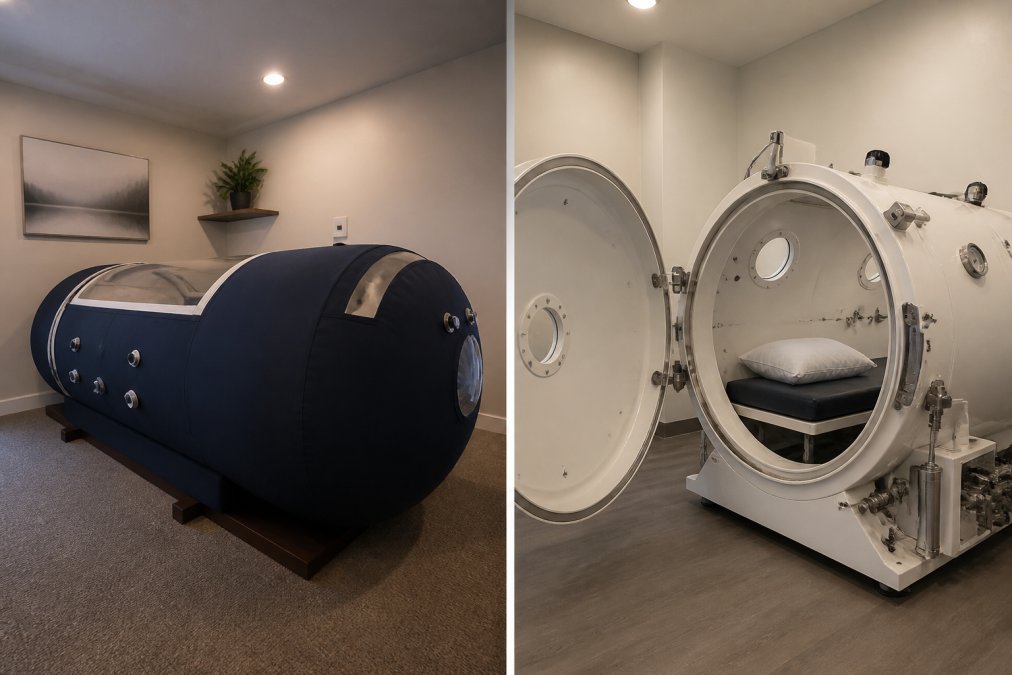
Soft Shell (Portable) Chambers
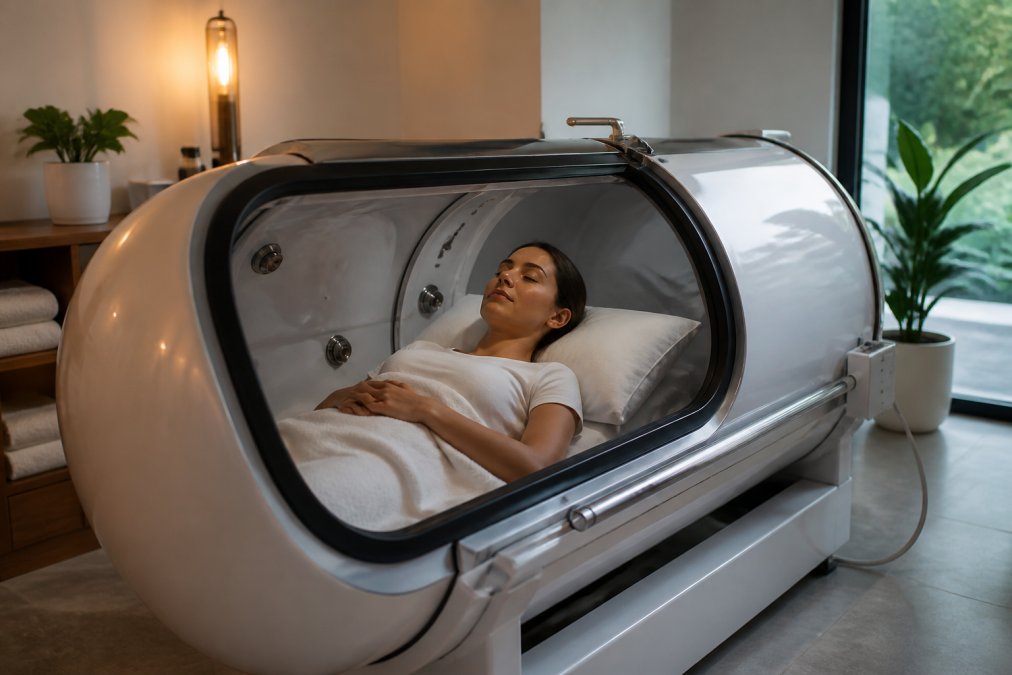
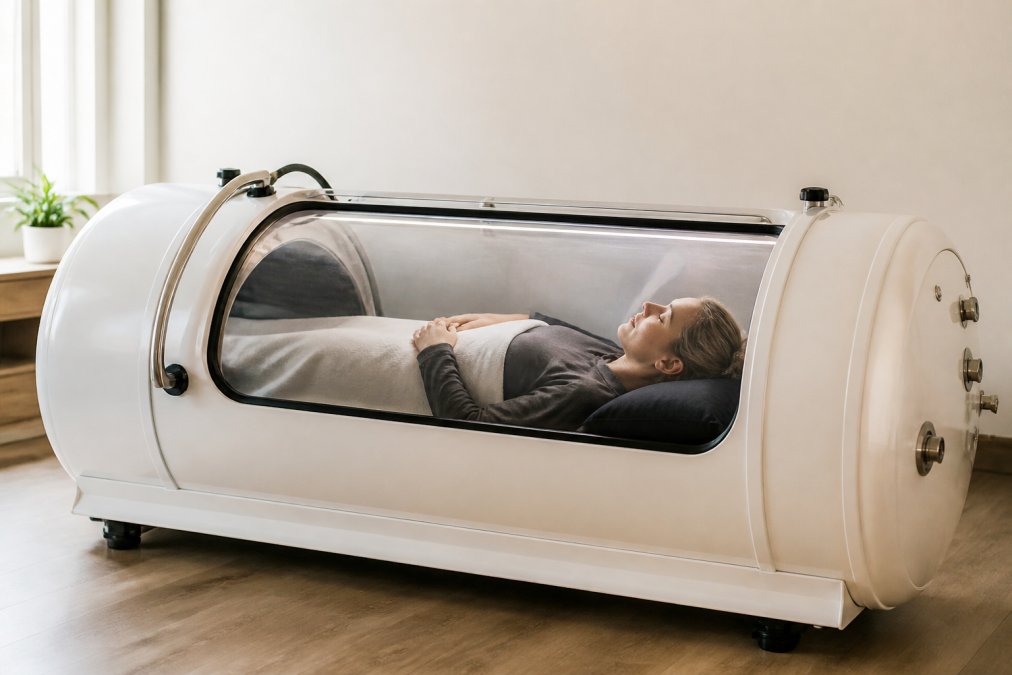
Soft shell chambers are constructed from flexible, reinforced fabric and operate at pressures of 1.3 to 1.5 ATA, using an oxygen concentrator to deliver enriched air rather than pure medical-grade oxygen.
Practical advantages include minimal structural modifications, quick setup, and portability. For wellness studios, recovery gyms, and chiropractic practices integrating HBOT as a supplementary service, portable chambers offer lower barrier to entry.
The limitations are significant. Soft shell chambers cannot achieve therapeutic pressures used in clinical HBOT protocols. Many peer-reviewed treatment protocols for conditions such as decompression sickness or non-healing wounds require 2.0 ATA or higher, which soft shell units cannot deliver.
Best for: Wellness studios, recovery gyms, chiropractic practices, and facilities positioning HBOT as a complementary wellness modality.
Hard Shell (Clinical-Grade) Chambers
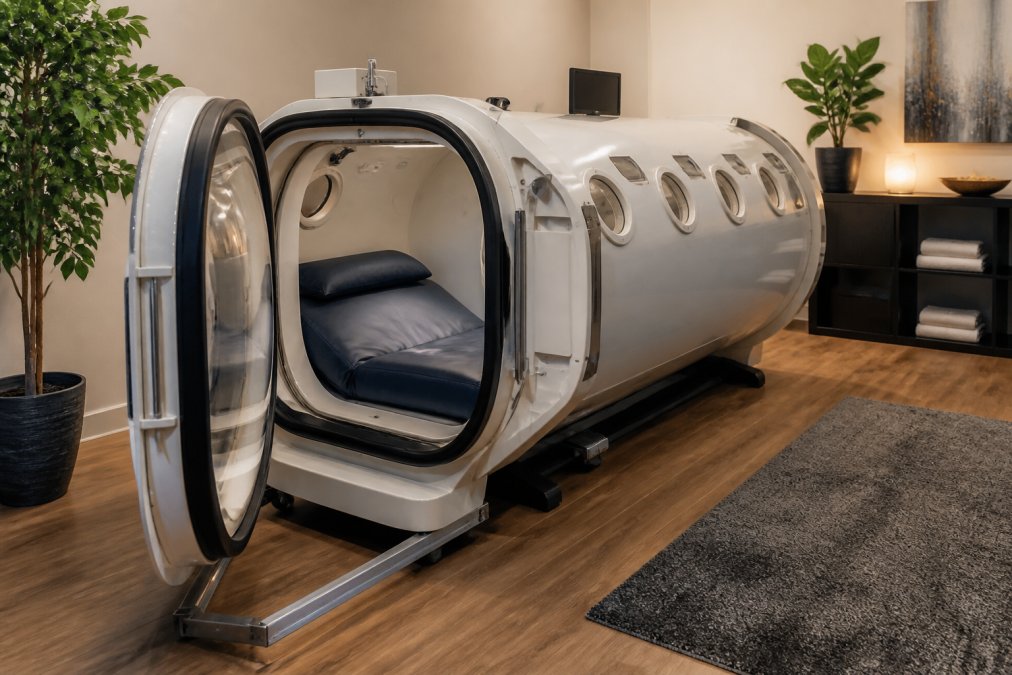
Hard shell chambers, including monoplace and multiplace configurations, are constructed from steel or acrylic and achieve pressures of 2.0 ATA and above. They use medical-grade oxygen delivery systems and meet rigorous safety standards.
For med spas and clinical wellness facilities, hard shell chambers support the full range of FDA-cleared HBOT indications and accommodate patients lying down for longer sessions. Durability over a decade of commercial use substantially exceeds soft shell alternatives.
Installation requires structural assessment, dedicated electrical supply, oxygen infrastructure, and fire suppression considerations given the oxygen-enriched environment.
| Feature | Soft Shell (Portable) | Hard Shell (Clinical-Grade) |
|---|---|---|
| Pressure range | 1.3 - 1.5 ATA | 2.0 - 3.0 ATA |
| Oxygen delivery | Concentrator-fed enriched air | Medical-grade oxygen system |
| Installation | Minimal, no structural work | Requires facility modifications |
| Patient position | Seated | Reclined or lying flat |
| FDA clearance | Limited | Broader cleared indications |
| Best for | Wellness, recovery studios | Med spas, clinical facilities |
FDA Regulations for Hyperbaric Chambers: What Buyers Must Know
Hyperbaric chambers are classified as Class II or Class III medical devices. Those intended for medical use require 510(k) clearance before marketing or sale for therapeutic purposes. A 510(k) clearance means the FDA has determined the device is substantially equivalent to a legally marketed predicate device.
If a supplier describes a chamber as FDA-cleared, ask for the 510(k) number and verify it through the FDA's device database. Chambers marketed for "wellness" rather than medical treatment occupy a different regulatory space, which also limits what clinical claims you can make.
The FDA's list of cleared indications for hyperbaric oxygen therapy currently includes 13 conditions, among them decompression sickness, arterial gas embolism, carbon monoxide poisoning, and diabetic foot ulcers. Wellness claims fall outside this list.
Hyperbaric Chamber Prescription Requirements Explained
Prescription requirements depend on how the chamber is being used, not simply on the equipment itself.
For FDA-cleared medical indications, HBOT must be prescribed by a licensed physician. A physician must evaluate the patient, determine that HBOT is medically indicated, and supervise the treatment protocol.
For wellness-oriented use of soft shell chambers at lower pressures, the regulatory picture is less prescriptive, but not unregulated. Many states have regulations governing medical device use in commercial settings. Some require a licensed healthcare provider on staff or on call.
Before purchasing, consult with a healthcare attorney or compliance consultant familiar with your state's regulations. The American College of Hyperbaric Medicine's clinical practice guidelines provide a baseline for understanding physician oversight in compliant HBOT operations.
If you are a gym or wellness studio adding soft shell chambers as a recovery modality, you are unlikely to need a prescription framework. If you are a med spa or clinic positioning HBOT as therapeutic, you almost certainly do.
Choosing the Right Hyperbaric Oxygen Chamber for Sale for Your Business
Choosing the right chamber requires matching equipment specifications to your facility's physical constraints, client population, and revenue model.
Chamber Dimensions, Pressure Range, and Patient Comfort
Chamber dimensions matter significantly. A monoplace hard shell chamber requires a dedicated room with at least 8 feet ceiling clearance and floor space for safe egress. Multiplace chambers require substantially more space. Portable soft shell units require room for the inflated chamber, oxygen concentrator, and monitoring staff.
Pressure range determines therapeutic scope. If your protocol requires 2.4 ATA, a soft shell unit rated to 1.5 ATA cannot support your intended use. Confirm the therapeutic pressure range your protocols require before evaluating any unit.
Patient comfort affects session completion rates and revenue. Recline capability, interior lighting, communication systems, and viewing windows influence whether clients complete sessions and rebook.
Home Safety Protocols and Commercial Installation
Commercial installation involves safety considerations beyond equipment setup. Oxygen-enriched environments are fire hazards. Hard shell chambers operating with medical-grade oxygen must comply with NFPA 99 Health Care Facilities Code standards for hyperbaric facilities, which governs oxygen storage, ventilation, electrical systems, and fire suppression.
For soft shell chambers using oxygen concentrators, fire risk is lower but not absent. Concentrators should be positioned in well-ventilated areas. No open flames, smoking, or flammable materials should be permitted within the treatment space. Staff training on emergency procedures is mandatory.
Home safety protocols for personal units should include written guidelines covering chamber placement, prohibition on synthetic fabrics, emergency valve operation, contraindications, and requirement to inform a physician before use.
Pricing, Financing, Insurance, and Long-Term Maintenance Costs
The total cost of ownership extends well beyond purchase price.

Soft shell portable chambers sit at the lower end of the market. Clinical-grade monoplace hard shell units command substantially higher prices. Multiplace chambers represent the highest investment tier. For current pricing on commercial systems Eternall Wellness carries, contact us directly for a quote tailored to your facility's specifications and session volume projections.
Facilities that finance a chamber and price sessions appropriately can structure the acquisition so monthly equipment payments are covered by realistic session volume before break-even. Eternall Wellness offers financing options designed so commercial facilities can preserve operating capital while adding a revenue-generating service.
For clinical HBOT delivered under physician supervision for an FDA-cleared indication, Medicare and many commercial insurers provide reimbursement. The Centers for Medicare and Medicaid Services coverage policy for hyperbaric oxygen therapy outlines covered conditions and documentation requirements. For wellness-oriented sessions, insurance reimbursement is generally unavailable.
Long-term maintenance costs are consistently underestimated. Key categories include oxygen concentrator maintenance, seal and valve inspection, acrylic window care, safety valve testing, and staff training. A realistic maintenance budget for a commercial hard shell chamber over five years is meaningful.
| Cost Category | Soft Shell (Portable) | Hard Shell (Clinical-Grade) |
|---|---|---|
| Purchase price range | Lower tier | Higher tier |
| Installation costs | Minimal | Significant |
| Oxygen supply ongoing | Concentrator maintenance | Medical oxygen contracts |
| Maintenance complexity | Lower | Higher |
| Insurance reimbursement | Generally not covered | Covered for cleared indications |
| Expected service life | 5-8 years typical | 10-15+ years with maintenance |
Buying a hyperbaric oxygen chamber is one of the most consequential equipment decisions a wellness or clinical facility will make. Regulatory complexity, installation requirements, and long-term maintenance obligations mean the wrong choice creates compounding problems. Eternall Wellness works with commercial facilities to evaluate which chamber fits not just the space, but the business: the revenue model, client base, staff capacity, and compliance environment. With financing options available and a portfolio designed for commercial environments, we help facilities add hyperbaric oxygen therapy as a service that generates consistent, scalable revenue. Get started with Eternall Wellness and build a hyperbaric program your clients will return for.
Frequently Asked Questions
Can anyone buy a hyperbaric oxygen chamber?
Yes, purchasing a hyperbaric oxygen chamber is legal for individuals and businesses. However, FDA-cleared hard shell chambers rated above 1.3 atmospheres absolute typically require a physician's prescription for medical use. Soft shell portable chambers sold for wellness use operate under different FDA classifications. Commercial buyers, gyms, med spas, and wellness clinics, should confirm their intended use case and consult legal or medical counsel before purchasing to ensure they meet applicable compliance requirements.
Do you need a prescription to buy a hyperbaric chamber?
A prescription is not required to purchase a hyperbaric oxygen chamber, but it is required to use one for FDA-recognized medical indications. Hard shell, medical-grade chambers intended for clinical HBOT treatments must be used under physician supervision. Soft shell chambers marketed for general wellness are often sold without a prescription requirement. Commercial facilities offering HBOT as a medical service should have a licensed physician involved in their protocols to remain compliant with FDA regulations.
What is the difference between soft shell and hard shell hyperbaric chambers?
Soft shell chambers are portable, inflatable units that typically reach 1.3 to 1.5 ATA (atmospheres absolute) and use an oxygen concentrator for oxygen delivery. Hard shell chambers are rigid, clinical-grade units that reach higher therapeutic pressure levels, often 1.5 to 3.0 ATA, and deliver higher oxygen purity. Hard shell monoplace or multiplace chambers are standard in medical settings. Soft shell chambers suit wellness centers and facilities new to hyperbaric oxygen therapy, while hard shell units serve facilities with clinical-grade treatment goals.
Are home hyperbaric chambers FDA-cleared?
Some portable hyperbaric chambers sold for home use carry FDA clearance as Class II medical devices, typically for mild pressure applications. However, FDA clearance does not mean FDA approval for all medical conditions, it means the device meets safety and performance standards for its intended use. Buyers should verify the specific FDA clearance status of any chamber before purchasing. For home use, following manufacturer safety protocols and consulting a physician is strongly recommended before beginning any hyperbaric oxygen therapy sessions.
How much does a hyperbaric oxygen chamber cost?
Hyperbaric oxygen chamber pricing varies significantly based on type, pressure rating, chamber dimensions, and whether the unit is portable or clinical-grade. Soft shell portable chambers are generally less expensive than hard shell clinical units. For commercial-grade systems suited to gyms, med spas, or wellness clinics, pricing depends on specifications, quantity, and delivery. Financing options are available through providers like Eternall Wellness, allowing facilities to preserve capital while adding HBOT as a revenue-generating service. Contact Eternall Wellness directly for current pricing and a custom quote.
This article was written using GrandRanker