 listicle
Why Wellness Centers Are Adding Hyperbaric Oxygen Therapy
Table of Contents
- The Business Case for Hyperbaric Oxygen Therapy in Wellness Centers
- HBOT for Wellness and Recovery: What It Actually Does
- Commercial Hyperbaric Chamber Requirements
- The ROI of Hyperbaric Oxygen Therapy for Clinics
- Integrating HBOT Into Your Existing Service Mix
- Common Mistakes and What to Ignore
- Conclusion
- Frequently Asked Questions
Last Updated: September 21, 2026
The Business Case for Hyperbaric Oxygen Therapy in Wellness Centers
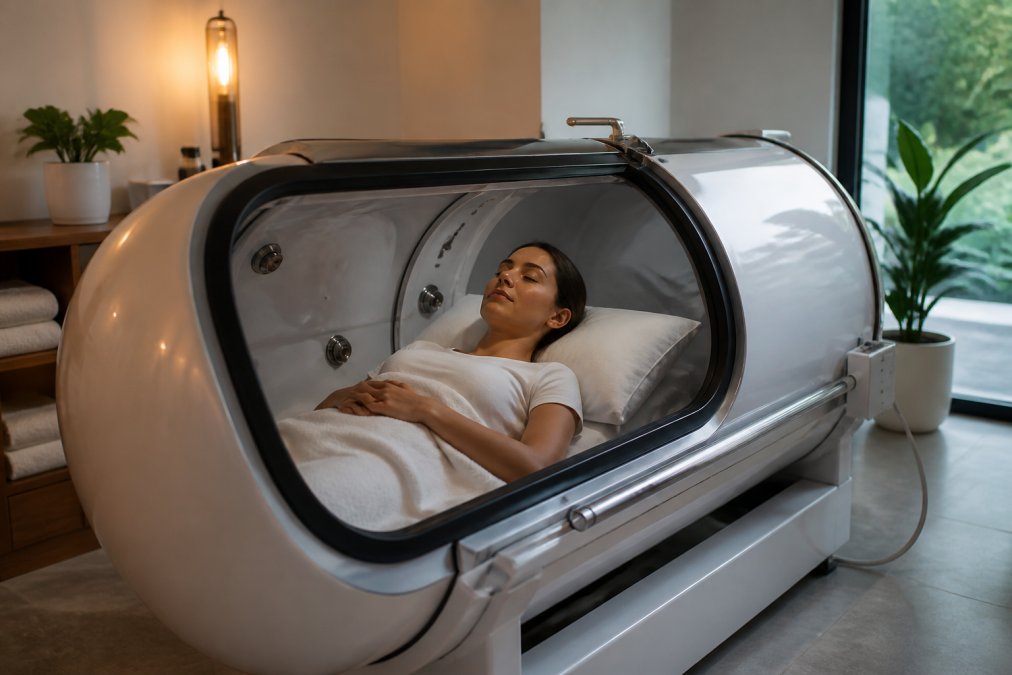
Hyperbaric oxygen therapy is a treatment that delivers 100% oxygen inside a pressurized chamber, raising oxygen levels in the blood and tissues well above normal (A General Overview on the Hyperbaric Oxygen Therapy). Once confined to hospitals, it has moved into commercial recovery suites, and that shift is driving the question of why wellness centers are adding hyperbaric oxygen therapy to their service menus. At Eternall Wellness, we work with gyms, med spas, and clinics that want a premium service with recurring revenue rather than a one-time equipment purchase. The logic is straightforward: members already pay for recovery, and a pressurized chamber gives them a reason to come back weekly.

The demand is real but uneven. Facilities in competitive metro markets report that recovery services help differentiate them from standard gyms and spas. The catch is that a chamber is only as good as its use rate.
HBOT for Wellness and Recovery: What It Actually Does
HBOT for wellness and recovery centers on one mechanism: hyperoxia, or elevated oxygen concentration in the tissues. That single effect drives most of the benefits clients ask about. Understanding it helps you explain the service honestly instead of overselling it.
How Hyperbaric Oxygen Therapy Works
The chamber raises atmospheric pressure, which lets the lungs absorb far more oxygen than they would at normal pressure. That extra oxygen travels through the bloodstream and reaches tissue that may be poorly supplied. According to the Undersea and Hyperbaric Medical Society overview of hyperbaric medicine, the therapy is used clinically for wound healing and several other conditions. In a wellness setting, the same mechanism is marketed for recovery, inflammation reduction, and general rejuvenation.
Conditions and Goals It Supports
Clients typically seek HBOT for recovery time, inflammation reduction, and physical performance. Some ask about cognitive performance or anti-aging. Be careful here: clinical efficacy is well documented for specific medical conditions, while wellness claims are broader and less proven. Position the service as recovery support, not a cure.
Commercial Hyperbaric Chamber Requirements
Commercial hyperbaric chamber requirements vary by unit type, but most facilities need to plan around space, power, safety, maintenance, and compliance before they sign a lease. Skipping this step is the most common and most expensive mistake. This is also the area where most published guides stop short, they cover the patient experience but not the operational reality of running a chamber as a commercial service.
Space, Power, and Installation
A single-person chamber needs a dedicated room with adequate floor space, ventilation, and a reliable power supply. Hard-shell units are heavier and need structural review; soft-sided chambers are lighter but still require clearance for the entry and exit path. Confirm ceiling height and door width before delivery. Installation typically takes a scheduled window with the manufacturer, so plan for downtime.
Safety Protocols and Staff Training
Safety protocols are non-negotiable. Staff need training on pressure settings, oxygen handling, and emergency depressurization. Contraindications matter too: certain lung conditions and recent ear surgery can rule out treatment. Screen every client before their first session.
- Pre-session screening and contraindication review
- Chamber operation and pressure settings
- Oxygen handling and fire safety
- Emergency depressurization and client extraction
- Cleaning and turnaround between sessions
Maintenance and Regulatory Compliance
This is the part of the business case that rarely makes it into marketing copy, and it is where wellness centers get into trouble. Chambers require scheduled maintenance, seals, gauges, pressure systems, and oxygen delivery components all have service intervals set by the manufacturer. Miss them and you risk both safety and warranty coverage.
- Whether your state health department or another agency regulates hyperbaric chambers in a commercial setting
- Whether a licensed medical professional must be on site or on call during sessions
- What documentation and incident reporting your facility must maintain
- What your liability insurance carrier requires for coverage
The ROI of Hyperbaric Oxygen Therapy for Clinics
The ROI of hyperbaric oxygen therapy for clinics depends on three levers: price per session, sessions per week, and your true cost of operation. Get those right and the math is favorable. Get them wrong and the equipment drains cash. Most operators who fail do so because they model revenue and forget the recurring costs that sit underneath it.
The Three Levers, In Order of Impact
Use rate is the dominant lever. A chamber booked 20 hours a week tells a very different financial story than one booked 4 hours a week. Before you buy, estimate realistic weekly booked hours based on your existing member count, not on your best-case marketing plan. A common pattern is that facilities overestimate first-quarter use by a wide margin and then spend the next two quarters catching up.
- Chamber maintenance and scheduled service intervals
- Oxygen supply and delivery
- Staff time for screening, monitoring, and cleaning between sessions
- Insurance and any required certifications
- Electricity, ventilation, and room overhead
Pricing Models and Use
Most facilities use one of three models. Compare them before you commit:
| Model | How It Works | Best For |
|---|---|---|
| Per-session fee | Client pays each visit | Drop-in and trial clients |
| Monthly membership | Flat fee for set sessions | Retention and predictable revenue |
| Bundled package | Recovery added to existing plan | Gyms and med spas with members |
Financing and Payback Timelines
Financing lets you preserve capital while the service builds its own revenue. Payback timelines depend on use and your pricing, so run the numbers for your specific facility. Eternall Wellness offers financing options and helps clients model ROI, use, and pricing before purchase.
Integrating HBOT Into Your Existing Service Mix
Integration is where most operators either win or stall. A chamber bolted onto an unrelated menu confuses clients. A chamber positioned as the anchor of a recovery program sells itself.
Start by mapping where HBOT fits:
- Pair it with red light therapy and thermal recovery for a multi-modality package
- Offer it as a post-workout recovery add-on for gym members
- Position it as a premium upgrade for med spa clients between treatments
- Use idle treatment rooms for chamber sessions to lift room use
Common Mistakes and What to Ignore
Most failures trace back to a handful of avoidable errors. Watch for these:
- Buying on price alone and ignoring service and support
- Skipping the space and power assessment before delivery
- Launching without a screening protocol or trained staff
- Pricing too high for the local market and killing use
- Treating the chamber as a novelty instead of a recurring service
Conclusion
Adding a recovery service is a real operational commitment, not a quick add-on. Eternall Wellness helps gyms, spas, med spas, and clinics evaluate hyperbaric chambers as revenue-generating services, with financing options that preserve capital and a focus on ROI, use, and pricing. Get started with Eternall Wellness and build a recovery program that generates revenue, adds new clients, and increases retention.
Frequently Asked Questions
What is the difference between mild hyperbaric therapy and clinical HBOT?
Mild hyperbaric therapy uses lower pressures, typically around 1.3 to 1.5 atmospheres, and is often offered in wellness settings for general recovery and rejuvenation. Clinical HBOT uses higher pressures, usually 2.0 to 3.0 atmospheres, with 100% oxygen and is prescribed for specific medical conditions under a physician's supervision. Wellness centers generally offer mild therapy, while clinical HBOT requires medical oversight and different regulatory compliance. Understanding this distinction helps you choose the right equipment and set appropriate client expectations.
What are the primary safety protocols for operating hyperbaric chambers in commercial wellness centers?
Key safety protocols include regular chamber maintenance and inspection, staff training on pressure changes and emergency procedures, screening clients for contraindications like certain lung conditions or ear problems, and maintaining a fire-safe environment since oxygen accelerates combustion. You also need clear operating procedures, client consent forms, and documentation of each session. Many centers consult with a medical director to establish these protocols. Following manufacturer guidelines and applicable safety standards is essential for commercial hyperbaric chamber requirements.
How does adding HBOT impact client retention and recurring revenue?
HBOT typically works best as part of a membership or package model. Clients often commit to multiple sessions for recovery or wellness goals, which creates predictable recurring revenue. Because sessions are relaxing and clients see benefits like improved recovery time, they tend to return regularly. Pairing HBOT with other services like red light therapy or thermal recovery can increase average client value. Many wellness centers report that offering a differentiated service like HBOT helps attract new clients and gives existing members a reason to stay.
What is the downside of hyperbaric oxygen therapy for a wellness center?
The main downsides are upfront equipment cost, space requirements, and the need for staff training and safety compliance. Chambers take up floor space and require proper installation. Some clients may experience ear discomfort or claustrophobia. Utilization can be slow at first, so marketing and client education are important. If you offer mild therapy, you must be clear that it is not a medical treatment. Financing options can help manage capital outlay, but you should evaluate demand in your specific market before committing.