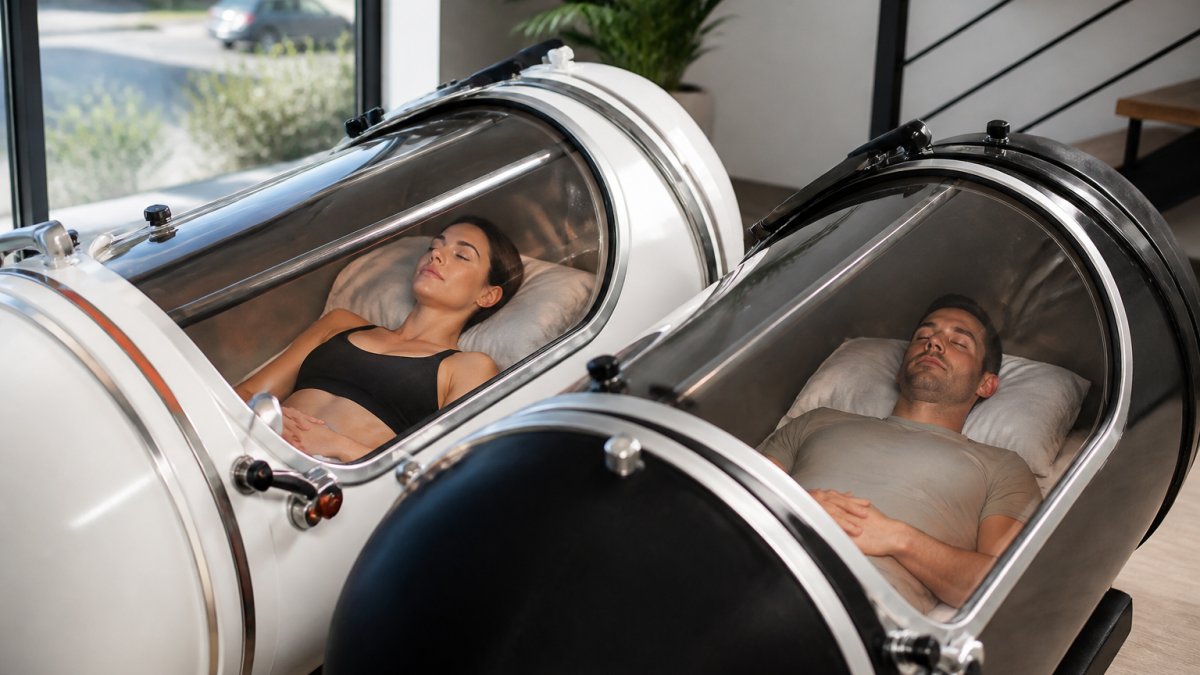
 comparison
Soft Shell vs Hard Shell Chamber Performance Compared
Table of Contents
- What Separates Soft Shell and Hard Shell Chamber Performance
- Hyperbaric Chamber Pressure Ratings ATA Explained
- Oxygen Concentration and Delivery Differences
- FDA Hyperbaric Chamber Regulations and Medical Device Classification
- Safety Engineering, Setup, and Space Requirements
- Maintenance, Durability, and Long-Term Ownership Costs
- ROI of Hyperbaric Therapy for Med Spas and Wellness Clinics
- Frequently Asked Questions
Last Updated: September 28, 2026
What Separates Soft Shell and Hard Shell Chamber Performance
Comparing soft shell and hard shell chamber performance starts with one structural fact: the chamber walls determine how much pressure the unit can hold, and pressure is what drives every therapeutic effect that follows. Soft shell chambers use flexible TPU fabric sealed with zippers and inflated by an external compressor. Hard shell chambers use rigid aluminum or stainless steel with a fixed pressure vessel and a sealed door.
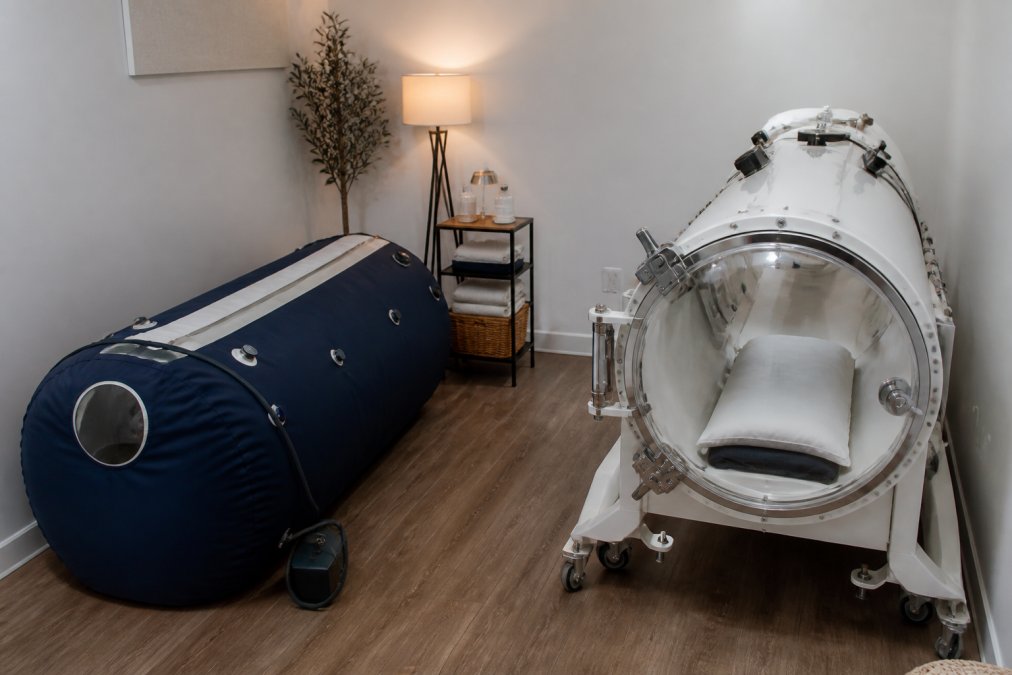
Soft Shell Construction: TPU and Zipper Seals
TPU construction keeps soft shell chambers light and foldable. Thermal welding bonds the seams, and a zipper or overlapping flap forms the chamber seal. The trade-off is pressure stability: because the walls flex, the compressor must run continuously to hold the internal pressure differential. Many operators find these units suit mild hyperbaric sessions and wellness applications rather than clinical protocols.
Hard Shell Construction: Rigid Aluminum and Stainless Steel
Rigid aluminum and stainless steel vessels hold pressure without constant compressor work. A hard shell chamber reaches its set pressure and stays there, which matters for oxygen saturation consistency across a full session. The cost is weight, footprint, and installation requirements. These units behave like fixed medical equipment, not portable devices.
Hyperbaric Chamber Pressure Ratings ATA Explained
ATA (atmospheres absolute) is the unit that describes total pressure inside a chamber, including the ambient air pressure at sea level. A rating of 1.0 ATA equals normal atmospheric pressure; anything above 1.0 ATA is therapeutic pressure. This is the number to check first when evaluating any chamber, because it sets the ceiling on what the unit can physically deliver.
Mild Hyperbaric vs Clinical Grade Pressure
Mild hyperbaric chambers typically operate in a low range above 1.0 ATA, which is why they are marketed for wellness and recovery rather than medical treatment. Clinical grade chambers reach higher therapeutic pressures and are regulated as medical devices. The gap between the two is not marketing language; it is a structural limit built into the chamber walls. For a fuller picture of how these systems fit into a facility, see FDA guidance on hyperbaric oxygen therapy devices.
| Feature | Soft Shell | Hard Shell |
|---|---|---|
| Construction | TPU fabric, zipper seal | Rigid aluminum or stainless steel |
| Pressure ceiling | Mild hyperbaric range | Clinical grade range |
| Pressure stability | Compressor-dependent | Fixed vessel |
| Portability | Foldable, movable | Fixed installation |
| Maintenance load | Higher (seals, compressor) | Lower (vessel, door) |
| Best for | Wellness, recovery studios | Clinical, med spa protocols |
Oxygen Concentration and Delivery Differences
Oxygen concentration and delivery differ in two separate ways: how the gas reaches the patient, and how much of it the body actually absorbs at a given pressure. Most guides collapse these into one, which is why the numbers get confusing.
Two Delivery Models
- Soft shell, ambient-air design. The compressor pulls in room air (roughly 21% oxygen at sea level) and pressurizes the whole chamber. The occupant breathes the same air they would in the room, just at higher pressure. Some soft shell units add a nasal cannula or a hood fed by an external oxygen concentrator, which raises the fraction of inspired oxygen (FiO2) but does not change the chamber's structural pressure ceiling.
- Hard shell, dedicated oxygen feed. A rigid vessel can be plumbed with a built-in breathing system (BIBS) mask or hood that delivers near-100% oxygen to the patient while the chamber itself stays at pressure. This is the configuration used in clinical hyperbaric oxygen therapy (HBOT), because it separates chamber pressure from the gas the patient breathes.
Why Pressure, Not Just Percentage, Drives Absorption
Oxygen delivery to tissue depends on the partial pressure of oxygen in arterial blood (PaO2), not on the percentage printed on the gas cylinder. At sea level on room air, PaO2 sits around 90-100 mmHg. Breathing near-100% oxygen at 2.0-2.5 ATA can push PaO2 into the 1,200-1,500 mmHg range, which is the range where dissolved oxygen in plasma becomes meaningful for wound healing and other clinical endpoints.
What This Means in Practice
- A soft shell chamber at 1.3 ATA on room air delivers a mild hyperbaric exposure. It is marketed for recovery, jet lag, and general wellness, and the physiological effect is correspondingly mild.
- A hard shell chamber at 2.0+ ATA with a BIBS mask delivers a clinical-grade exposure. It is the configuration referenced in undersea and hyperbaric medicine practice and in FDA-cleared indications.
- A soft shell chamber with an added oxygen concentrator narrows the FiO2 gap but not the pressure gap. Pressure remains the binding constraint.
Oxygen Saturation vs. Oxygen Tension
FDA Hyperbaric Chamber Regulations and Medical Device Classification
The FDA regulates hyperbaric chambers based on their intended use and pressure capability. Units marketed for medical treatment of specific conditions fall under medical device classification and require clearance; units marketed for wellness and mild hyperbaric use sit in a different category. This distinction matters for any clinic adding a chamber, because it affects how you can advertise the service and what claims you can make.
Safety Engineering, Setup, and Space Requirements
Safety engineering scales with pressure, and so does the room the chamber lives in. This is the section most buyer's guides skip, and it is the one that most often derails a home or clinic installation after the purchase is already made.
Safety Systems by Design
- Hard shell vessels typically include an ASME-rated pressure vessel, a manual and automatic pressure relief valve, an internal and external pressure gauge, an emergency decompression valve, an intercom or communication port, and fire-suppression provisions. Viewing ports are built into the vessel wall. Because the vessel is rigid, a loss of power does not cause an immediate pressure drop, the chamber holds until it is deliberately vented.
- Soft shell chambers rely on the compressor to maintain pressure and on the zipper or flap seal to contain it. A power interruption or compressor failure causes the chamber to deflate. Most units include a backup deflation valve and a pressure-relief valve, but the safety envelope is narrower and operator attentiveness matters more.
Electrical Requirements
- Soft shell units generally run on a standard 110-120V household circuit. Compressor draw varies by model, but a dedicated 15-20 amp circuit is a common recommendation so the unit is not sharing a breaker with other equipment.
- Hard shell chambers with integrated oxygen systems, climate control, and monitoring often need a dedicated 220-240V circuit and, in some installations, a licensed electrician to run it. Confirm the nameplate rating before signing a lease.
Ventilation and Climate
Both designs generate heat. A soft shell chamber with the compressor running continuously can raise the temperature inside the enclosure noticeably over a 60-minute session, and the room itself needs airflow to dissipate compressor heat. A hard shell chamber with a BIBS mask requires attention to oxygen enrichment in the room, oxygen that vents from the mask raises the room's FiO2, which is a fire risk.
Space and Floor Loading
- Soft shell: roughly the footprint of a treatment table, plus clearance for the compressor and for the occupant to enter and exit. A typical deflated unit stores in a closet or against a wall.
- Hard shell: a dedicated room with door swing clearance, seating for an attendant, monitoring space, and often a small anteroom or control area. Ceiling height matters for the door and for any overhead plumbing.
- Floor loading: a rigid multi-place chamber is heavy enough that a structural review is a standard step before installation, particularly on upper floors or in older buildings. A single-place soft shell unit does not normally require one.
Pre-Session Inspection Routine
- Confirm the pressure relief valve moves freely.
- Inspect the zipper or door seal for debris, tears, or stiffness.
- Check the compressor intake filter and confirm run-hour log is current.
- Verify the intercom or communication method works from inside.
- Confirm no prohibited items (lighters, oil-based products, electronics with lithium batteries) enter the chamber.
Oxygen-enriched environments change fire behavior. A spark that would be trivial in room air can escalate quickly at elevated FiO2. Treat the treatment room as an oxygen-enriched space, not a normal room, and train every operator on that distinction.
Maintenance, Durability, and Long-Term Ownership Costs
Long-term ownership costs are where the two designs diverge most, and most buyer's guides skip this entirely. Soft shell chambers wear at the seams, zippers, and seals, and the compressor is a moving part that needs servicing. Hard shell vessels have fewer wear points but higher upfront and installation costs. Chamber durability favors rigid construction over a multi-year horizon; chamber maintenance favors soft shell on parts cost but not on frequency. Budget for the full ownership picture, not the sticker.
ROI of Hyperbaric Therapy for Med Spas and Wellness Clinics
The ROI of hyperbaric therapy for med spas and wellness clinics depends less on the chamber type than on use. A chamber that sits idle loses money regardless of how it is built. The stronger play is pairing the chamber with existing services so it fills otherwise idle treatment rooms and gives members a reason to return. Eternall Wellness helps facilities model use, pricing strategy, and client demand before committing, and offers financing options that preserve capital while the service ramps up.
Frequently Asked Questions
What is the primary difference in pressure capacity between soft and hard shell chambers?
Soft shell chambers typically operate at 1.3 to 1.5 ATA, while hard shell chambers reach 2.0 to 3.0 ATA and higher. That gap matters because higher pressure drives more oxygen into tissues. Soft shell chambers suit mild hyperbaric wellness sessions, while hard shell units support clinical grade protocols. For a commercial facility, the pressure rating you need depends on whether you are offering recovery and wellness or adjunctive therapy.
Are soft shell hyperbaric chambers FDA-cleared for the same uses as hard shell chambers?
No. The FDA classifies hard shell chambers as Class II medical devices cleared for specific indications such as wound healing and decompression sickness. Soft shell chambers are generally regulated as Class II devices cleared only for altitude sickness, not for the broader clinical indications hard shell chambers cover. Before buying either type, confirm the specific clearance and how it matches the services you plan to offer.
Which type of hyperbaric chamber is better suited for a commercial wellness clinic?
It depends on your service model. Soft shell chambers cost less, need less floor space, and work well for high-volume mild hyperbaric sessions in gyms and recovery studios. Hard shell chambers deliver higher ATA for clinical applications and command higher per-session pricing, which suits med spas and clinics with trained staff. Many facilities start with soft shell and add hard shell as demand grows.
How does oxygen concentration differ between soft and hard shell hyperbaric systems?
Soft shell chambers typically compress ambient air, so you breathe roughly 21% oxygen at increased pressure. Hard shell chambers usually pair with a mask or hood delivering 100% concentrated oxygen. The combination of higher ATA and concentrated oxygen is what produces the therapeutic effects studied in clinical HBOT. Soft shell sessions rely mainly on pressure alone, which is why they are positioned as wellness rather than treatment.