 Comparison
Best Wellness Technology for Med Spa Revenue Growth
Last Updated: October 23, 2026
Quick Summary
The best wellness technology for med spa revenue growth is equipment that fills idle treatment rooms with bookable, repeatable services, such as red light therapy, hyperbaric chambers, thermal recovery, compression wear, and wellness testing. Judge each system on billable sessions per week, total cost to own, and workflow fit, because equipment alone does not generate med spa revenue.
- Red light therapy is the easiest entry point, with lower capital outlay and fast room turnover.
- Hyperbaric chambers suit premium clientele and work best anchoring a membership tier.
- Model total first-year cost divided by expected sessions to get a real cost per session.
- Run break-even at conservative, expected, and optimistic utilization levels before buying.
- Tiered memberships, post-treatment bundles, and milestone rebooking pair with technology to lift retention.
Table of Contents
- Why Wellness Technology Drives Med Spa Revenue Growth
- A Side-by-Side Comparison of Wellness Technologies
- Making a Smart Med Spa Technology Investment
- Red Light Therapy for Med Spas: Revenue and Retention Potential
- Adding a Hyperbaric Chamber for Med Spa Revenue Diversification
- Med Spa Client Retention Strategies That Pair With Technology
- Conclusion
- Frequently Asked Questions
Why Wellness Technology Drives Med Spa Revenue Growth
The best wellness technology for med spa revenue growth turns idle treatment rooms into bookable, repeatable services. At Eternall Wellness, we see the same pattern across facilities: the constraint is rarely demand.
Most med spas already have a full injectables schedule and a quiet Tuesday afternoon. Recovery and light-based modalities fill that gap.
The catch: equipment is not revenue by itself. A device sitting in a back room costs money every month.
A Side-by-Side Comparison of Wellness Technologies
Most med spa owners evaluating wellness technology are handed a brochure, not a decision framework. The comparison below is built around the four variables that determine whether a system pays for itself: billable sessions per week, revenue per session, cost to own, and the operational burden on staff. No single category wins on every axis, which is why the right choice depends on your room count, client mix, and price positioning.
| Technology | Typical Session Time | Billable Sessions per Room per Week | Staff Involvement | Space and Build-Out | Revenue Model | Primary Revenue Role |
|---|---|---|---|---|---|---|
| Red light therapy | 10-20 minutes | High (panel-based, multiple clients per hour) | Low, setup and monitoring | Small footprint, standard 120V circuit on most commercial panels | Per session, package, or membership add-on | Volume and retention |
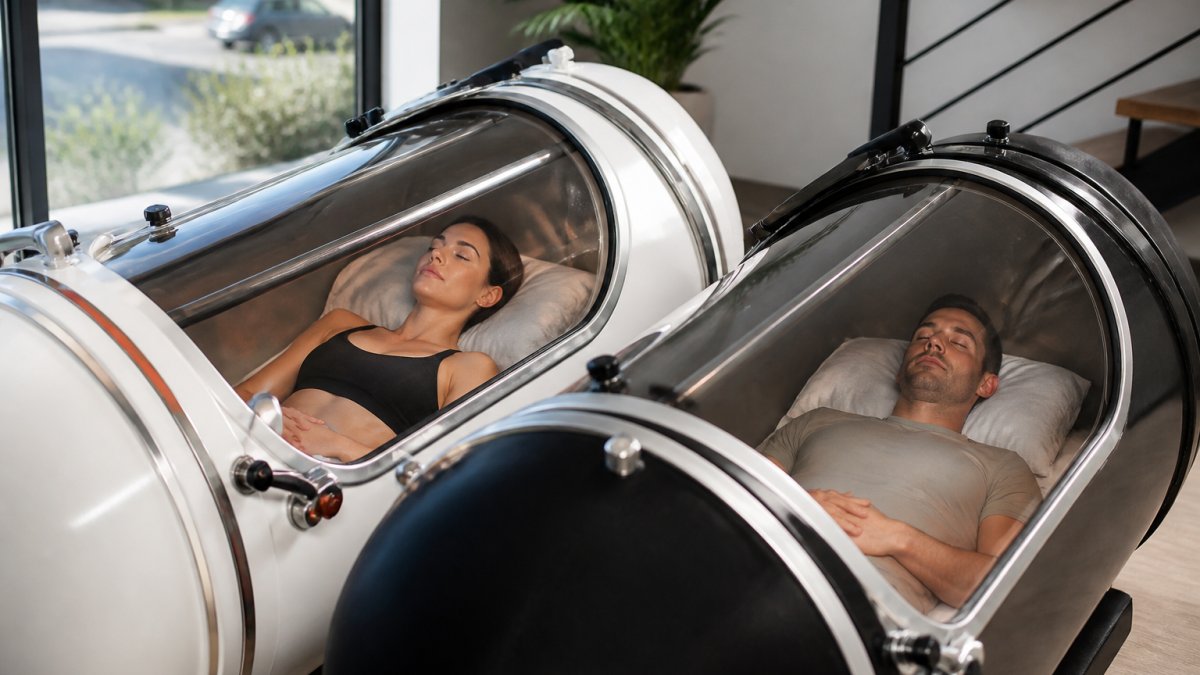
| Hyperbaric chambers | 60-90 minutes | Low (one client per chamber per block) | Moderate to high, monitoring and protocols | Dedicated room, structural and ventilation considerations | Per session or premium membership tier | High-ticket premium positioning |
| Thermal recovery (contrast therapy) | 15-30 minutes | Moderate | Low | Wet-area build-out, drainage and slip resistance | Bundled into membership | Recurring membership anchor |
| Compression and recovery wear | 20-45 minutes | Moderate | Very low | Chair or lounge space only | Add-on or membership inclusion | Low-cost retention add-on |
| Diagnostic and wellness testing | 15-30 minutes | Moderate | Moderate, depending on panel | Small lab or draw station | Per test or bundled panel | New-client acquisition and data-driven upsell |
Red Light Therapy Systems
Red light therapy is the easiest entry point for most med spas because the capital outlay is lower than any other category here and the room turns over quickly.
The limitation is differentiation. Because the category is crowded and the equipment is widely available, price competition is real. Facilities that win here treat it as a retention tool rather than a headline service, and they protect margin by bundling rather than discounting.
Hyperbaric Chambers
Hyperbaric chambers sit at the opposite end of the spectrum. Sessions are long and the price per visit is higher, so fewer bookings generate meaningful revenue. This suits med spas with an established premium clientele and a dedicated room to spare.
Staff training and monitoring requirements matter more here than with any other modality. Budget for onboarding time, written operating protocols, and client screening before you buy.
Thermal Recovery Equipment
Thermal recovery covers contrast therapy and similar heat-and-cold formats. It works best as a membership anchor: clients come for the recovery routine and stay for the aesthetics.
The trade-off is build-out. Wet areas require drainage, slip-resistant surfaces, and ventilation, so the installed cost is often higher than the equipment quote suggests. Model the full build-out, not just the unit price, before committing.
Compression and Recovery Wear
Compression and recovery wear is the lowest-cost category on this list and the easiest to pilot. The equipment occupies a chair or lounge rather than a room, staff involvement is minimal, and the service slots naturally into an existing membership as an inclusion or a low-priced add-on. It rarely drives acquisition on its own, but it raises perceived membership value and gives clients a reason to visit between aesthetic appointments.
Diagnostic and Wellness Testing
Diagnostic and wellness testing, panels, screenings, and similar services, is the category most often overlooked in revenue planning. It creates a structured consultation moment, produces data that supports personalized treatment recommendations, and gives clients a concrete reason to rebook for follow-up testing. The operational requirements vary widely by test, so confirm staffing, licensure, and turnaround logistics before adding a panel to your service menu.
How to Choose Between Categories
The decision usually comes down to three questions. First, how many billable sessions can the room realistically support each week at your planned price? Second, what is the total cost to own, equipment, installation, training, consumables, service, and the square footage the system occupies? Third, does the service fit your existing workflow and staff model, or does it require a new hire?
A common pattern is to start with the lowest-cost, highest-throughput category to build membership volume, then layer in a premium category once the client base supports the higher price point. Facilities that buy the premium system first often find the room sits idle while they build the audience for it.
Making a Smart Med Spa Technology Investment
A med spa technology investment should be judged on total cost of ownership, not sticker price. That means equipment, installation, training, consumables, service contracts, software and integration fees, and the square footage the system occupies. Divide total first-year cost by expected billable sessions to get a real cost per session, that number, not the purchase price, is what you compare against your planned price per service.
The Five Cost Components to Model
- Acquisition. Purchase price, or the capitalized value of a lease. Include delivery, rigging, and any electrical or plumbing work the unit requires.
- Installation and build-out. Dedicated circuits, ventilation, drainage, room finishes, and any structural work. This line is routinely underestimated for wet-area and chamber categories.
- Training and onboarding. Staff time to certify, plus the productivity lost while the team learns the protocol. Treat this as a real cost, not a rounding error.
- Consumables and supplies. Per-session gels, disposables, filters, and replacement parts. Multiply by expected annual sessions to get a true variable cost per visit.
- Service and maintenance. Warranty terms, preventive maintenance contracts, and expected downtime. Ask the manufacturer for the recommended service interval and what a typical repair costs out of warranty.
Running the Break-Even Math
Break-even is a simple calculation, but only if the inputs are honest. Take the total first-year cost, subtract any financing costs you are treating as operating expense, and divide by the contribution margin per session, price minus variable cost per session.
Book a 30-Minute Facility Review →
Run the model at three utilization levels: conservative, expected, and optimistic. If the system is only profitable at the optimistic number, it is not a safe investment. A system that runs at half capacity can still be profitable, but only if the break-even math was done honestly at that lower number.
Financing Versus Paying Cash
Financing changes the cash flow picture, not the break-even point. A lease or equipment loan spreads the acquisition cost across the term, which preserves working capital for staffing, marketing, and build-out. The trade-off is interest cost and, in some structures, a lien or personal guarantee.
We help facilities model this before purchase, and wellness financing that builds facility revenue is worth reviewing if preserving capital matters to your plan.
A Worked Example
Suppose a system costs $40,000 installed, with $6,000 in first-year training, consumables, and service. Total first-year cost is $46,000. If your price per session is $150 and variable cost per session is $20, contribution margin is $130. Break-even is roughly 354 sessions, or about 7 sessions per week over a year. If your room can realistically support 10 sessions per week, the investment clears break-even with margin to spare; if it supports 5, the model does not work at your current price and you should renegotiate, re-scope, or choose a different category.
Integration, Privacy, and Workflow Checks
Before signing, confirm how the system fits your existing operations. Does it integrate with your scheduling, payment, and records systems, or will staff maintain a separate log? Who owns the data the device generates, and how is it protected under applicable privacy requirements? Can the workflow absorb the new service without adding a hire, or does it require a dedicated technician?
Red Light Therapy for Med Spas: Revenue and Retention Potential
Red light therapy for med spas works as a retention engine first and a revenue line second.
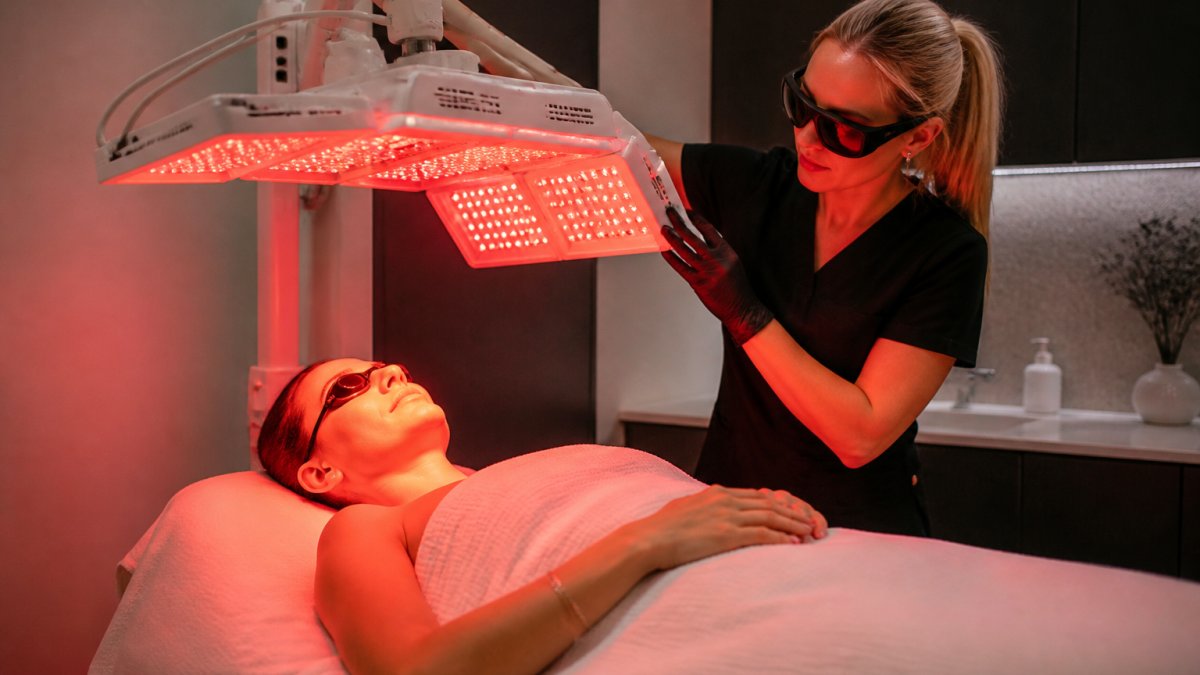
Pricing strategy decides the outcome. Positioning light therapy as a cheap add-on trains clients to undervalue it. For a deeper look at how this scales across a facility, see red light therapy business revenue that scales.
Adding a Hyperbaric Chamber for Med Spa Revenue Diversification
A hyperbaric chamber for med spa revenue diversification is the highest-ticket option and the one that needs the most planning. The service attracts clients who already spend on wellness, and it supports premium membership tiers that lift recurring revenue.
Space, staffing, and compliance come first. Our commercial hyperbaric chamber for facility revenue article covers the revenue model in more depth, and you can explore the flagship commercial hyperbaric chamber when you are ready to evaluate the equipment itself.
Med Spa Client Retention Strategies That Pair With Technology
Med spa client retention strategies only work when the technology supports them. A membership program is just a discount unless the client has a reason to show up every month.
Three approaches we see work consistently:
- Tiered memberships that include a set number of sessions, with overage billed at a premium rate
- Post-treatment bundles that pair a facial or laser session with a recovery visit
- Milestone rebooking that schedules the next visit before the client leaves the room
Measure retention rate and repeat visits by service line, not just overall. If a modality has strong first visits and weak second visits, the problem is usually the package structure, not the equipment.
Conclusion
The hard part is not choosing a modality. It is proving the numbers before you commit capital, then building a package structure that brings clients back. Financing options preserve working capital while you add the service line. Explore the commercial red light systems or get in touch to plan a facility build-out around your actual room count and client base.
Frequently Asked Questions
Which wellness technologies can help a med spa increase revenue?
Red light therapy systems, hyperbaric chambers, and thermal recovery equipment are among the strongest options for med spa revenue growth. Each creates a new billable service that can be sold as a single session, a package, or a membership add-on. Red light therapy has low operating costs and short session times, which makes it easy to fit into existing treatment rooms. Hyperbaric chambers support premium pricing and attract recovery-focused clients. Thermal systems work well as a retention perk bundled into memberships. The right mix depends on your space, staff capacity, and client demand.
How should a med spa evaluate the return on a new technology investment?
Start with a total cost of ownership model: equipment cost, installation, staff training, consumables, and ongoing maintenance. Then estimate realistic utilization by treatment room and day, not best-case numbers. Multiply expected sessions by your planned price to project monthly revenue, and compare that against financing payments and operating costs to find your break-even point. Track revenue attribution by treatment after launch so you can see which services actually pay for themselves. Financing options can preserve capital while you test demand.
What wellness services can help attract repeat med spa clients?
Services with short sessions and cumulative benefits drive repeat visits best. Red light therapy, thermal recovery, and compression or recovery add-ons fit easily into a monthly membership and give clients a reason to return between injectable appointments. Bundling these services into membership programs turns one-time aesthetic clients into recurring revenue. Pair the technology with a consultation and booking process that schedules the next visit before the client leaves, and track retention rate by service to see which offerings keep clients coming back.
Do I need special training or compliance steps before offering hyperbaric or red light services?
Yes. Staff need hands-on training on each device, clear operating protocols, and documented safety procedures before you offer services. Check your state's rules for medical spa supervision and any device-specific requirements, since oversight rules vary by state. Confirm equipment certifications and insurance coverage for each modality. Ask vendors about onboarding, training, and ongoing support before you buy. Build a written consent and screening process for clients, and consult a qualified professional or your state regulator for the rules that apply to your setup.