 How-to
Training Staff on New Wellness Equipment: A Step-by-Step Plan
Last Updated: November 4, 2026
Quick Summary
Training staff on new wellness equipment means building a written training plan before delivery day, naming a training lead and safety lead, and running safety training before any hands-on practice. Staff then practice by risk tier and must pass a scored competency checklist before operating independently.
- Build a one-page training template per device before the equipment arrives.
- Safety training comes before hands-on practice for every device.
- Low-tier devices need 1-2 practice hours; high-tier devices need 4+ with supervision.
- Safety checklist items are pass/fail with no partial credit.
- Schedule refreshers at 30, 90, and 180 days after launch.
Table of Contents
- Why Staff Readiness Decides Whether New Wellness Equipment Pays Off
- Step 1: Build a Staff Training Plan Template Before Delivery Day
- Step 2: Assign Roles and Set Clear Expectations
- Step 3: Run Wellness Equipment Safety Training First
- Step 4: Deliver Hands-On Equipment Training by Risk Level
- Step 5: Verify Competency with a New Equipment Training Checklist
- Step 6: Measure Training Effectiveness and Schedule Refreshers
- Planning Your Equipment Rollout with Eternall Wellness
- Frequently Asked Questions
Why Staff Readiness Decides Whether New Wellness Equipment Pays Off
Training staff on new wellness equipment is the step that decides whether a purchase becomes a revenue line or an expensive dust collector.
The stakes are practical. Poorly trained staff avoid the equipment, members sense the hesitation, and the service never builds momentum.
Below, we'll walk through a six-step plan you can run before delivery day. It covers planning, roles, safety, hands-on practice, competency checks, and refreshers.
Step 1: Build a Staff Training Plan Template Before Delivery Day
A staff training plan template is a written schedule that names who learns what, when, and how you will confirm they learned it. Build it before the equipment arrives, not after. The gap between delivery and launch is where most facilities lose time.
Start with three inputs: the manufacturer's operating manual, your service menu, and your booking flow. Then map each to a training session.
What Belongs in the Template
- Equipment list with model names and serial numbers
- Session dates, durations, and trainer names
- Role-by-role learning goals
Keep the template to one page per device. If it runs longer, staff will not read it. Watch out: skipping the template and "training as we go" is the most common reason a launch slips by weeks.
Step 2: Assign Roles and Set Clear Expectations
Clear staff roles turn training from a group activity into an accountable one. Name a training lead, a safety lead, and a scheduling contact before the first session.
Write a one-paragraph expectation for every role:
- Training lead: runs sessions, tracks attendance, signs off competency
- Safety lead: owns emergency procedures and incident reporting
- Front desk: explains services, screens clients, books sessions
Then tell each person what "ready" looks like. If you need a starting point for headcount and role splits, our guide to staffing requirements for gym recovery stations covers how many people a recovery area typically needs.
Step 3: Run Wellness Equipment Safety Training First
Wellness equipment safety training comes before any hands-on practice. Staff should understand the risks of each device before they touch a control panel. This ordering matters: a person who knows the hazards asks better questions during practice.
Cover these basics for every device:
- Who should not use the equipment, and how to screen for it
- How to start, pause, and stop a session safely
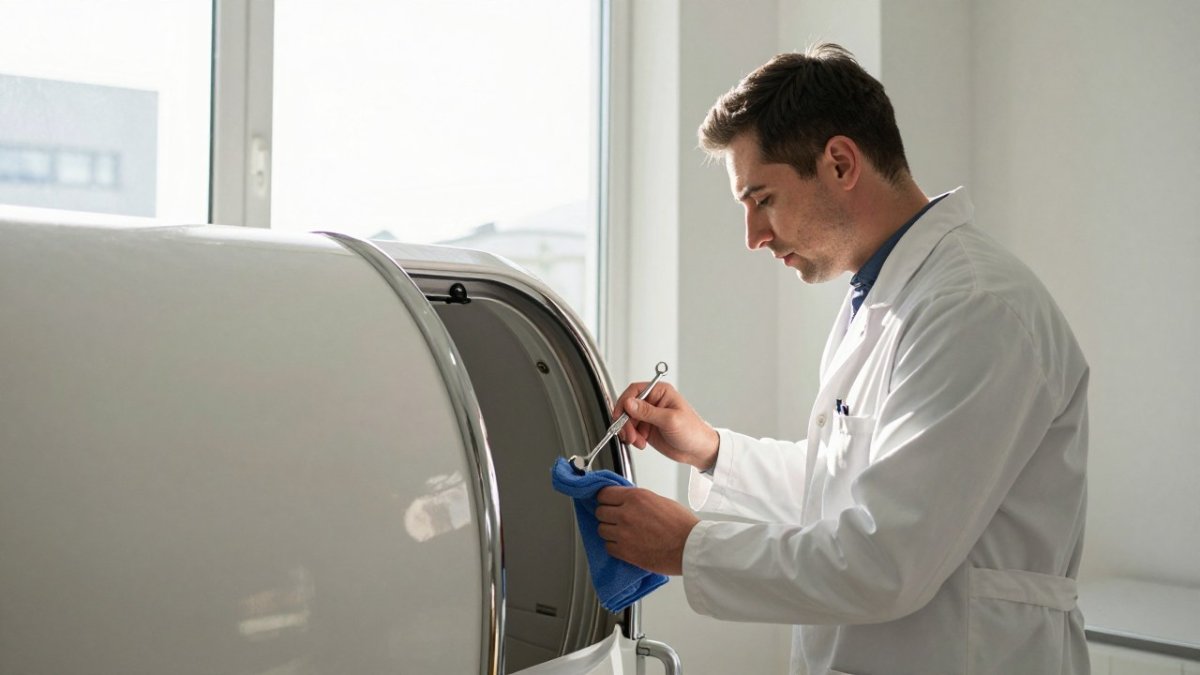
- Cleaning and hygiene steps between clients
For thermal systems, hyperbaric chambers, and light therapy devices, the manufacturer's contraindication list is your primary reference. Read it aloud in the session. Do not summarize it from memory.
Emergency Procedures and Incident Response
Every staff member should be able to answer four questions without hesitating: where is the emergency stop, who calls for help, what do I document, and who do I notify. Run one practice drill per device before launch. Document the drill date and who attended. A structured recovery center risk assessment gives you the hazard list that safety training should cover, so nothing gets missed.
Step 4: Deliver Hands-On Equipment Training by Risk Level
Hands-on equipment training should match the risk level of the device, not a single schedule for everything. Group your equipment into three tiers and train accordingly.
| Risk Tier | Example Devices | Practice Hours | Who Signs Off |
|---|---|---|---|
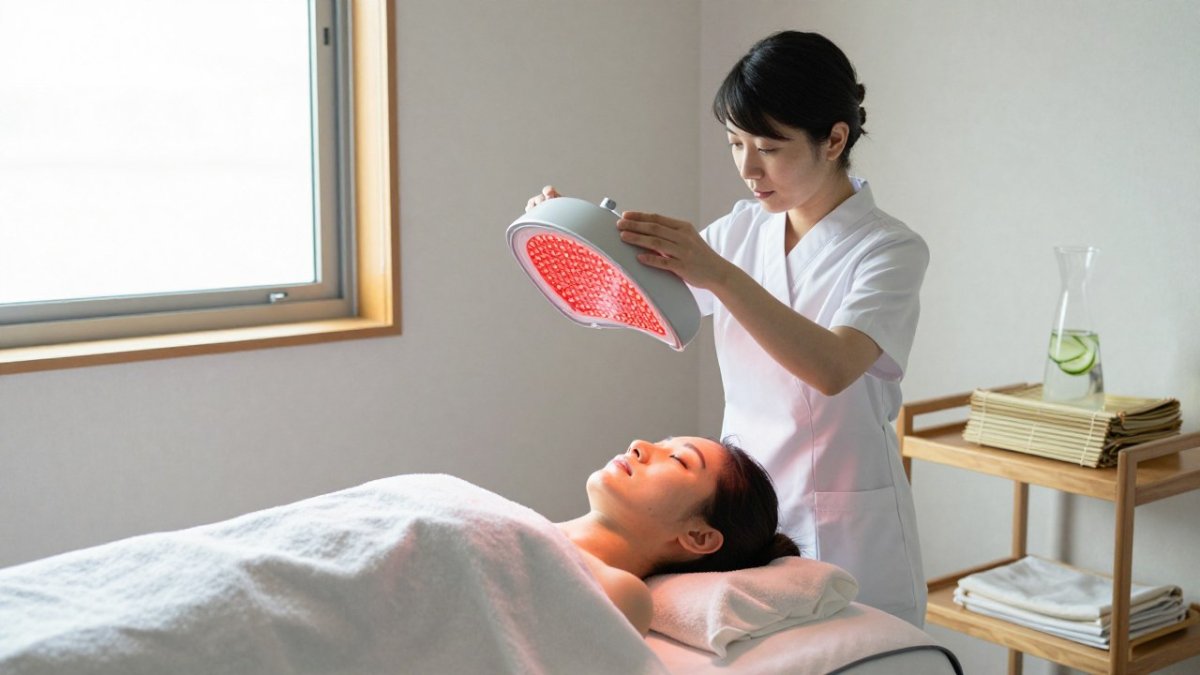
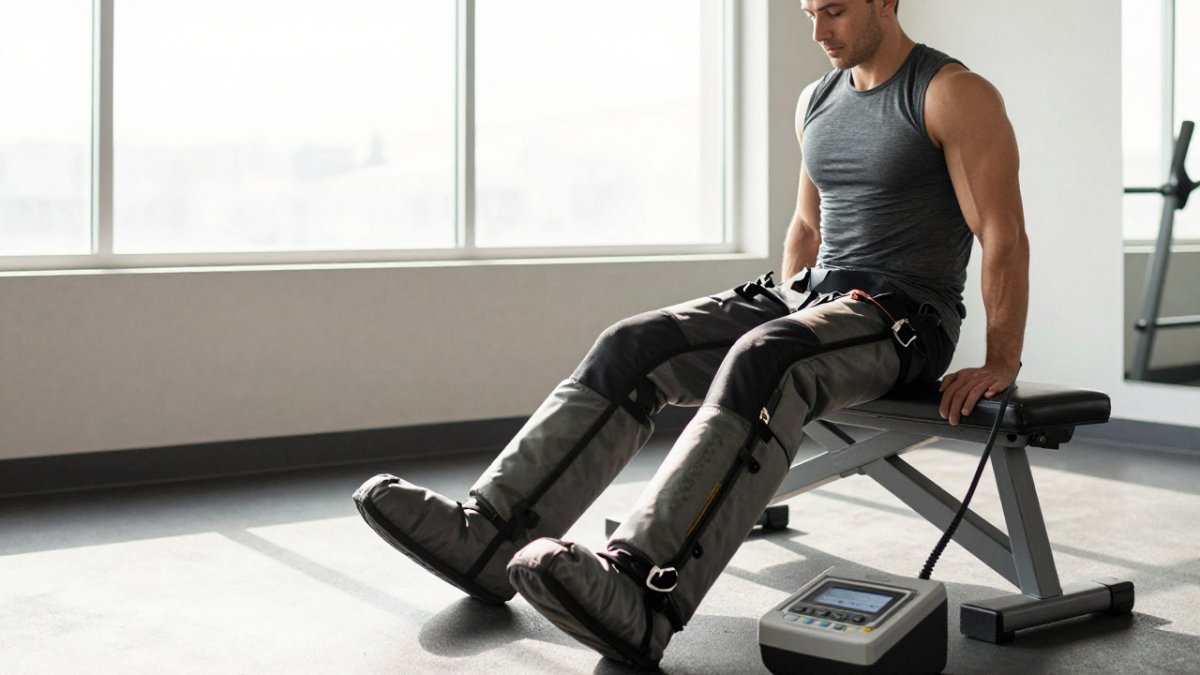
| Low | Red light panels, compression boots | 1-2 | Training lead |
| Medium | Thermal recovery systems, contrast therapy | 2-4 | Training lead and safety lead |
| High | Hyperbaric chambers, oxygen systems | 4+ with supervised sessions | Safety lead and clinic manager |
Low-tier devices need familiarization and a short demo. High-tier devices need supervised practice until the trainee can run a full session start to finish without prompting. What most guides miss is that high-tier devices also need a second person present during early live sessions.
Run Every Device Through the Same Four-Stage Sequence
Risk tier sets how long each stage takes, not whether it happens. Run every device through the same four stages so nothing is skipped on a busy week.
- Familiarization. The trainee reads the manufacturer's manual section for the device and walks the physical unit: controls, cords, vents, filters, emergency stop, and cleaning supplies. Fifteen to thirty minutes per device.
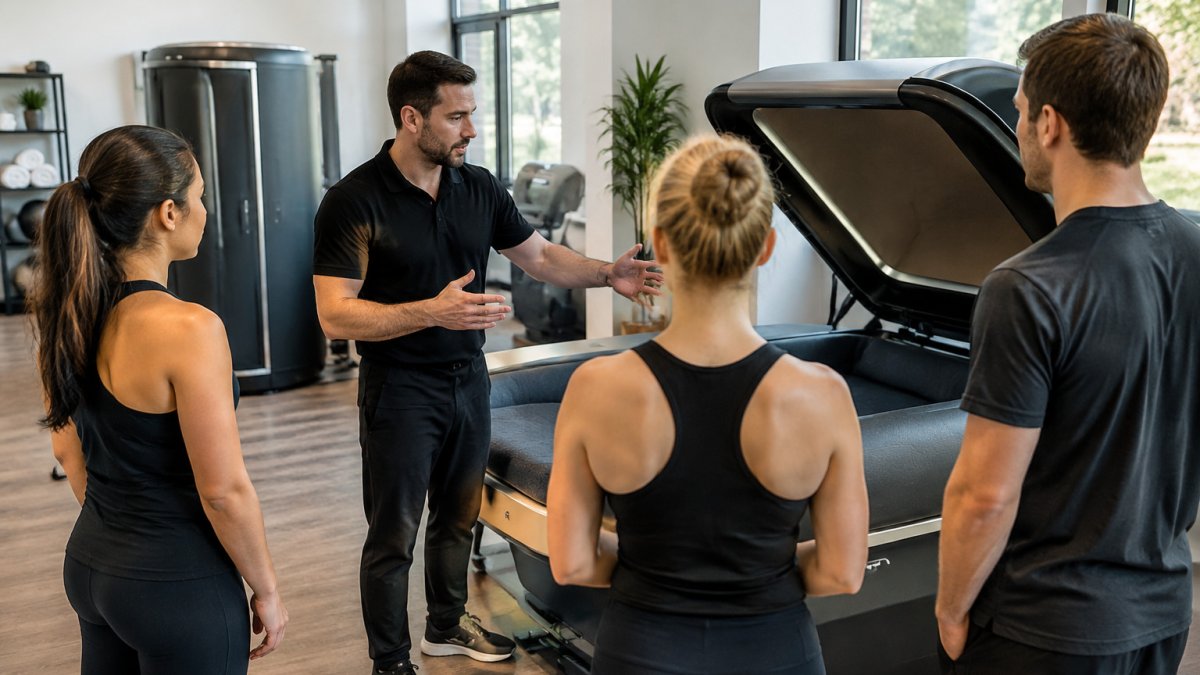
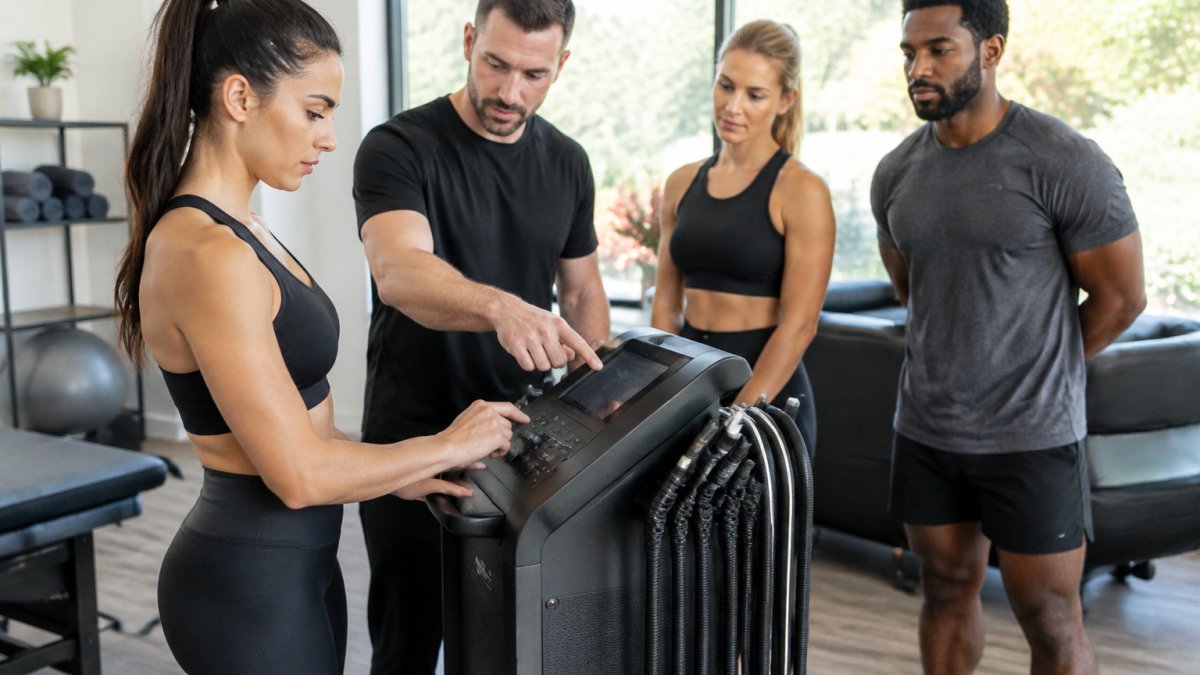
- Demonstration. The training lead runs a complete session on a colleague acting as the client, narrating each step out loud, including the client screening questions and the aftercare handoff. The trainee watches without touching anything.
- Supervised practice. The trainee runs real sessions with the trainer in the room. Start with staff volunteers, then move to paying clients once the trainee completes two clean sessions without prompting. For high-tier devices, keep a second staff member present through the first five live client sessions.
- Independent operation with spot checks. The trainee runs sessions alone, and the training lead observes one session per week for the first month without intervening unless safety is at risk.
The man is American.
Book a 30-Minute Facility Review →
Tailor the Practice to the Equipment Type
A single script does not fit every device. Adjust the emphasis by category:
- Cardio and connected equipment. Spend the practice time on pairing, login, and data sync. Most errors here are software errors, not mechanical ones, so have the trainee pair a phone, start a session, and pull a report before they ever coach a client.
- Strength equipment. Focus on setup adjustments, weight selection, and spotting. The trainee should be able to fit the machine to a client's body and explain the adjustment in plain language.
- Recovery and thermal equipment. Focus on screening, session timing, temperature or pressure settings, and cleaning between clients. These devices carry the highest contraindication risk, so practice includes reciting the contraindication list and turning away a mock client who does not qualify.
Build practice into real shifts. A trainee who runs three sessions on a quiet Tuesday learns more than one who watches a demo. Pair each trainee with a designated buddy for their first two weeks of live sessions so questions have somewhere to go.
Step 5: Verify Competency with a New Equipment Training Checklist
A new equipment training checklist is a scored list that confirms each staff member can operate a device safely and explain it to a client. It is not a sign-in sheet. Someone watches the trainee work and marks each item pass or fail. The checklist is the record that separates "attended training" from "cleared to operate," and it is the piece most facilities skip.
Use this checklist for every device:
- States the device's purpose in one plain sentence
- Lists who should not use it
- Completes a full start-to-finish session unaided
Set Pass Criteria Before Anyone Is Evaluated
A checklist without pass criteria becomes a popularity contest. Write the rules down before the first evaluation:
- Safety items are pass/fail with no partial credit. Contraindication screening, emergency stop location, cleaning between clients, and fault reporting must each be performed correctly. One miss on any safety item means a repeat session, regardless of how well the rest went.
- Operational items allow one prompt. If the trainee needs a reminder on a non-safety step, the evaluator notes it and the trainee repeats that step at the next session.
- Client explanation must be delivered without notes. Reading the service description aloud does not count as competency.
Document the Sign-Off So It Survives an Audit
Keep a training record for every staff member and every device. The record should include the trainee's name, the device model and serial number, the date of each evaluation, the evaluator's name, the pass or fail result for each line item, and the date of the next scheduled refresher.
A signed checklist protects you in three situations: a client questions whether staff were trained, an insurer asks for documentation after an incident, and a new manager needs to know who is cleared to run which device. A one-page competency matrix posted in the staff area, with names down the side and devices across the top, answers the last question at a glance.
Remediate Rather Than Reject
A failed evaluation is a scheduling problem, not a hiring problem. Pair the trainee with a different trainer for the repeat session, because the first trainer's explanation may be the issue. Give the trainee at least one supervised practice session before re-evaluation.
Watch out: letting a trainee operate a device "just this once" before sign-off undermines the entire record and creates liability exposure if anything goes wrong during that session.
Step 6: Measure Training Effectiveness and Schedule Refreshers
Measure training effectiveness with three signals: booking uptake, staff confidence, and error reports. Track them for the first 90 days after launch.
- Uptake: percentage of new clients who book a second session
- Confidence: a two-question self-rating from each staff member at day 30
- Errors: logged issues per device per month
If uptake is flat and errors are high, the training did not land. Fold routine maintenance tasks into those refreshers so staff keep up with care routines; our article on essential maintenance tips for med spa devices explains why maintenance and competency checks belong on the same schedule.
Planning Your Equipment Rollout with Eternall Wellness
A training plan is easier to build when the equipment partner supplies the manuals, the risk guidance, and the support behind them. Eternall Wellness provides premium wellness systems for commercial facilities, including red light therapy, thermal recovery, and hyperbaric chambers, with financing available to preserve capital while you build the service.
Evaluating use, pricing, and integration before you commit helps your training plan map to services your clients will actually book. When you are ready to look at specifics, you can evaluate the Multimodality Wellness System for service fit and room planning, or browse cold plunge systems to see what a training plan would cover.
The next step is simple: get your template built, your safety lead named, and your first session on the calendar before delivery day.
Frequently Asked Questions
How do you train staff to use new wellness equipment?
Start with a written training plan template that lists every device, its risk level, and who is responsible for sign-off. Run wellness equipment safety training before anyone touches the controls, then move to hands-on equipment training with supervised practice on each device. Finish with a competency check where staff demonstrate setup, operation, cleaning, and shutdown without prompting. Document each sign-off so you can prove who was cleared to use what.
What should a wellness equipment training program include?
A complete program covers five areas: equipment familiarization, safe operation and contraindications, cleaning and preventive maintenance, technology and device updates, and member communication. Add emergency procedures and incident reporting for higher-risk devices such as hyperbaric chambers. Build in a refresher schedule and a way to track staff performance so gaps surface before a member notices them.
How do you check whether staff are ready to use new equipment?
Use a new equipment training checklist with observable steps: power-up sequence, correct settings, member positioning, cleaning between users, and shutdown. A staff member is ready when they complete every step unaided and can explain what to do if something goes wrong. Have a second person sign off, and keep the signed checklist on file. Repeat the check after any device update or long gap between shifts.
What should staff do if equipment is not working as expected?
Staff should stop use immediately, unplug or power down the device if it is safe to do so, and tag it out of service so no one else uses it. They should log the issue with the time, device, and what they observed, then notify the manager on duty. Only trained staff or a manufacturer technician should attempt troubleshooting. Keep the manufacturer's support contact and warranty details posted near each device.
The facilities that win with recovery services are not the ones with the most equipment. They are the ones whose staff can run every device with confidence on day one. Eternall Wellness supports that launch with commercial-grade systems, financing options, and guidance on utilization and pricing. Get started with Eternall Wellness and turn your new equipment into a service your members book again.