 How-to
Med Spa Service Expansion Trends 2026: What to Add
Last Updated: November 21, 2026
Quick Summary
Med spa service expansion in 2026 is driven by smarter service design rather than adding more treatment rooms, with injectables and energy-based devices anchoring the menu while recovery services and personalization generate new revenue. Validate demand, model payback honestly, settle compliance, and train your team before the first booking.
- Regenerative aesthetics, including platelet-rich plasma and regenerative injectables, appeals to patients seeking natural-looking results and longer treatment plans.
- Run four cheap demand tests before spending, including a waitlist landing page that counts real opt-ins over 30 days.
- Rank candidates on revenue per treatment hour multiplied by expected repeat visits per patient per year.
- Model a ramp starting at roughly a quarter of target weekly treatments in month one, reaching steady state after month three.
- If modeled payback is longer than 18 months, a lease or equipment financing protects capital.
Table of Contents
- Med Spa Service Expansion Trends 2026: The Shifts That Matter
- Injectables and Regenerative Aesthetics Keep Leading Demand
- Devices, Recovery, and AI Personalization Move Into the Mainstream
- Med Spa Service Menu Ideas That Fit 2026 Demand
- A Practical Framework for Choosing Which Service to Add
- Med Spa Equipment ROI: Modeling Payback Before You Buy
- Clinical, Legal, and Regulatory Readiness
- Med Spa Client Retention Strategies for New Services
- Med Spa Growth Strategies: Launch, Train, and Measure
- Planning Your Next Service Line With Eternall Wellness
- Frequently Asked Questions
Med Spa Service Expansion Trends 2026: The Shifts That Matter
Med spa service expansion trends in 2026 point to one clear conclusion: growth now comes from smarter service design, not simply from adding more treatment rooms. According to the American Med Spa Association's industry reporting, demand keeps shifting toward non-invasive and minimally invasive treatments that fit busy schedules. At Eternall Wellness, we work with owners who are weighing exactly this question. Below, we break down the shifts that matter and the decision framework that keeps an expansion profitable.
The headline: injectables and energy-based devices still carry the service menu, but recovery and personalization are where new revenue is hiding.
Injectables and Regenerative Aesthetics Keep Leading Demand
Neuromodulators and hyaluronic acid fillers remain the anchor of most treatment portfolios. They are quick, repeatable, and easy to explain to a first-time patient. The growth sits in how practices package them, not in the products themselves.
Regenerative aesthetics is the faster-moving story. Platelet-rich plasma and regenerative injectables appeal to patients who want a natural-looking result and are willing to pay for a longer treatment plan.
Devices, Recovery, and AI Personalization Move Into the Mainstream
Energy-based devices, laser treatments, and skin rejuvenation have moved from differentiator to expectation. Body contouring and laser hair removal fill gaps in a service menu that injectables alone cannot cover.
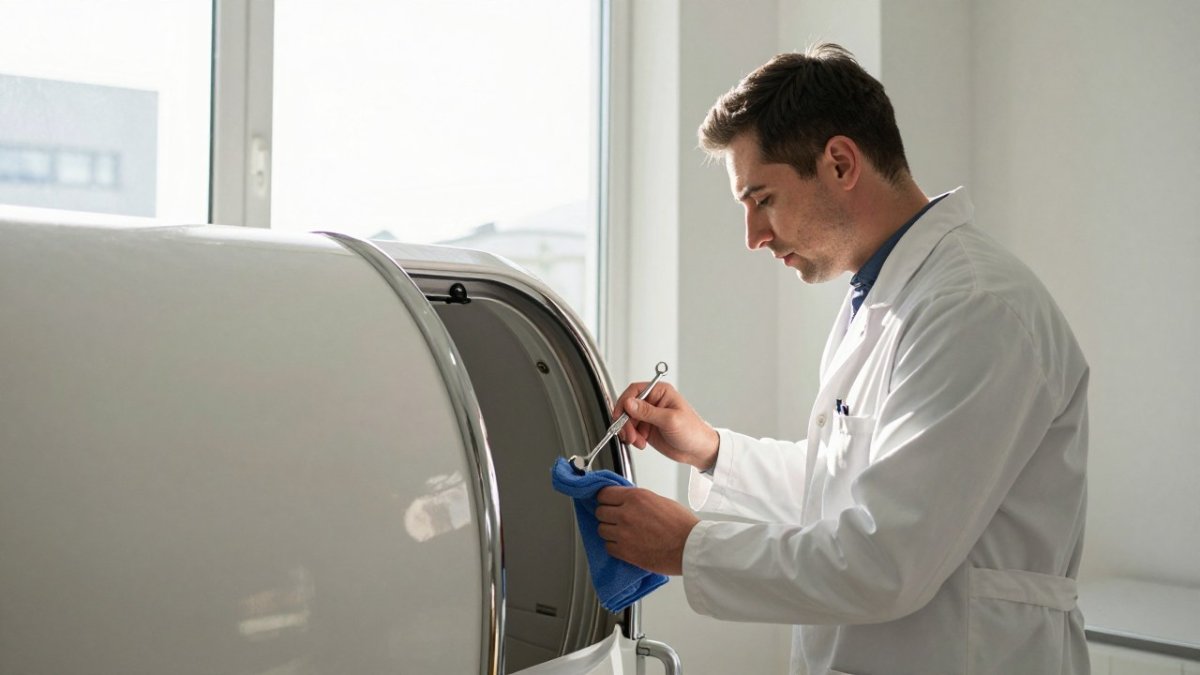
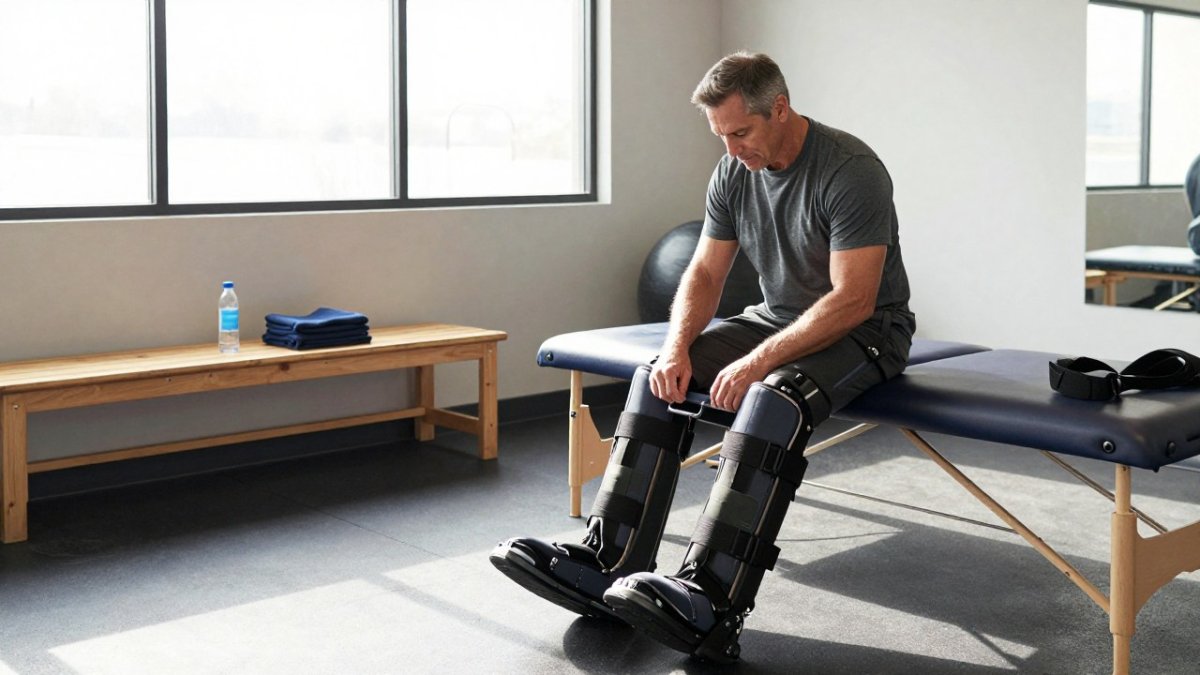
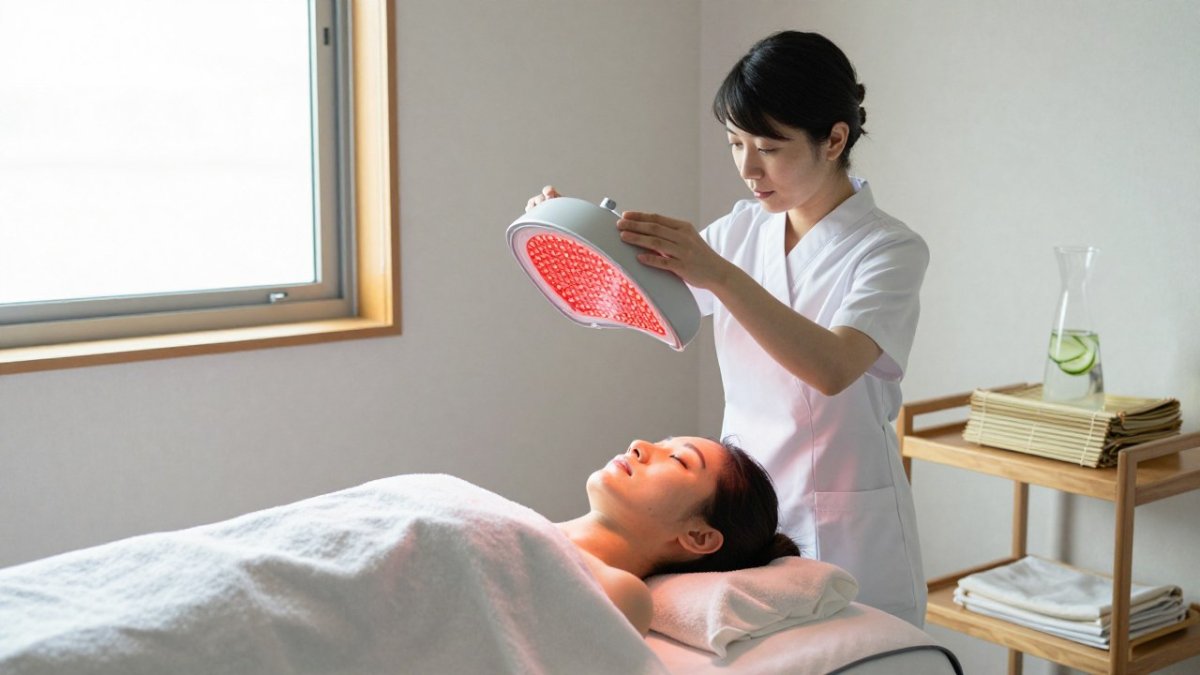
Recovery services such as red light therapy, thermal recovery, and hyperbaric chambers are increasingly offered alongside aesthetic treatments, because they serve a patient's desire for results and recovery in one visit.

Med Spa Service Menu Ideas That Fit 2026 Demand
The strongest med spa service menu ideas in 2026 share three traits: high repeat potential, low room turnover time, and a clear story for the patient. A menu built on those traits fills idle treatment rooms without adding staff hours.
- Membership-based injectable plans with scheduled touch-ups
- Recovery add-ons bundled with energy-based treatments
- Body contouring packages sold in series, not singles
- Regenerative consultations as a standalone entry point
- GLP-1 support programs paired with skin tightening
For a curated look at specific recovery options, our guide to the best recovery equipment for med spas covers what fits a commercial treatment room.
A Practical Framework for Choosing Which Service to Add
The framework below is built to answer three questions in order: is there demand, can you deliver it, and does the math survive a slow ramp?
Step 1: Validate demand before you spend. Do not treat a vendor's market-growth chart as local demand. Run four cheap tests first.
Step 2: Score room, staff, and time fit. Map each candidate to a specific room and a named provider before you go further.
Step 3: Model contribution margin and repeat rate together. Rank candidates on revenue per treatment hour, not revenue per treatment. Then multiply by expected repeat visits per patient per year. A lower-priced treatment a patient repeats several times a year can outperform a higher-priced one-time package on annual revenue per patient.
Step 4: Score regulatory and clinical load. Before committing, confirm the supervision model, scope-of-practice limits, credentialing, informed-consent requirements, and documentation standards the service triggers in your state. A service that requires a medical director on site every treatment day carries a staffing cost that belongs in the model, not in a footnote.
Step 5: Run a 30-day pilot. Launch the top-scoring service in a limited block, two half-days a week, one provider, one room, and track consults booked, consults converted, and treatments delivered. A pilot that fills its block in 30 days earns the equipment purchase. One that does not tells you the demand test was optimistic before you are locked into a financing schedule.
Watch out: the most common failure is scoring a service on its best-case demand and its best-case margin at the same time.
Owners who want the broader version of this decision, including how to structure the expansion itself, can read our med spa expansion guide for owners.
The framework answers three questions in order: is there demand, can you deliver it, and does the math survive a slow ramp?
| Step | What to do | Key detail |
|---|---|---|
| Step 1 | Validate demand before you spend | Waitlist landing page counts real opt-ins over 30 days |
| Step 2 | Score room, staff, and time fit | Map each candidate to a specific room and named provider |
| Step 3 | Model contribution margin and repeat rate together | Rank on revenue per treatment hour, not per treatment |
| Step 4 | Score regulatory and clinical load | Score low, medium, or high; treat high-load services as slower launches |
| Step 5 | Run a 30-day pilot | Two half-days a week, one provider, one room |
Med Spa Equipment ROI: Modeling Payback Before You Buy
Med spa equipment ROI comes down to utilization, not list price. A device that runs at half capacity rarely pays back on schedule, no matter how good the technology is. The gap in most trend coverage is that it stops at "model your payback" without showing the model.
Build the monthly cost stack first. Total monthly cost is more than the payment. Add financing or lease payment, consumables per treatment multiplied by planned treatments, provider and staff minutes per treatment, room overhead allocated per treatment hour, service contract and warranty, and the cost of the training hours you will lose during launch.
Then build the revenue side at realistic utilization. Do not model full capacity. Model a ramp: month one at roughly a quarter of your target weekly treatments, month two at half, month three at three-quarters, and steady state after that.
Stress-test three variables. Run the model three more times: at 70% of your assumed demand, at a 15% lower price, and with one additional staff hour per treatment day. If the service only breaks even at full use and full price, the plan is fragile. A service line that survives all three stress tests is one you can defend to a lender or an investor.
Compare candidates on payback, not on ticket price. Put your top three candidates side by side on four numbers: startup cost including installation and training, monthly contribution at steady state, payback months, and contribution per treatment room hour. The highest-ticket device is frequently not the fastest payback, because consumables and provider minutes scale with every treatment while the payment does not.
Decide lease versus buy on the ramp, not the rate. If your modeled payback is longer than 18 months, a lease or equipment financing that matches the payment schedule to the ramp protects capital. If payback is short and demand is validated, buying preserves margin.
Watch out: buying on projected demand you have not validated is the single most common way a service line becomes a fixed cost. Our med spa equipment launch checklist walks through demand, revenue assumptions, costs, staffing, and supplier verification in one place.
Clinical, Legal, and Regulatory Readiness
Regulatory readiness is where expansion plans stall. Supervision requirements, scope of practice, informed consent, and documentation standards vary by service and by state. A service that is routine in one practice model can require a medical director's oversight in another.
Build the compliance file before launch: written protocols, consent forms, staff credential records, and an adverse-event process. For services that involve medical treatment, confirm who holds clinical responsibility on every shift. Our overview of legal considerations for adding medical wellness services covers the questions to settle with counsel before you open bookings.
Med Spa Client Retention Strategies for New Services
Med spa client retention strategies decide whether a new service earns a second visit. The first thirty days matter most: a patient who books a follow-up before leaving the first appointment is far more likely to return.
Three moves carry most of the weight:
- Bundle the new service into an existing plan rather than selling it cold
- Set the follow-up at checkout, not in a later email
- Track repeat visits per service line so you can see which additions actually stick
Memberships remain the strongest retention tool in the category. A new service that fits inside an existing membership gets adopted faster than one sold as a standalone.
Med Spa Growth Strategies: Launch, Train, and Measure
Med spa growth strategies fail at the handoff between equipment and staff. A device that sits unused because no one is confident operating it is a cost, not a service line. Train before launch, not after.
Name a lead operator for each new service, run supervised practice sessions, and write a one-page protocol the whole team can follow. Then measure the service line monthly on four numbers: use, revenue per treatment hour, repeat rate, and patient satisfaction. Our step-by-step staff training plan gives you the sequence for a new equipment launch.
Planning Your Next Service Line With Eternall Wellness
The practices that grow in 2026 treat expansion as a business decision with a clinical layer, not the reverse. Validate demand, model payback honestly, settle compliance, and train the team before the first booking.
Eternall Wellness supplies premium wellness and recovery systems for commercial facilities, including red light therapy, thermal recovery, and hyperbaric chambers. We help owners evaluate use, pricing, and integration before purchase, and financing options are available to help facilities preserve capital while adding a revenue-generating service.
Get started with Eternall Wellness and build a service line that pays for itself.
Adding a recovery or wellness modality is a decision you can model before you commit. Eternall Wellness builds multi-modality recovery systems for gyms, med spas, and wellness clinics, with financing available to preserve capital. Our team helps you evaluate demand, utilization, and ROI alongside the equipment itself, so the new service line earns its place on your menu.
Frequently Asked Questions
What are the current med spa service expansion trends for 2026?
The biggest shifts are toward injectables and regenerative aesthetics, energy-based devices for skin rejuvenation and body contouring, and premium recovery services such as red light therapy, thermal recovery, and hyperbaric chambers. The common thread is services that create recurring visits rather than one-off transactions.
How should a med spa decide which new services to add?
Start with demand validation, not equipment catalogs. Survey existing patients and review requests your team already turns away. Then model the economics: projected monthly treatments, price per session, consumables, staff time, and financing payments. Only pursue a service that clears break-even at a conservative utilization rate. Equipment ROI should be modeled on paper before a purchase order is signed, and the service should complement your existing menu.
What med spa client retention strategies work best when launching a new service?
Bundle the new service into memberships and treatment packages so it becomes part of a recurring plan rather than an upsell. Introduce it first to your most engaged patients through a private preview, then follow up with structured rebooking prompts at checkout. Track repeat visits and average revenue per patient for the new line separately.
What compliance issues come with adding recovery equipment like hyperbaric chambers?
Requirements can vary by location and by device classification. Before purchasing, confirm whether the service requires physician supervision, specific staff credentials, or room modifications, and check device labeling and manufacturer documentation. Consider what training and ongoing support is available from any supplier, since staff competence affects both safety and service consistency. Build written protocols, informed consent forms, and a maintenance schedule into your launch plan, and verify insurance coverage for the new service line before your first patient.