 blog
Red Light Therapy Equipment Pricing for Spas Explained
Last Updated: November 16, 2026
Quick Summary
Red light therapy equipment pricing for spas is driven by four factors: device type, wavelength and irradiance, treatment coverage, and build quality. Two panels that look identical can differ by thousands of dollars because of the diodes inside them, so verify output and duty cycle in writing before you buy.
- Consumer panels are built for home use with short sessions and limited warranty.
- Commercial-grade machines are built for continuous operation in a spa or clinic.
- Ask used device sellers for the original irradiance spec and a current meter reading.
- Normalize quotes by treatment area, irradiance, wavelength set, and duty cycle.
- Calculate payback as purchase price divided by monthly net revenue from the service.
Table of Contents
- What Drives Red Light Therapy Equipment Pricing for Spas
- Consumer, Professional, and Commercial-Grade Devices Compared
- How to Evaluate Used Red Light Therapy Equipment Pricing for Spas
- What Makes the Best Red Light Therapy Equipment for Spas
- Red Light Therapy Booth Cost and Full-Body System Options
- Full-Body Red Light Therapy Session Cost and Revenue Potential
- Calculating ROI and Break-Even for Your Spa
- Request a Custom Equipment Quote from Eternall Wellness
- Frequently Asked Questions
What Drives Red Light Therapy Equipment Pricing for Spas
Red light therapy equipment pricing for spas comes down to four things: device type, wavelength and irradiance, treatment coverage, and build quality. Two panels that look identical can differ by thousands of dollars because of the diodes inside them. That gap is where most buyers get burned.
Evaluating these variables before a purchase is what matters most. The sticker price is the easy part. What matters is what the device delivers per square foot of treatment space.
Device Type and Form Factor
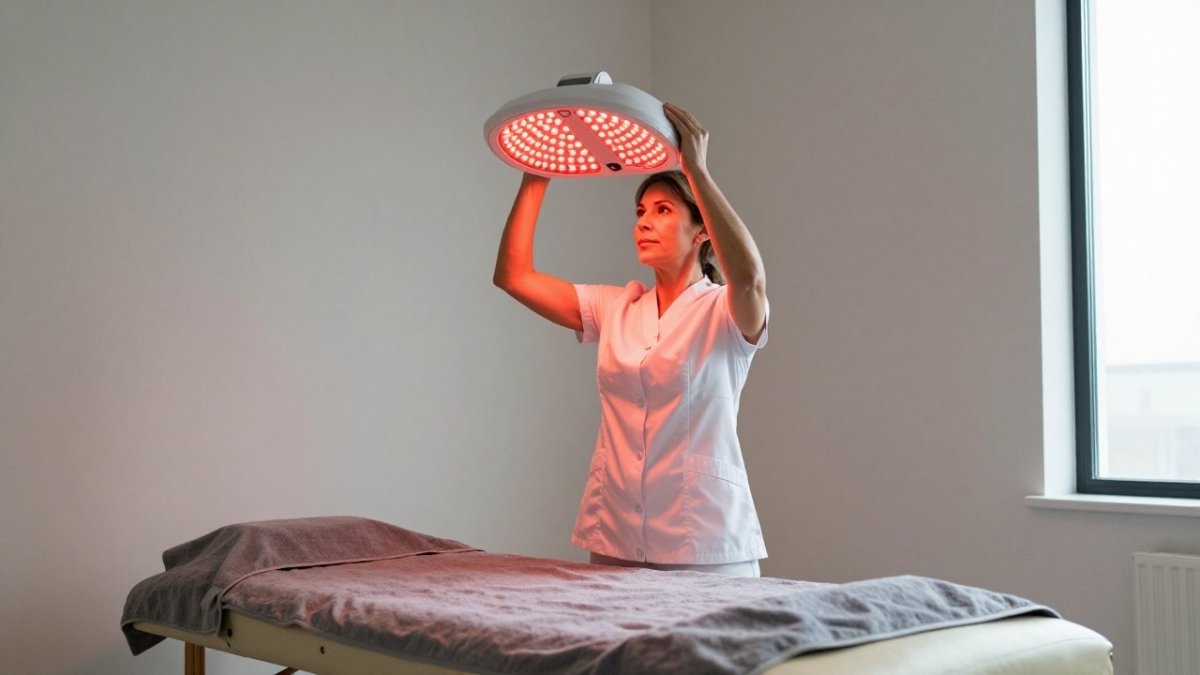
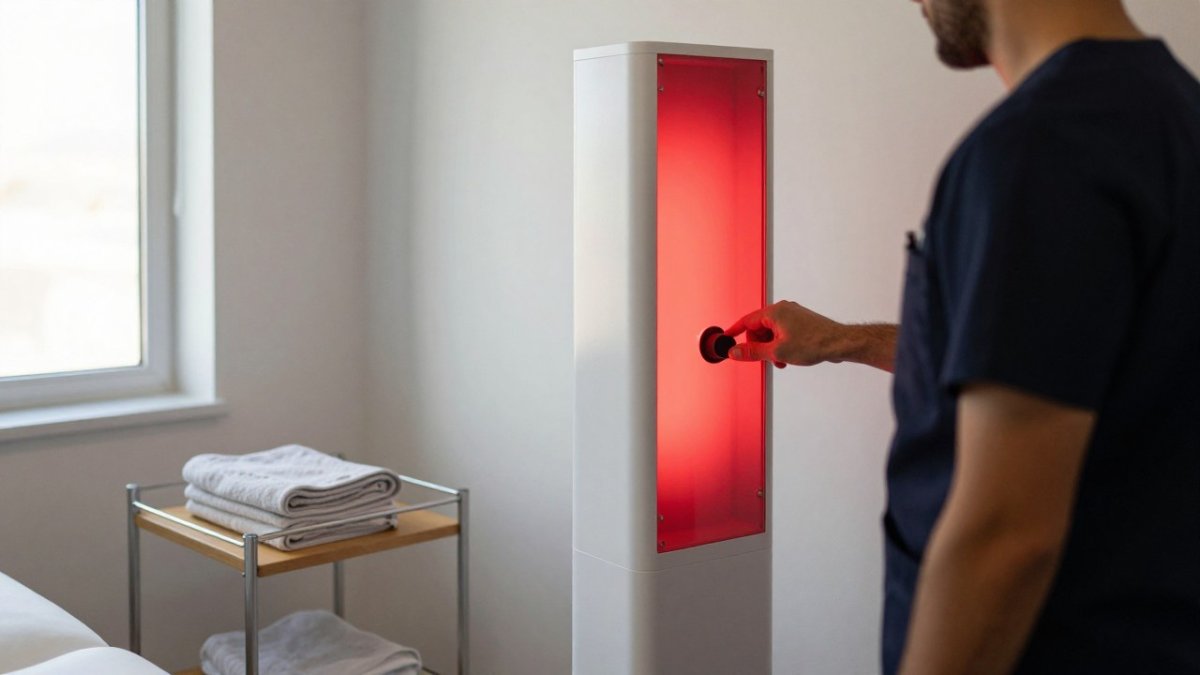
Handheld wands and small facial panels sit at the low end of the market. Full-body panels, therapy beds, and booth-style systems sit at the top. The jump in price tracks the jump in treatment capacity, not just size.
A portable unit treats one area at a time. A full-body system treats a client head to toe in a single session, which changes how many appointments you can run per room per day.
Wavelength, Irradiance, and Treatment Coverage
Wavelength determines how deep the light penetrates (Can infrared light really be doing what we claim it is doing? Infrared light penetration...). Irradiance measures how much energy reaches the skin per unit of time. Treatment coverage is the area the device can reach in one pass.
A device with weak irradiance forces longer sessions to deliver a meaningful dose. Longer sessions mean fewer bookings per day. That is a pricing problem disguised as a hardware spec.
Consumer, Professional, and Commercial-Grade Devices Compared
The gap between consumer and commercial-grade devices is not marketing language. It shows up in duty cycles, warranty terms, and whether the unit can run back-to-back sessions all day without overheating.
Consumer panels are built for home use: light duty, short sessions, limited warranty. Professional and commercial-grade machines are built for continuous operation in a spa or clinic, where the device is a revenue asset, not a personal gadget. A therapy panel rated for home use will not survive a full appointment calendar.
| Device Class | Built For | Duty Cycle | Warranty | Best For |
|---|---|---|---|---|
| Consumer | Home users | Short sessions | Limited | Personal use |
| Professional | Light commercial | Moderate use | Mid-range | Small studios |
| Commercial-grade | Full-day operation | Continuous | Extended | Spas, clinics, gyms |
When you compare quotes, ask for the duty cycle and warranty in writing. A cheap unit that fails in year two costs more than a commercial device that runs for a decade.
How to Evaluate Used Red Light Therapy Equipment Pricing for Spas
Used red light therapy equipment pricing for spas can look attractive until you price the risk. A pre-owned therapy bed with worn diodes may deliver a fraction of its original output, and you have no baseline to prove it.
Here is the checklist we would run before buying any used commercial device:
- Ask for the original irradiance spec and a current meter reading
- Confirm the diode count and whether any have been replaced
- Check the warranty transfer terms, if any exist
- Verify service and parts availability for the model
- Inspect the duty cycle rating against your expected session volume
- Get the maintenance history in writing
If a seller cannot produce the first two items, walk away. For a deeper breakdown of new versus refurbished med spa equipment, see our guide on comparing new vs refurbished med spa devices.
What Makes the Best Red Light Therapy Equipment for Spas
The best red light therapy equipment for spas is the device that matches your treatment capacity, your room layout, and your service menu, not the one with the longest feature list. Three criteria decide it: output you can verify, coverage that fits your space, and a service model that keeps the unit running.
Watch out: buying on LED count alone. Diode quality and irradiance matter more than raw numbers, and a high count with weak output still means long sessions.
Red Light Therapy Booth Cost and Full-Body System Options
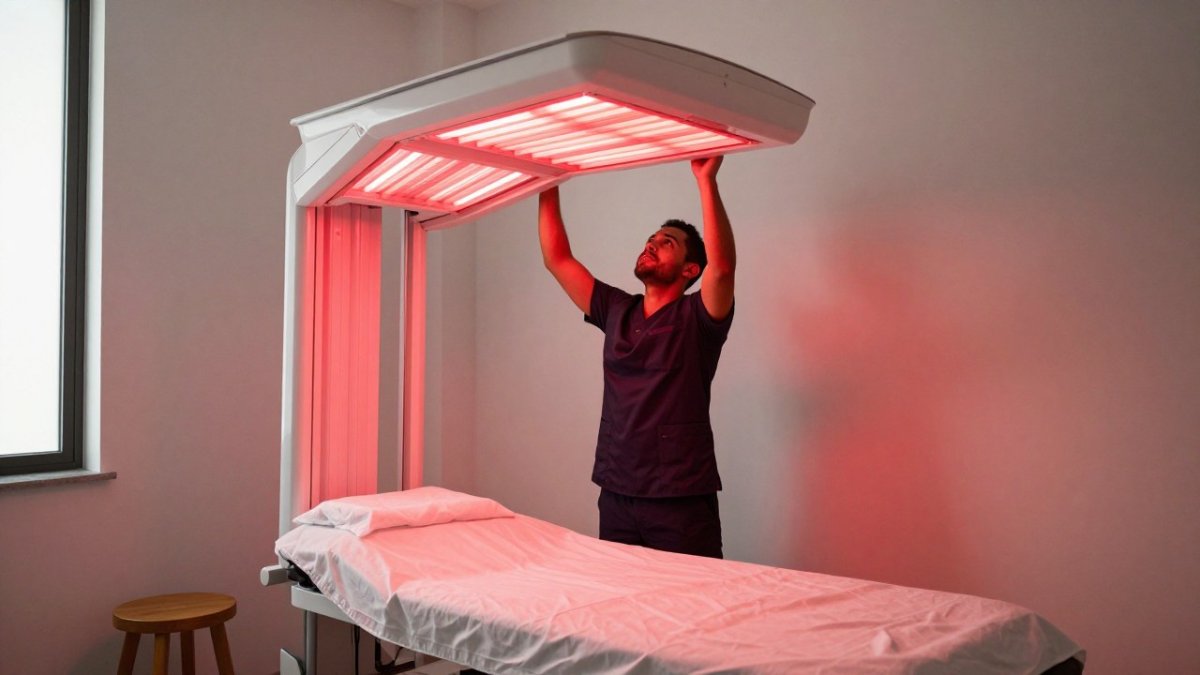
Red light therapy booth cost depends on the format: walk-in booth, open panel array, or full therapy bed. Booths trade flexibility for throughput. Beds trade floor space for full-body coverage in a single reclined session. Panels trade coverage per session for lower entry cost and easier room integration.
Pricing depends on quantity, configuration, delivery, and included accessories, so no typical cost range is given here. For current prices or a quote for Eternall Wellness systems, visit the Eternall Wellness website. Ask every supplier for a written configuration sheet so you can compare like for like.
Normalize the comparison before you decide. Four numbers make unlike products comparable: treatment area in square feet or square inches, irradiance at the treatment surface, wavelength set (for example, red and near-infrared), and duty cycle or continuous-run rating. A system that covers more area at higher irradiance can justify a higher price because it shortens session time and increases bookings per room per day. A cheaper system with weak irradiance forces longer sessions, which quietly reduces capacity. Divide the quoted price by treatment area and by rated irradiance to get rough cost-per-coverage and cost-per-output figures; they will not be perfect, but they expose outliers.
Total cost of ownership matters as much as the quote. Add shipping, rigging, installation, any electrical work for a dedicated circuit, staff training, extended warranty or service contract, replacement parts, and consumables such as eye protection and cleaning supplies. Financing adds interest and fees. A booth quoted below a competitor can lose its advantage once installation and a service contract are included. Ask for the warranty length, service response terms, and replacement-part availability in writing; for a business buyer, downtime is a cost the sticker price does not show.
Room footprint and workflow decide which format fits. A walk-in booth needs a dedicated room and clear egress; a bed needs a reclined treatment space and cleaning time between clients; a panel array can share a room with other services but may need repositioning. Estimate throughput as session length plus turnaround time (cleaning, client changeover, setup) multiplied by operating hours. A format that saves five minutes per session can add meaningful capacity over a year.
Watch out: comparing a consumer-grade panel to a commercial booth on price alone. They are different products with different duty cycles and service lives, and the cheaper unit may not survive a full appointment calendar. For a detailed cost and room-planning breakdown, read our red light therapy bed cost guide.
Full-Body Red Light Therapy Session Cost and Revenue Potential
Full-body red light therapy session cost at the spa level is a pricing decision, not a fixed market rate. What you charge depends on your local market, session length, and how you package treatment series.
Revenue comes from three levers: session fee, session volume, and use. A room that sits idle between bookings earns nothing. A room running a steady appointment calendar turns the device into a recurring revenue line.
Two things separate profitable red light programs from break-even ones. First, package pricing that encourages a treatment series rather than one-off sessions. Second, scheduling that fills the room. For pricing structures that sell, see our guide on pricing red light therapy packages.
Calculating ROI and Break-Even for Your Spa
ROI on red light equipment is simple arithmetic, but the inputs are where spa buyers go wrong. The formula is purchase price divided by monthly net revenue from the service, which gives your payback period in months. Net revenue means session income minus operating cost and any per-session fees. The hard part is building the inputs from realistic assumptions rather than a best-case week.
Start with a total cost of ownership (TCO) figure, not the sticker price. TCO includes the equipment price plus shipping, rigging or installation, electrical work if the room needs a dedicated circuit, staff training, extended warranty or service contract, replacement parts (diodes, fans, power supplies), and consumables such as eye protection and cleaning supplies. Financing adds interest and fees. A device quoted at one price can carry a materially different lifetime cost once those line items are added, so ask every supplier to itemize them in writing before you compare.
Session price and utilization are the variables to stress-test. Run low, base, and high utilization cases with your own figures before committing.
Financing can preserve capital, but the monthly payment becomes part of your break-even point. Model the payment against your conservative utilization case, not your optimistic one. For qualification steps, our wellness equipment financing guide walks through the process.
Watch out: treating payback as a single number. Run at least three cases (low, base, high utilization) and confirm the investment still works at the low end.
Request a Custom Equipment Quote from Eternall Wellness
Comparing red light systems across providers is hard because quotes rarely cover the same ground. Ask every supplier for the same key specifications, such as irradiance, duty cycle, warranty length, and service terms. Then compare.
That is the conversation we have with every facility owner. Eternall Wellness offers premium commercial wellness systems, financing options to preserve capital, and helps businesses evaluate potential ROI, utilization, and pricing before they commit.
Get started with Eternall Wellness and build a red light program that pays for itself.
The hardest part of buying red light equipment is not choosing a device. It is proving the numbers work before you sign. Eternall Wellness helps you model the revenue, the utilization, and the payback first, with financing available and systems designed for commercial facilities. Get started with Eternall Wellness and turn an idle treatment room into a revenue line.
Frequently Asked Questions
How much do spas charge for red light therapy sessions?
Session fees vary by market, device type, and treatment length. Many spas price a single full-body session in the range that covers operating costs and supports payback on the equipment, often bundling sessions into treatment series for better utilization. Because pricing depends on your location, customer base, and device capability, model session fees against your own equipment cost and capacity rather than relying on a flat national rate. For current pricing, visit the Eternall Wellness website.
Is used red light therapy equipment worth buying for a spa?
Used equipment can lower upfront cost, but verify wavelength accuracy, irradiance output, panel condition, and remaining warranty before buying. Ask for service records and confirm replacement parts are available. A cheaper used unit that underperforms on output or needs repairs can cost more over its life than a new commercial-grade device. Factor in installation, staff training, and any compliance checks, then compare total cost of ownership rather than sticker price alone.
How can a spa estimate the return on investment for red light therapy equipment?
Start with your purchase price, then estimate realistic session volume based on room availability and customer demand. Multiply expected sessions per week by your session fee to project monthly revenue, subtract operating costs, and divide the net by your upfront investment to find the payback period. Financing options are available to preserve capital, and Eternall Wellness helps businesses evaluate potential ROI, utilization, and pricing strategies.
What should a spa look for when comparing red light therapy equipment?
Compare wavelength, irradiance, treatment coverage, build quality, warranty terms, and service support side by side. Ask whether the device is built for commercial use, how many sessions per day it handles, and what training and maintenance come with it. Request like-for-like specifications so you are not comparing a handheld unit to a full-body system. Transparent device comparison and clear service terms matter as much as the purchase price.