 blog
5 Recovery Services for Physical Therapy Clinics
Last Updated: November 18, 2026
Quick Summary
The top 5 recovery services for physical therapy clinics are red light therapy, cold plunge, hyperbaric oxygen, thermal and infrared systems, and compression and percussion stations. Red light therapy ranks first because it fits the widest range of patients with the least disruption to clinic workflow.
- Red light therapy is passive, so patients simply sit or lie under a panel while a therapist finishes notes.
- Cold plunge works best as a targeted service with a clear sports medicine referral pathway.
- Hyperbaric oxygen suits clinics making a deliberate strategic bet on premium specialty services.
- Start with one low-burden, low-cost modality to test patient demand before adding more.
- Pick two or three outcome measures per service, such as pain ratings and range of motion.
Table of Contents
- Why Physical Therapy Clinics Are Adding Recovery Services
- How We Ranked the Top 5 Recovery Services
- 1. Red Light Therapy for Physical Therapy Clinics
- 2. Cold Plunge for Physical Therapy Clinics
- 3. Hyperbaric Oxygen Chambers
- 4. Thermal and Infrared Recovery Systems
- 5. Compression and Percussive Therapy Stations
- Choosing Recovery Equipment for Clinics: A Comparison Table
- Frequently Asked Questions
Why Physical Therapy Clinics Are Adding Recovery Services
Physical therapy clinics are adding recovery services because they extend care beyond the treatment room, keep patients engaged between visits, and create a new revenue line that does not depend on squeezing more appointments into a full schedule. Clinic owners evaluating this shift tend to find that recovery services work best when they are treated as a clinical add-on rather than a retail gimmick.
The reason is simple. Services that support those hours give patients a reason to stay connected to your clinic, and give you a way to serve them that does not compete for therapist time.
Recovery services in this context means equipment-supported modalities, such as light therapy, cold immersion, hyperbaric oxygen, thermal systems, and compression, that a clinic offers alongside hands-on care. They are not a replacement for skilled therapy. They are a layer that supports mobility, pain reduction, and return to activity between sessions.
That distinction matters for how you pitch them internally. If your therapists see the equipment as a threat to their billable time, adoption dies. If they see it as something that reinforces the plan of care, it becomes part of the clinic's identity.
How We Ranked the Top 5 Recovery Services
That is not the question a clinic actually has to answer. The question is which recovery services belong in a plan of care for the patients you already treat, and which ones you should refer out or skip entirely.
Patient need and clinical fit. Does the service address a problem your caseload actually presents, post-surgical stiffness, tendinopathy, delayed-onset muscle soreness, return-to-sport conditioning, or chronic pain? A modality that only fits a narrow referral stream is a specialty bet, not a general offering.
Evidence and mechanism. Is there a plausible physiological mechanism and a body of clinical experience behind the service, or is the case built mostly on marketing? We weighted services that practitioners commonly use as an adjunct to skilled therapy, not as a replacement for it.
Accessibility and equity. Can a broad range of patients use it, older adults, post-surgical patients in early phases, patients with mobility limitations, or does it require a fitness level or tolerance that excludes much of your caseload?
Cost and reimbursement reality. What does the patient pay out of pocket, and what does the clinic carry in equipment, consumables, staff time, and space? Most recovery services are cash-pay or membership add-ons rather than covered benefits, so the ranking weighs whether the price point is realistic for your patient mix.
Workflow and space impact. Does the service add capacity by running alongside care, or does it consume therapist time and treatment rooms? A modality that disrupts patient flow will not last.
Outcome measurability. Can you track whether it works, pain scores, range of motion, function, adherence, time to return to activity? Services that produce measurable change are easier to justify to patients, referrers, and your own team.
We did not rank on hype, on the size of the equipment, or on which supplier has the loudest booth. A service that scores well on patient need and workflow but modestly on revenue can still be the right first addition; a high-revenue service that disrupts flow or excludes most of your caseload usually is not.
Here is the short version of the ranking:
| Rank | Service | Best For | Main Trade-Off |
|---|---|---|---|
| 1 | Red light therapy | Broad patient base, low staff burden | Results build slowly |
| 2 | Cold plunge | Athletic and post-surgical recovery | Space and cleaning demands |
| 3 | Hyperbaric oxygen | Premium, specialty positioning | Documentation and compliance load |
| 4 | Thermal and infrared systems | Passive recovery, retention | Session time ties up rooms |
| 5 | Compression and percussion | Fast turnover, low cost | Perceived as a commodity |
For a deeper look at how equipment compares on ownership costs and documentation, our PT and chiropractic recovery equipment guide walks through the buying criteria we used here.
1. Red Light Therapy for Physical Therapy Clinics
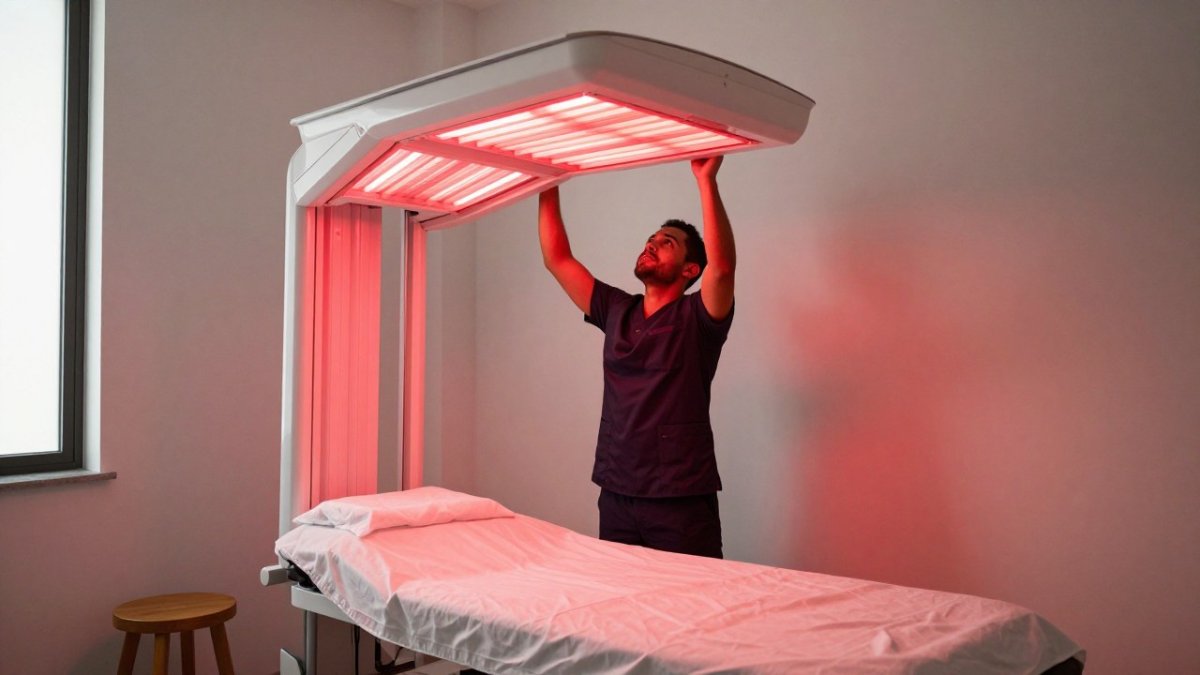
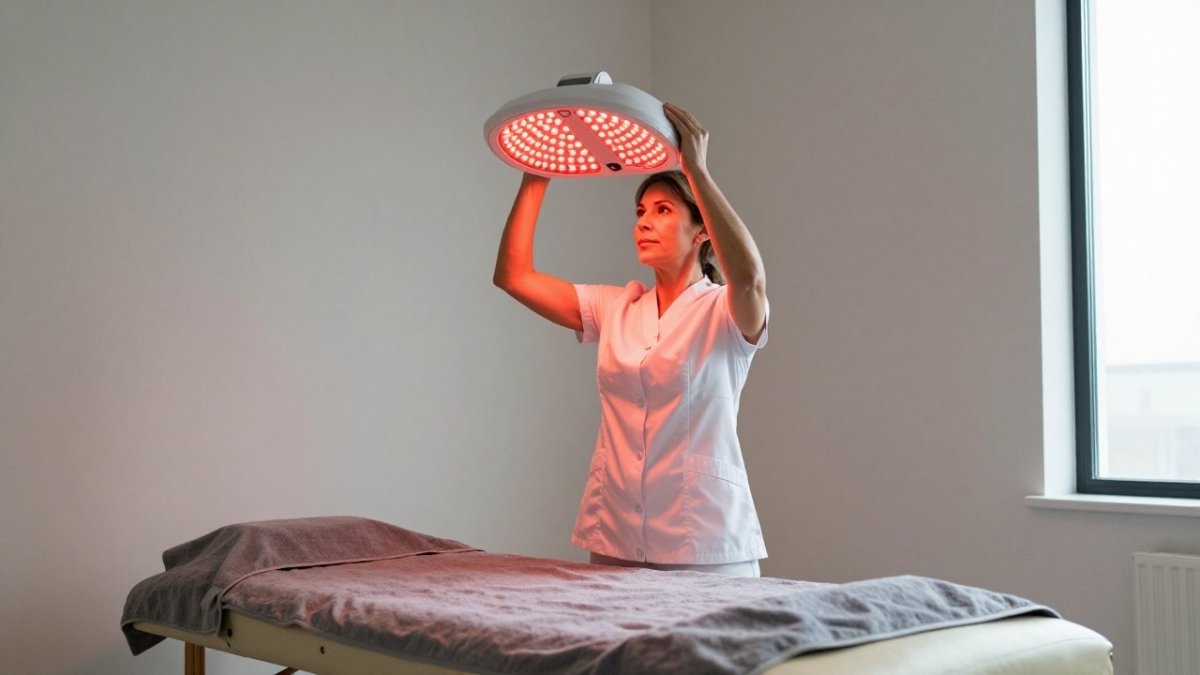
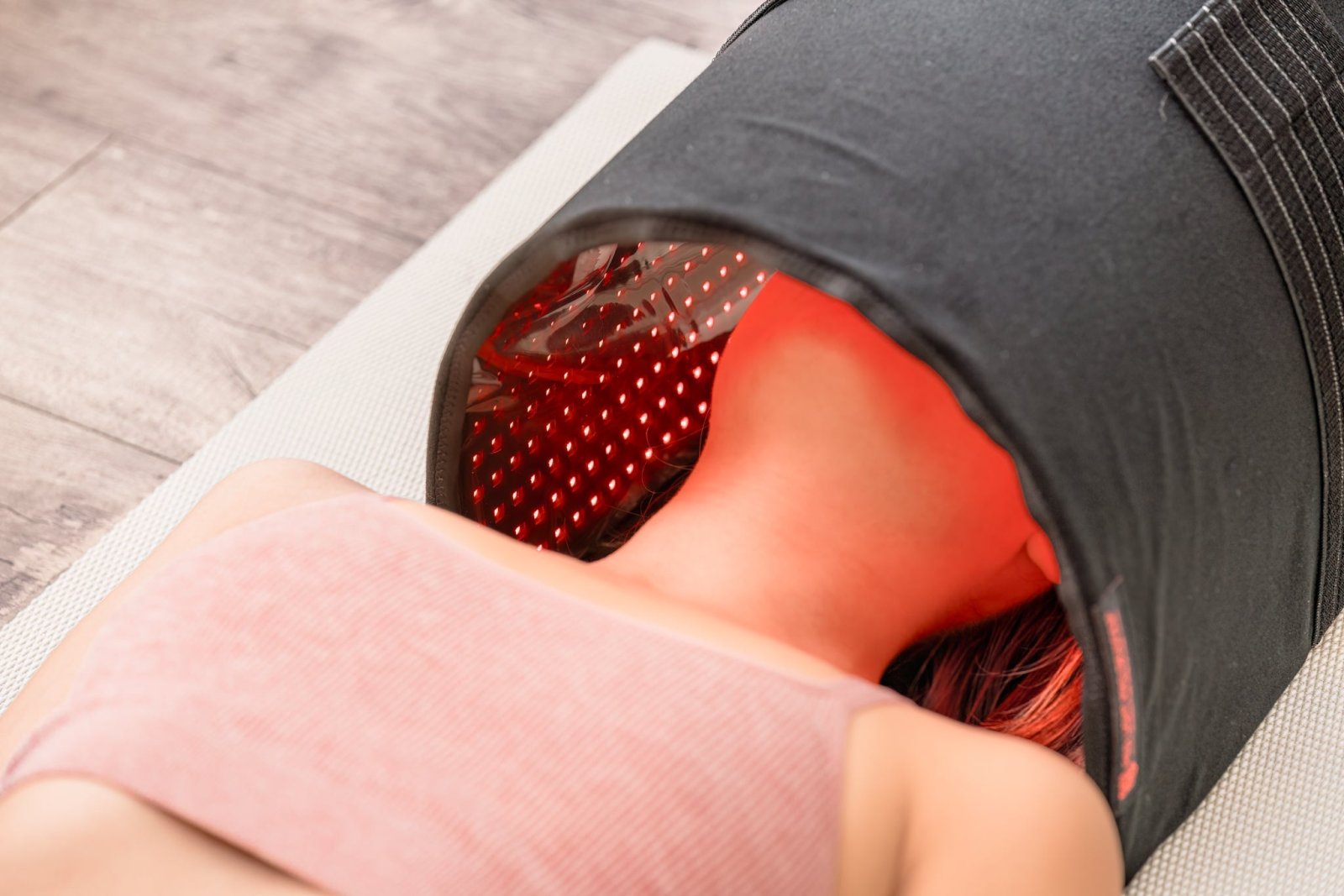
Red light therapy for physical therapy clinics earns the top spot because it fits the widest range of patients with the least disruption to how your clinic already runs. A patient can sit or lie under a panel while a therapist finishes notes, which means the modality adds capacity instead of consuming it.
What Red Light Therapy Does for Recovery
The clinical logic is that it is passive. The patient does not have to do anything except show up and sit still. That makes it usable for geriatric therapy patients who cannot tolerate aggressive protocols, and for post-surgical patients in early recovery phases.
Pros and Cons for Clinic Use
The drawbacks are equally real. Results are cumulative, so patients who expect a single-session fix will be disappointed. You also need to set realistic expectations in your intake conversation, or you will spend more time managing complaints than delivering care.
If you want to see the commercial hardware side of this category, our VersaDome Pro 2-in-1 red light therapy device shows how a full-coverage system is configured for clinic use.
Best for: clinics with a broad, mixed-age patient base. Skip if: your patients are almost entirely acute post-surgical cases needing hands-on care.
2. Cold Plunge for Physical Therapy Clinics
Cold plunge for physical therapy clinics works best as a targeted service for athletic and post-exercise recovery, not as a general offering for every patient who walks in. The clinics that succeed with it have a clear referral pathway, usually from sports medicine relationships or a sports injury population already in their caseload.
How Cold Immersion Fits a Rehab Protocol
Cold immersion is typically positioned after therapeutic exercise, as a recovery step that supports return to activity. It suits patients with endurance and strength goals who are training between sessions.
Operational and Safety Considerations
This is where cold plunge separates the prepared clinics from the optimistic ones.
A common mistake is underestimating cleaning labor. Budget the staff time before you budget the equipment. Our dry cold plunge vs. water cold plunge comparison covers the space, cleaning, and staffing differences between the two formats.
Best for: clinics with an athletic or sports medicine patient base. Skip if: you cannot commit consistent staff time to water maintenance.
3. Hyperbaric Oxygen Chambers
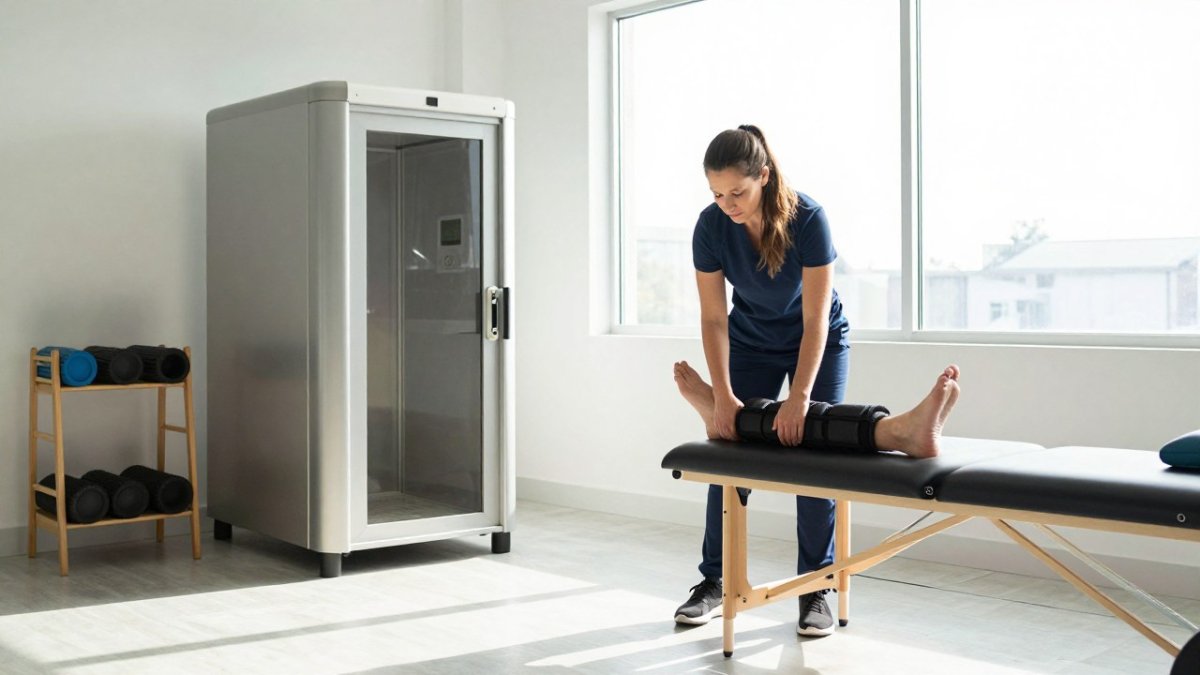
The clinics that buy them are usually making a deliberate strategic bet on specialty services, not filling an empty corner.
Our commercial hyperbaric chamber buyer's guide covers facility requirements and safety documentation in detail.
Best for: clinics building a premium specialty service line. Skip if: you cannot assign dedicated trained staff to operate it.
4. Thermal and Infrared Recovery Systems
The trade-off is time and space. A sauna session ties up a room for a defined block, so you need use high enough to justify the footprint.
For the clinical and commercial differences between the two formats, see our comparison of infrared vs traditional sauna for recovery.
Best for: clinics with a membership or wellness component. Skip if: your rooms are already at capacity with billable treatment.
5. Compression and Percussive Therapy Stations
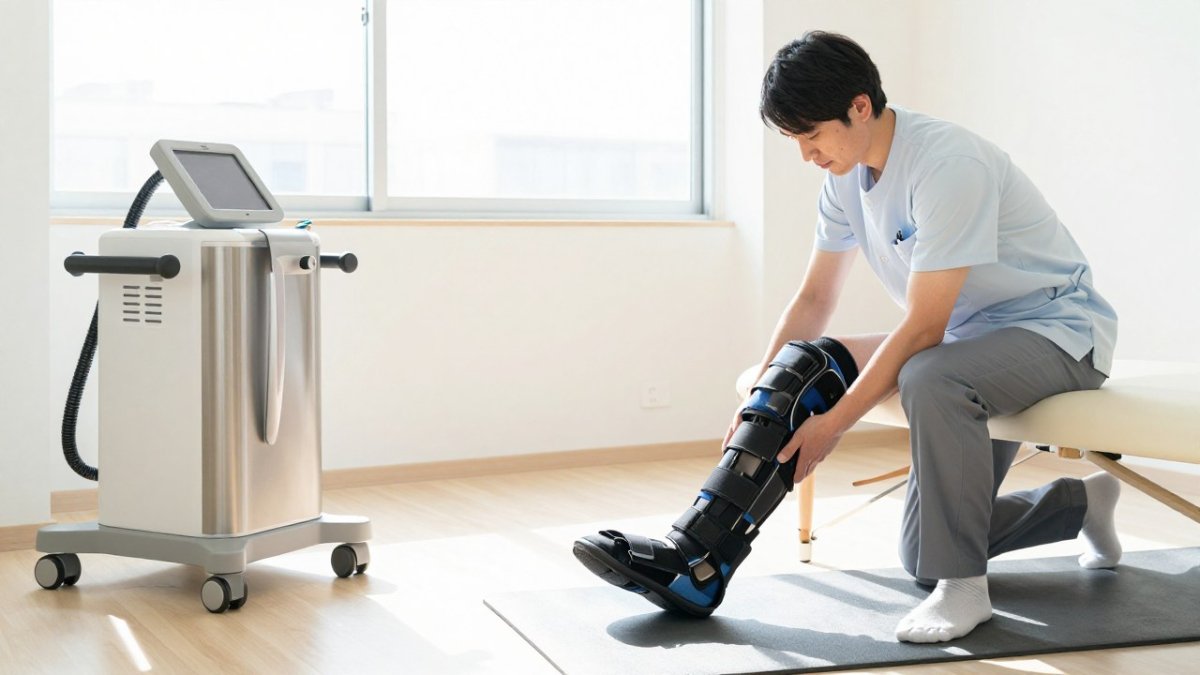
Compression and percussive stations rank fifth because they are the easiest to add and the easiest to copy.
Best for: clinics piloting recovery services with minimal risk. Skip if: you need a service that clearly separates you from competitors.
Choosing Recovery Equipment for Clinics: A Comparison Table
Choosing recovery equipment for clinics comes down to matching the modality to your patient mix, your space, your staffing reality, and your patients' ability to pay, not to which technology sounds most advanced. The table below is a starting filter, but the columns that matter most are the ones most buyers skip: what the patient pays, what is covered, and how you will know it worked.
| Service | Staff Time per Session | Space Needed | Documentation Load | Typical Patient Cost Model | Coverage Reality | Outcome Measures to Track |
|---|---|---|---|---|---|---|
| Red light therapy | Low | Small to medium | Low | Cash-pay session or package | Rarely covered as a standalone benefit | Pain score, range of motion, patient-reported function |
| Cold plunge | Medium | Medium, drainage needed | Medium | Membership or per-session fee | Generally not covered | Soreness ratings, return-to-activity time, adherence |
| Hyperbaric oxygen | High | Large, ventilation needed | High | Premium package pricing | Covered only for specific indications; most wellness use is cash-pay | Documentation of indication, session tolerance, functional change |
| Thermal and infrared | Low to medium | Medium | Low to medium | Membership add-on | Not covered | Relaxation and adherence, pain scores, retention |
| Compression and percussion | Low | Small | Low | Low per-session fee or bundled | Not covered | Soreness, circulation comfort, adherence |
Cost and reimbursement reality. That means your pricing has to be transparent and your front desk has to be comfortable explaining what the patient pays and why. Build a simple fee schedule before you build the room.
Outcome measurement. Pick two or three measures per service and collect them consistently, a pain rating, a range-of-motion check, a function question, and an adherence count are enough to start. Services that show measurable change are easier to keep, easier to refer into, and easier to defend when a patient asks whether the add-on is worth it.
Implementation and referral workflow. The clinics that get the most from recovery services have a written pathway: who assesses the need, who explains the service and the cost, who documents it, and when the patient is re-checked. Without that pathway, the service becomes a front-desk upsell and adoption fades.
A practical way to sequence this: start with one low-burden, low-cost modality to test patient demand and your documentation workflow, then add a higher-consideration service once you have use data and outcome measures in hand. Clinics that add three modalities at once usually end up with three underused rooms and no clear evidence of what worked.
Frequently Asked Questions
What recovery services can a physical therapy clinic offer?
Clinics commonly add red light therapy, cold plunge, hyperbaric oxygen chambers, thermal and infrared systems, and compression or percussive therapy stations. Each service supports a different phase of recovery, from reducing soreness after therapeutic exercise to improving circulation and range of motion. The right mix depends on your patient population, available space, and whether you want to serve post-surgical, sports injury, or chronic pain cases. Start with one or two modalities that match your existing treatment plans.
Is red light therapy useful for physical therapy clinics?
Red light therapy is one of the easiest recovery services to integrate because sessions are short, non-invasive, and require minimal staff supervision. It is often used alongside therapeutic exercise to support tissue recovery and pain reduction. For clinics, the appeal is throughput: a single device can serve multiple patients per hour, and it fits naturally into an existing appointment schedule. Confirm the device is cleared for commercial use and train staff on session timing and contraindications before launch.
How should a clinic choose recovery equipment for clinics?
Evaluate recovery equipment for clinics on five criteria: clinical fit with your patient population, space and installation requirements, staff training and operating complexity, reimbursement or cash-pay revenue potential, and vendor support over the equipment's lifespan. Ask for utilization projections and a clear service workflow, not just a spec sheet. Financing options can preserve capital, but confirm the payback timeline against realistic patient volume before committing to any modality.
How can recovery services help physical therapy clinic patient retention?
Recovery services give patients a reason to return between formal therapy sessions and after discharge. A cold plunge or red light session can become a recurring add-on that keeps your clinic top of mind and builds a habit of care. Track visit frequency and rebooking rates before and after launch to measure the effect.