 listicle
Best Recovery Equipment for Med Spas: 2026 Guide
Table of Contents
- Why Med Spas Are Adding Recovery Equipment
- Recovery Equipment Comparison Table
- Red Light Therapy and Infrared Systems for Aesthetic Clinics
- Hyperbaric Oxygen Therapy and Advanced Modalities
- Med Spa Wellness Service Diversification Strategy
- Med Spa Equipment ROI Analysis and Pricing Models
- Staff Training, Compliance, and Facility Integration
- Conclusion: Selecting the Right Recovery System for Your Clinic
Last Updated: August 20, 2026
Why Med Spas Are Adding Recovery Equipment
The recovery equipment market for aesthetic clinics has shifted dramatically. Five years ago, most med spas treated recovery as an afterthought. Today, it's a revenue driver and competitive necessity.
Clients increasingly expect integrated wellness experiences rather than visiting separate clinics for aesthetic treatments and recovery. Med spas that recognize this gap capture significant additional revenue through complementary modalities. Facilities adding recovery equipment report stronger client retention, higher lifetime value per customer, and the ability to fill idle treatment rooms during off-peak hours.
Recovery equipment transforms a med spa's value proposition. Instead of clients leaving after a microneedling session, they stay for post-procedure recovery optimization. Instead of empty treatment rooms during slow afternoons, you're running back-to-back recovery sessions. The business case is straightforward: lower overhead per treatment, higher client retention, and new revenue streams.
The challenge most med spa owners face is understanding which modalities align with their existing client base, facility constraints, and financial capacity. This guide walks through the best recovery equipment options, how to evaluate ROI, and what integration looks like in practice.
Recovery Equipment Comparison Table
| Equipment Type | Primary Benefit | Client Appeal | Facility Space | Typical Setup Time |
|---|---|---|---|---|
| Red Light Therapy | Collagen stimulation, inflammation reduction | Non-invasive, painless | Minimal (wall-mounted) | 2-4 weeks |
| Hyperbaric Oxygen | Tissue repair, vascular health | Dramatic results visible | Moderate (dedicated chamber) | 6-8 weeks |
| PEMF Therapy | Cellular health, recovery acceleration | Passive, relaxing | Minimal (mat or pad) | 1-2 weeks |
| Radiofrequency Systems | Skin tightening, tissue remodeling | Visible tightening | Minimal to moderate | 3-5 weeks |
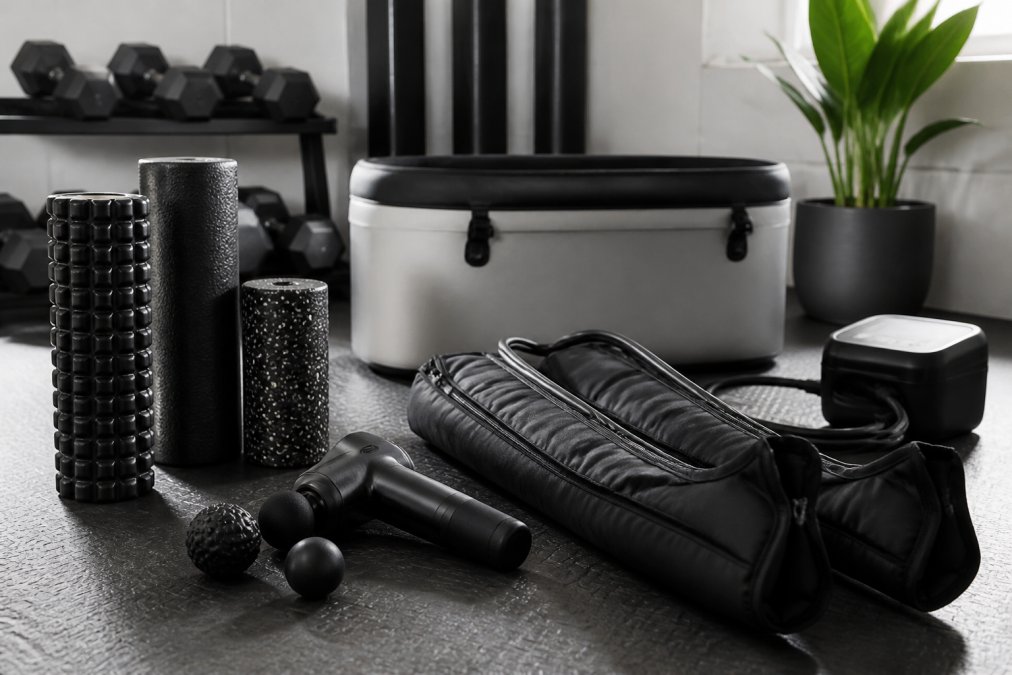
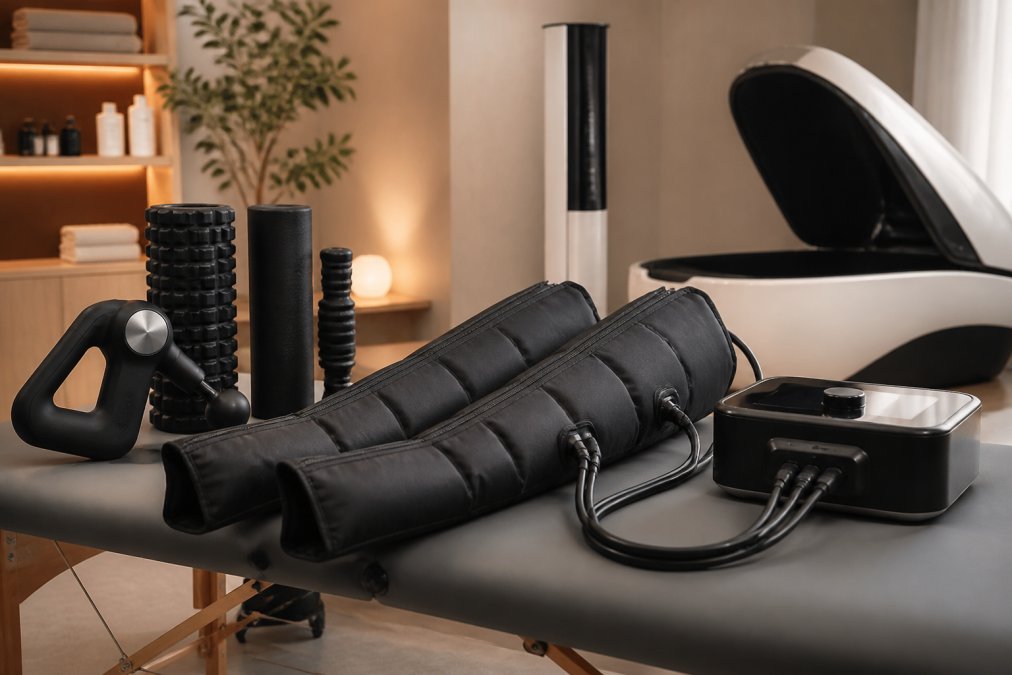
| Compression Therapy | Lymphatic drainage, muscle recovery | Immediate relief sensation | Minimal (leg sleeves) | 1 week |
| Massage & Recovery Tools | Muscle tension relief | Hands-on therapeutic feel | Minimal | Immediate |
Red Light Therapy and Infrared Systems for Aesthetic Clinics
Red light therapy and near-infrared systems represent the most accessible entry point for med spas adding recovery equipment. These non-invasive modalities stimulate cellular mitochondrial function, supporting collagen production and inflammation reduction. The clinical efficacy for post-procedure recovery is well-documented.
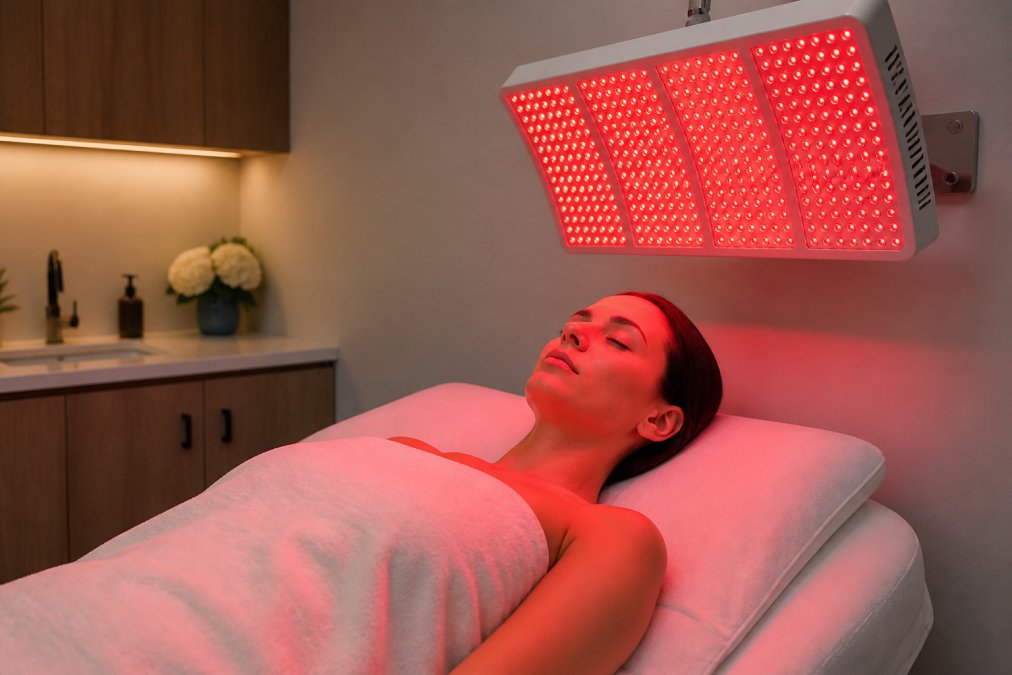
What makes red light systems attractive is the low barrier to entry. Wall-mounted panels integrate seamlessly into existing treatment rooms with minimal facility modifications. Installation typically takes 2-4 weeks, and operational complexity is straightforward.
Clients who've undergone microneedling, chemical peels, or laser treatments benefit from red light therapy during post-procedure recovery. The biostimulation effect accelerates tissue repair and reduces inflammation, meaning clients experience less downtime and return to normal activities faster.
Most med spas position red light therapy as add-on services at $50-150 per 20-30 minute session, or bundled with aesthetic procedures. The equipment investment is moderate, and use rates tend to be strong because the service integrates naturally into post-procedure protocols. Red light systems require minimal maintenance and no specialized technical expertise to operate.
Hyperbaric Oxygen Therapy and Advanced Modalities
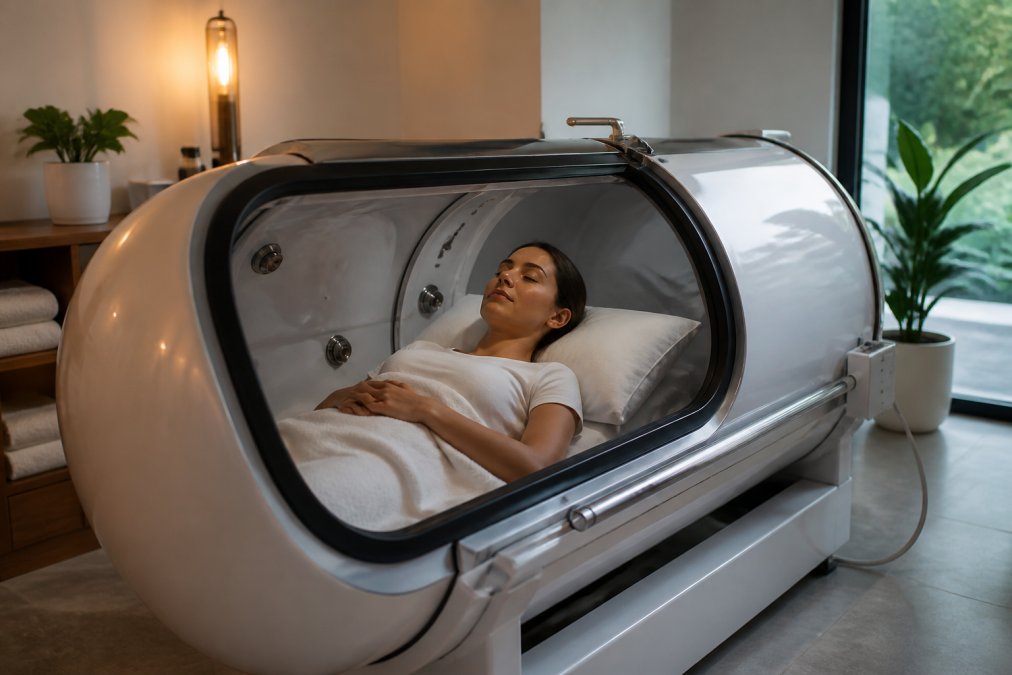
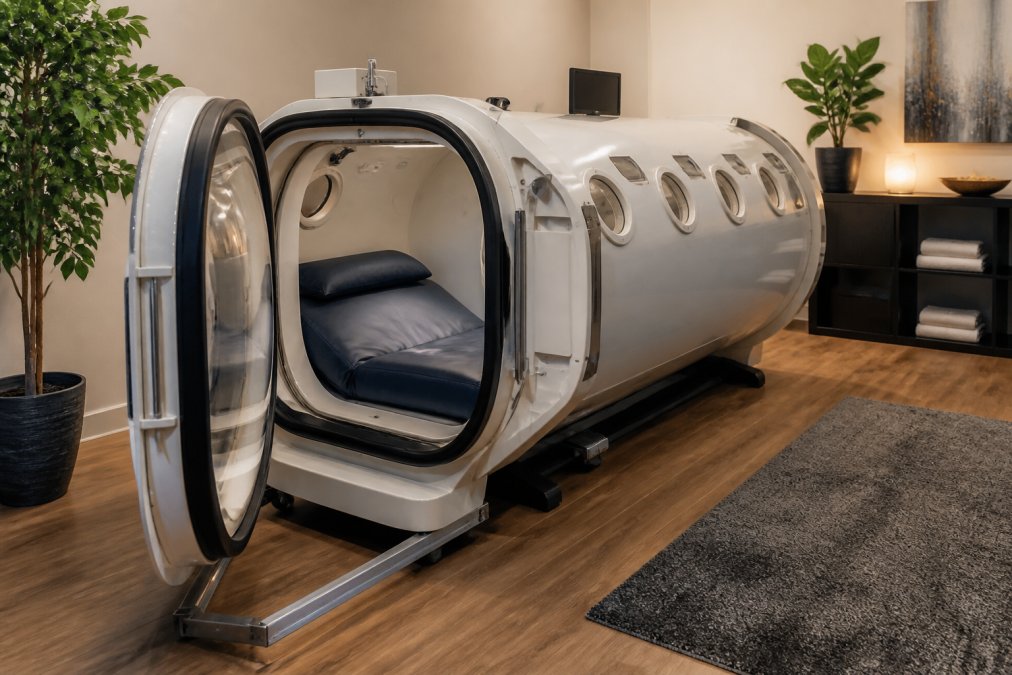
Hyperbaric oxygen therapy (HBOT) represents the premium tier of recovery equipment. These chambers deliver 100% oxygen at elevated atmospheric pressure, dramatically increasing oxygen absorption at the cellular level. Treatment outcomes include accelerated tissue repair, enhanced vascular health, and visible inflammation reduction.
For aesthetic clinics, HBOT creates a powerful differentiator. Clients seeking to optimize recovery after significant procedures, extensive microneedling, ablative laser treatments, or surgical procedures seek out facilities offering hyperbaric chambers.
The operational reality is more complex than red light systems. Hyperbaric chambers require dedicated facility space, proper ventilation, electrical infrastructure, and comprehensive safety protocols. Installation typically takes 6-8 weeks, and staff must be trained in chamber operation and safety procedures. Regulatory compliance is stricter than other modalities.
Hyperbaric sessions typically command $250-400 per 60-minute treatment. Use rates depend heavily on marketing and client base positioning. HBOT works exceptionally well as a post-procedure optimization tool and attracts wellness-focused clients interested in general recovery.
PEMF (Pulsed Electromagnetic Field) therapy deserves mention as a complementary advanced modality. PEMF systems use electromagnetic pulses to stimulate cellular function and support recovery. These devices require minimal space, are non-invasive, and clients experience them passively. PEMF integrates well alongside hyperbaric chambers or as a standalone offering.
Med Spa Wellness Service Diversification Strategy
Adding recovery equipment is about expanding your service menu and creating new revenue streams. Start by assessing your current client base and their unmet needs. Are your aesthetic clients asking about recovery optimization? Do you have idle treatment room capacity during specific hours?
Recovery services should complement your existing aesthetic offerings, not compete with them. A client finishing microneedling naturally transitions to red light therapy. A client considering a significant aesthetic procedure is educated about hyperbaric oxygen as a post-treatment investment.
Facility layout and space planning are practical constraints that often get overlooked. Before committing to equipment, map out where systems will physically live. Red light panels fit into existing treatment rooms. Hyperbaric chambers require dedicated space. Understanding these spatial requirements prevents expensive installation delays.
Your team needs to understand each modality, how it works, what clients should expect, contraindications, and proper operation protocols. Facilities that invest in proper staff training see higher client satisfaction and stronger service use.
Med Spa Equipment ROI Analysis and Pricing Models
Understanding ROI is essential before committing capital to recovery equipment. The basic formula is: (Monthly Revenue from Service) minus (Monthly Equipment & Operational Costs) equals Monthly Profit. Most equipment pays for itself within 18-36 months of operation.
Use rates drive everything. A red light therapy system generating three sessions per day at $75 per session creates $225 daily revenue. Over 20 working days monthly, that's $4,500 revenue. Subtract equipment maintenance, staff time, and facility costs for meaningful monthly profit.
Pricing strategy significantly impacts ROI. Some facilities position recovery services as premium add-ons to aesthetic treatments, commanding higher per-session pricing. Others use recovery equipment as a client retention tool, pricing competitively to maximize use volume. Both strategies work; the key is understanding your market.
Equipment financing options allow you to spread costs over time while preserving working capital for marketing, staffing, and operations. This lets you add recovery services without depleting cash reserves.
The hidden ROI factor is client retention. Recovery equipment clients tend to become more loyal, higher-lifetime-value customers. They visit more frequently, spend more per visit, and refer friends more actively.
Staff Training, Compliance, and Facility Integration
Equipment ownership creates operational responsibilities extending beyond installation. Your team needs competent training, and your facility needs proper compliance protocols.
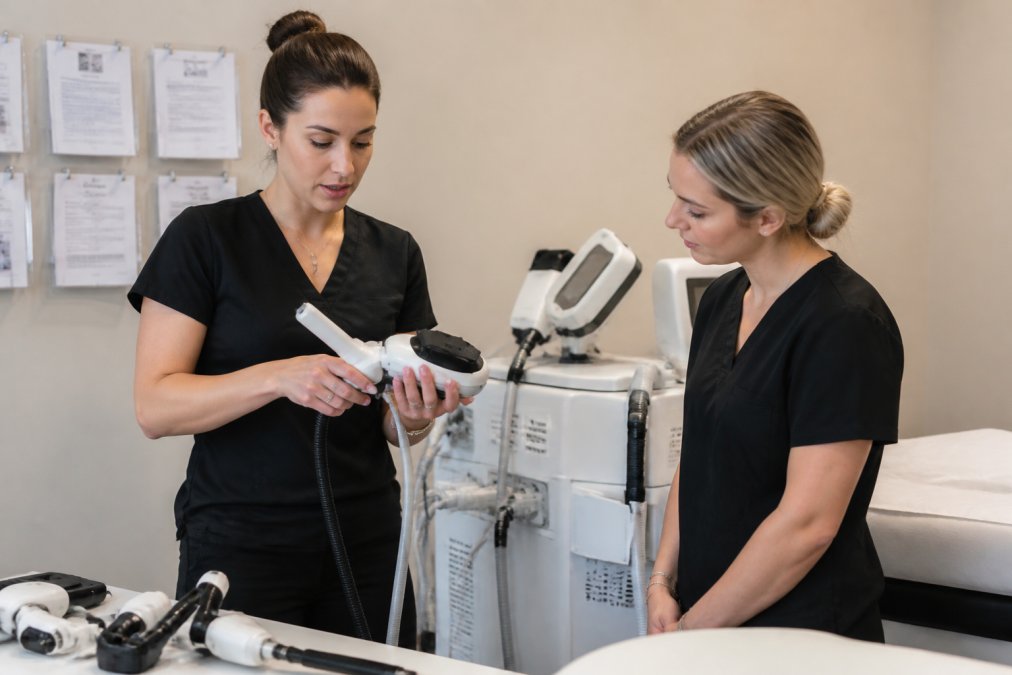
Staff training should cover operational competency, client communication, and safety protocols. Operational training ensures your team can properly set up equipment, adjust settings, and troubleshoot basic issues. Client communication training helps staff explain benefits and manage expectations confidently. Safety protocol training covers contraindications, emergency procedures, and proper equipment maintenance.
Compliance considerations vary by modality. Hyperbaric chambers face stricter regulatory oversight than red light systems. Your facility needs proper medical device licensing, safety certifications, and documented maintenance protocols. Before purchasing equipment, research the compliance requirements in your jurisdiction.
Sanitization and maintenance protocols are non-negotiable. Establish clear cleaning procedures for each modality, what gets cleaned after each use, what requires weekly deep cleaning, what needs monthly maintenance. Document these protocols and ensure your team follows them consistently.
Facility integration goes beyond plugging in equipment. You need adequate electrical infrastructure, proper ventilation, appropriate lighting, and comfortable client spaces. Planning these details during equipment selection prevents costly modifications later.
Verify that your current malpractice and general liability coverage extends to new recovery modalities. Some equipment types may require additional coverage. Discuss this with your insurance broker before adding services.
Conclusion: Selecting the Right Recovery System for Your Clinic
Choosing the right recovery equipment requires honest assessment of your facility's current state, your client base's needs, and your financial capacity. The best equipment is the system you'll actually use and market effectively.
Start with red light therapy if you're testing the recovery equipment market. The low barrier to entry, straightforward operations, and strong client appeal make it an ideal first step. Once you've proven use and client demand, you can confidently invest in more advanced modalities like hyperbaric chambers or radiofrequency systems.
The med spas that succeed with recovery equipment treat it as a long-term business investment. They train their staff properly, integrate services thoughtfully into their client experience, and market the benefits consistently. They understand their specific market and price accordingly, staying committed through the use-building phase until the equipment becomes a natural, profitable part of their operation.
Frequently Asked Questions
What recovery equipment makes the most sense for a smaller med spa with limited space?
Smaller clinics benefit from modular, space-efficient systems like red light therapy panels, PEMF devices, and compression recovery tools that mount on walls or integrate into existing treatment rooms. These generate revenue per session while requiring minimal square footage. Start with one high-demand modality that complements your current services, this builds staff expertise and client familiarity before expanding. Many smaller facilities report strong ROI on red light therapy systems within 12-18 months due to high utilization and low operational complexity.
How quickly do recovery equipment systems pay for themselves in a med spa?
Payback depends on utilization, pricing, and patient appeal. High-demand modalities like red light therapy and compression recovery typically generate revenue within 12-24 months when priced appropriately and integrated into existing client journeys. Hyperbaric chambers and advanced systems may require 24-36 months but support premium service positioning and client retention. The key is realistic utilization projections, survey your existing client base and assess treatment demand before purchasing. Financing options allow you to spread costs while revenue flows, reducing upfront capital strain.
What regulatory and safety compliance do I need to handle for commercial recovery equipment?
Requirements vary by modality. Hyperbaric chambers require FDA compliance and operator certification. Red light therapy systems must meet FDA clearance standards for medical claims. All equipment needs proper maintenance protocols, staff training documentation, and liability insurance. Your equipment provider should supply compliance guidance, but you remain responsible for facility-level safety protocols, staff training records, and adherence to state and local health department regulations. Consult your liability insurance provider and local health authority before launching new services.
How important is staff training for operating recovery equipment safely and effectively?
Staff training is critical for safety, client outcomes, and revenue protection. Hyperbaric chambers require specialized operator certification. Red light therapy and other modalities need proper protocols for treatment duration, client positioning, and contraindication screening. Inadequate training increases liability risk and reduces client satisfaction. Most reputable equipment providers include initial staff training and ongoing support. Budget for staff time during setup and plan refresher training annually. Well-trained staff also become your best salespeople, they understand treatment benefits and can recommend modalities confidently to clients.
Recovery equipment represents a genuine opportunity for med spas to strengthen client relationships, optimize facility utilization, and create sustainable new revenue. The technology is proven, the client demand is real, and the business case is solid when you approach it strategically. Get started with Eternall Wellness to evaluate which recovery modalities align with your clinic's goals, and let our team guide you through integration, staff training, and ROI optimization.
This article was written using GrandRanker