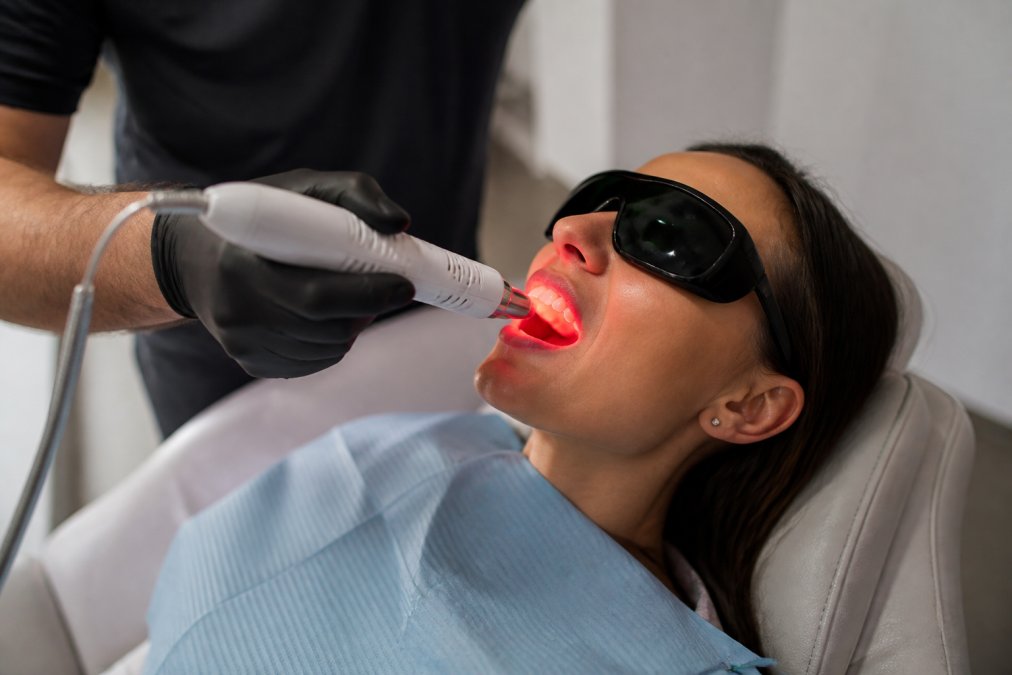
 ultimate-guide
Can Red Light Therapy Regrow Gums? What Research Shows
Table of Contents
- The Short Answer: What Red Light Therapy Can and Cannot Do for Gums
- How Photobiomodulation Works on Oral Tissues
- Photobiomodulation for Gingivitis: What the Research Shows
- Verified Benefits: Inflammation Reduction and Wound Healing
- How to Treat Receding Gums at Home with Red Light Therapy
- Red Light Therapy Safety for Oral Tissue: What You Need to Know
- Why Red Light Therapy Works Best as Part of a Complete Oral Health Plan
- Frequently Asked Questions
Last Updated: August 31, 2026
The Short Answer: What Red Light Therapy Can and Cannot Do for Gums
Red light therapy cannot regrow gums that have receded or been lost to periodontal disease. However, it has demonstrated measurable benefits for gum health when used as part of comprehensive oral care: it reduces inflammation, accelerates wound healing after dental procedures, and improves blood circulation to gingival tissues. The confusion stems from marketing that presents red light therapy as a standalone solution for gum recession. In reality, photobiomodulation works best as a complementary treatment that enhances existing periodontal care, not replaces it. For gym owners, med spa directors, and wellness clinic managers considering this service, this distinction is critical for client satisfaction and retention.
How Photobiomodulation Works on Oral Tissues
Photobiomodulation is the process by which specific wavelengths of light stimulate cellular energy production at the mitochondrial level. When red and near-infrared light (typically 600-1000 nanometers) penetrates oral tissues, it reaches the chromophore cytochrome c oxidase in the mitochondrial electron transport chain, increasing adenosine triphosphate (ATP) production, the energy currency cells use for repair and regeneration (peer-reviewed research).
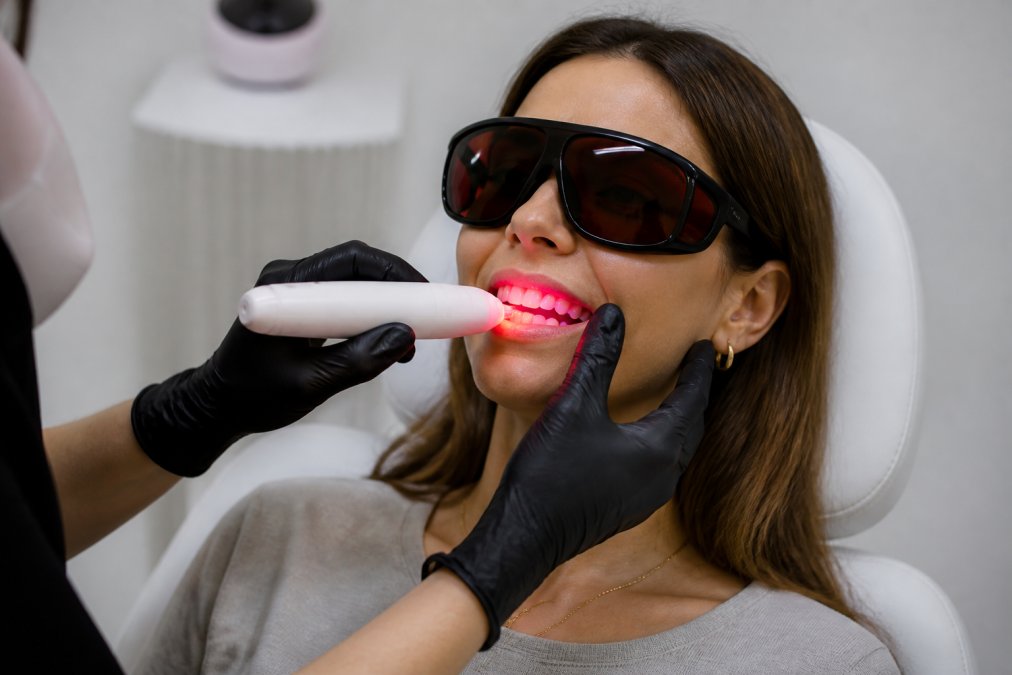
In gingival tissue, this energy boost triggers cascading effects: fibroblasts become more active, synthesizing collagen; inflammatory cytokines decrease, reducing swelling and redness; blood vessel formation improves, delivering oxygen and nutrients to damaged areas; and mitochondrial stimulation enhances the tissue's capacity to resist oxidative stress, a primary driver of periodontal disease progression.
Wavelength and irradiance matter considerably. Lower wavelengths (600-700 nm) penetrate shallow tissues like the gingival epithelium, while longer wavelengths (800-1000 nm) reach deeper periodontal structures. Irradiance, power density measured in milliwatts per square centimeter, determines how effectively light stimulates cellular energy production. Professional-grade systems specify exact parameters rather than relying on generic devices. For facilities offering this service, understanding these mechanics helps communicate credibly about realistic outcomes and proper protocols.
Photobiomodulation for Gingivitis: What the Research Shows
Gingivitis, inflammation of gingival tissue caused by bacterial plaque, responds measurably to photobiomodulation. Inflammation reduction is one of the most consistently documented benefits. Red light therapy reduces pro-inflammatory cytokines like TNF-alpha and IL-6 while increasing anti-inflammatory cytokines, shifting the tissue environment toward healing (peer-reviewed research).
With consistent application over weeks, gingival tissues show visible improvement: less bleeding during brushing, reduced swelling, and improved color. This synergistic effect is important, red light therapy accelerates the tissue's natural healing capacity but cannot overcome poor brushing technique or continued plaque accumulation. The therapy works best when clients commit to daily mechanical cleaning alongside light sessions.
For med spas and wellness clinics, positioning red light therapy as an enhancement to, not replacement for, standard oral hygiene is critical for managing expectations and ensuring satisfaction.
Verified Benefits: Inflammation Reduction and Wound Healing
The strongest evidence for red light therapy in oral health centers on two outcomes: reducing gingival inflammation and accelerating post-surgical healing.
Inflammation Reduction
Gingival inflammation drives periodontal disease progression. Red light therapy interrupts this cycle by reducing inflammatory signaling at the cellular level. Clients notice less bleeding when flossing, reduced gum sensitivity, and improved gum appearance. These visible changes build confidence in the therapy and drive retention.
Wound Healing After Dental Procedures
Post-surgical applications show particularly strong results. After scaling and root planing, tooth extractions, or implant placement, photobiomodulation accelerates tissue repair. Increased ATP production and improved blood circulation deliver more oxygen and nutrients to the surgical site. Collagen synthesis accelerates. Clients experience less post-operative pain and swelling, improving their satisfaction with your facility.
This benefit extends to other oral procedures. Orthodontic patients experience reduced discomfort and faster tooth movement. Implant patients show faster osseointegration. These outcomes make red light therapy a logical service addition for facilities already offering dental services or partnering with dental practices.
Tissue Regeneration Limitations
While inflammation reduction and wound healing are verified, true tissue regeneration, growing back lost gingival tissue or bone, remains unproven. Some marketing claims suggest red light therapy can "regenerate" receded gums, but this oversells the evidence. Photobiomodulation cannot reverse advanced periodontal disease or restore lost bone. It can optimize healing conditions and slow further progression, but cannot undo structural damage. This distinction is crucial for client communication.
How to Treat Receding Gums at Home with Red Light Therapy
Proper application protocol matters: device type, wavelength, duration, and frequency all affect outcomes.
Device Selection
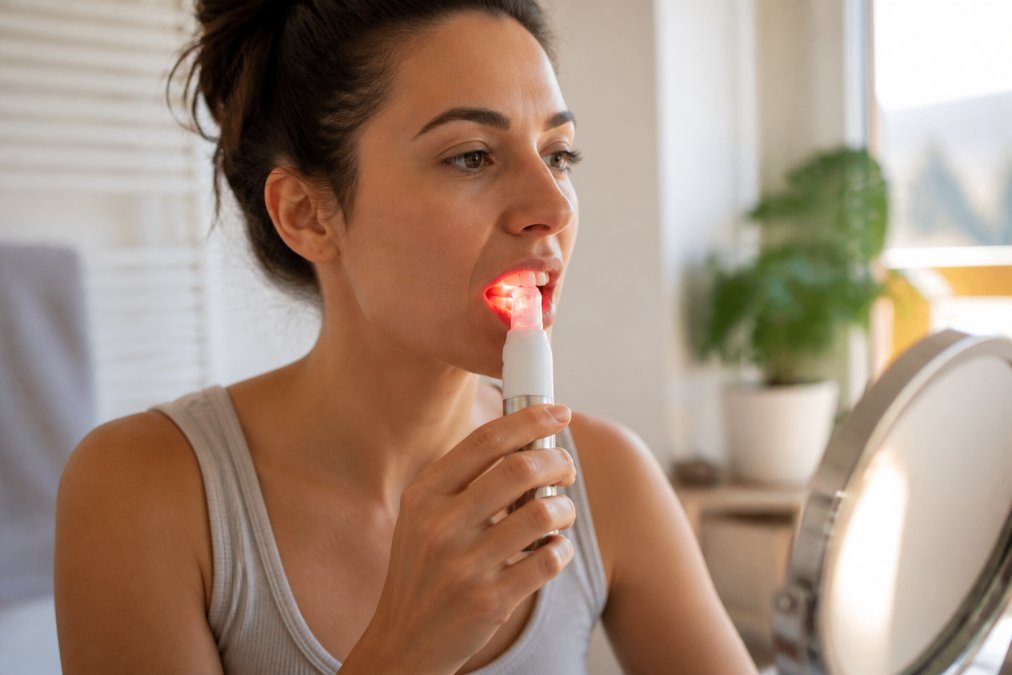
Handheld red light therapy devices designed for oral use are most practical for home application. These typically emit wavelengths in the 630-850 nm range, penetrating gingival tissue effectively without excessive heat. Professional-grade devices specify exact irradiance levels and treatment duration. Consumer-grade devices vary widely in quality and effectiveness, with some delivering insufficient irradiance to stimulate meaningful cellular response. For facilities offering this service, professional-grade equipment ensures consistent, measurable results.
Treatment Protocol
Typical home protocols recommend 10-20 minutes of red light therapy applied directly to affected gingival areas, 3-5 times per week. The device is held at the gum line, angled to allow light penetration into periodontal tissues. Consistency matters more than intensity. A client using the device 3 times weekly for 8 weeks will see better results than someone using it sporadically.
Treatment should complement, not replace, daily brushing and flossing. Clients often ask whether red light therapy reduces the need for good oral hygiene. The answer is no. The therapy enhances healing and reduces inflammation, but mechanical cleaning remains essential for preventing plaque accumulation and bacterial overgrowth.
Synergistic Treatments
Red light therapy combines effectively with other oral health interventions. Scaling and root planing followed by red light therapy shows superior outcomes compared to either treatment alone. Some facilities offer red light therapy immediately after professional cleanings, positioning it as a premium add-on service. For gym owners and wellness clinic managers, this synergy creates a business opportunity: a client receiving a professional cleaning can add a 15-minute red light therapy session at a premium price point, increasing per-visit revenue without significant additional staff time.
Red Light Therapy Safety for Oral Tissue: What You Need to Know
Red light therapy is generally safe for oral tissue when applied correctly. The wavelengths used in photobiomodulation (600-1000 nm) penetrate tissue without causing thermal damage at therapeutic irradiance levels. There is no ionizing radiation, no UV exposure, and no known systemic toxicity. However, safety depends on proper equipment calibration and usage. Devices emitting excessive irradiance or inappropriate wavelengths can cause tissue damage, which is why professional-grade equipment with specified parameters is superior to consumer devices.
Eye Safety Considerations
Direct eye exposure to red light therapy devices should be avoided. While red light is less damaging than blue or UV light, prolonged direct exposure to high-irradiance sources can stress retinal tissue. For oral applications, the device is directed at the gum line, not the eyes. However, staff operating equipment should avoid looking directly into the light source.
Contraindications and Cautions
Certain conditions warrant caution or contraindicate red light therapy use:
- Photosensitizing medications: Clients taking medications that increase photosensitivity should consult their physician before using red light therapy.
- Active oral infections: Severe bacterial or fungal infections may require treatment before initiating red light therapy.
- Recent oral surgery with sutures: Immediately post-operative wounds should follow the surgeon's post-care instructions before adding red light therapy.
- Oral cancer or suspicious lesions: Any undiagnosed oral lesion should be evaluated by a dentist before red light therapy is initiated.
- Thyroid conditions: Clients with hyperthyroidism or thyroid disorders should avoid directing red light therapy toward the thyroid region.
For facilities offering red light therapy, a simple intake questionnaire identifying these contraindications protects both clients and your business. Maintain records of client consent and any reported adverse effects to demonstrate commitment to evidence-based care.
Why Red Light Therapy Works Best as Part of a Complete Oral Health Plan
Red light therapy is most effective when integrated into a comprehensive approach to oral health. Periodontal disease is multifactorial, bacterial infection, inflammation, genetics, systemic health, and oral hygiene habits all contribute. Red light therapy addresses one component: inflammation reduction and tissue healing. It does not address bacterial infection directly nor change underlying genetic predisposition.
The most successful implementations combine red light therapy with professional cleanings and periodontal maintenance, improved home oral hygiene, systemic health optimization, and dietary modifications. For facilities positioning red light therapy as a service, this comprehensive framing is essential. It sets realistic expectations, ensures better client outcomes, and justifies equipment investment. Clients who understand that red light therapy enhances their existing care are more satisfied than those expecting it to replace their hygiene routine.
Red light therapy offers genuine benefits for gingival health when expectations align with evidence. It reduces inflammation, accelerates healing, and improves blood circulation to oral tissues. It does not regrow lost gums or reverse advanced periodontal disease. For gym owners, med spa directors, and wellness clinic managers, this distinction is the foundation of successful client communication and service positioning. Facilities that integrate red light therapy as a complement to comprehensive oral care see better client outcomes, higher satisfaction, and stronger retention. The American Academy of Periodontology's clinical practice guidelines on periodontal disease management provide evidence-based standards for understanding how photobiomodulation fits into broader treatment protocols. For facilities ready to add professional-grade red light therapy to their service menu, the key is proper staff training, realistic client communication, and integration into existing clinical workflows.
Frequently Asked Questions
Q: Can red light therapy actually regrow receding gums?
A: No. Red light therapy cannot regrow gum tissue that has been lost due to recession or periodontal disease. However, research shows it can reduce inflammation, improve blood circulation to the gingiva, and support the healing process after periodontal procedures. It works best as a complementary treatment alongside professional care, not as a standalone solution for gum regeneration.
Q: How does photobiomodulation help with gingivitis?
A: Photobiomodulation stimulates cellular energy production in gum tissue, reducing inflammation and supporting the body's natural healing response. Studies on photobiomodulation for gingivitis show it can decrease bleeding, reduce periodontal pocket depth, and lower bacterial damage. The near-infrared wavelengths penetrate soft tissue, promoting collagen synthesis and cytokine modulation, key factors in managing inflammation without invasive intervention.
Q: How often should I use red light therapy on my gums?
A: Most clinical studies use 2-3 sessions per week, with each session lasting 5-15 minutes depending on the device's irradiance specifications. Consistency matters more than frequency. For home use, follow your device manufacturer's guidelines and consult your dentist about the protocol best suited to your specific condition. Post-surgical healing may require different timing than maintenance protocols for gingivitis management.
Q: Is red light therapy safe for oral tissue?
A: Red light therapy is generally well-tolerated for oral tissue when used at appropriate wavelengths (typically 600-1000 nanometers) and irradiance levels. However, it is not suitable for everyone. Avoid use if you have active oral cancer, take photosensitizing medications, or have certain implants. Pregnant women should consult their healthcare provider before use. Always verify that any device you use is designed specifically for intraoral application.
This article was written using GrandRanker