 listicle
Profitable Wellness Equipment for Med Spas (2026)
Table of Contents
- Why Wellness Equipment for Med Spas Drives Real Revenue
- Most Profitable Med Spa Services and the Equipment Behind Them
- Med Spa Startup Equipment Checklist: What to Buy First
- Hidden Operational Costs of Profitable Wellness Equipment for Med Spas
- Medical Spa Equipment Leasing vs Buying: Which Model Fits Your Business
- How to Evaluate Device Quality, Safety, and ROI Before You Commit
- Conclusion
Last Updated: August 16, 2026
Why Wellness Equipment for Med Spas Drives Real Revenue
Profitable wellness equipment for med spas is no longer a luxury line item, it's the engine behind the most resilient practices. At Eternall Wellness, we work with med spa directors, gym owners, and clinic managers asking the same question: how do we turn underutilized treatment rooms into consistent revenue streams?
The answer comes down to equipment selection. The right devices create recurring client visits, command premium pricing, and differentiate a facility from commodity-level competition. The wrong ones sit idle, accumulate service fees, and drain margins.
This guide focuses on the business case, not just the technology. We cover the most profitable med spa services by device category, a startup checklist, hidden operational costs, and how to evaluate financing models before committing capital. The facilities that scale fastest aren't those with the most equipment, they're the ones that chose each device based on demand data, operational fit, and clear ROI.
Most Profitable Med Spa Services and the Equipment Behind Them
The most profitable med spa services share three characteristics: high client demand, repeat treatment cycles, and consumable-light operation. Equipment checking all three boxes generates the strongest return on capital expenditure over a five to seven-year lifecycle.
Laser Hair Removal and Energy-Based Devices
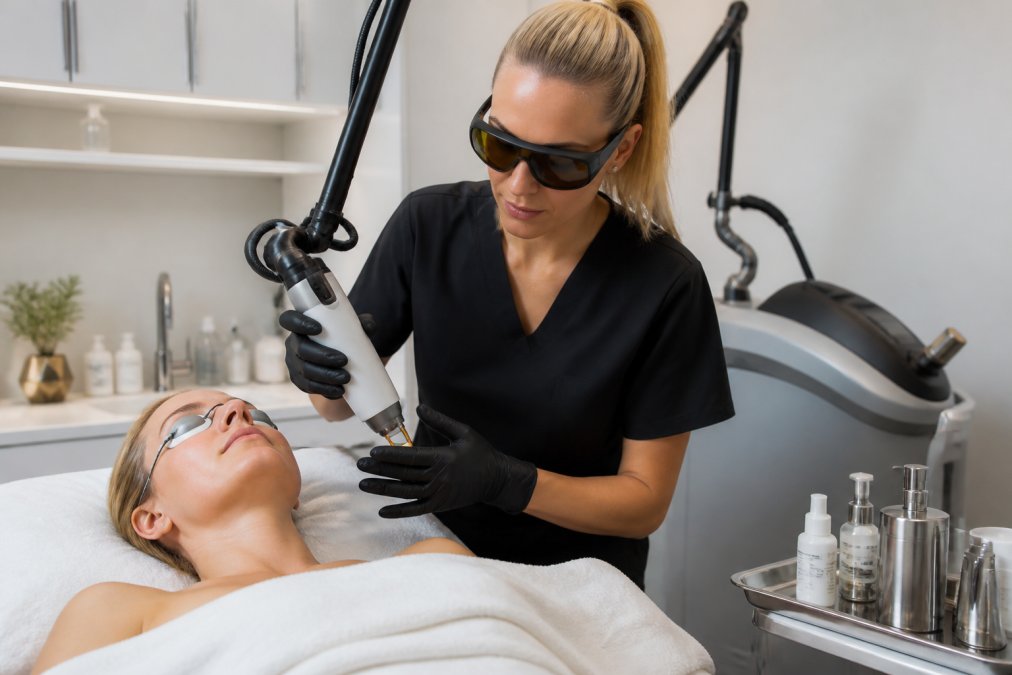
Laser hair removal consistently ranks among the highest-revenue services in aesthetic medicine. Clients require multiple sessions to complete treatment courses, creating predictable, recurring appointment volume. Energy-based devices also include intense pulsed light systems and fractional resurfacing platforms, addressing skin rejuvenation concerns from pigmentation to texture.
A single device can support a full appointment schedule across multiple providers. The key variable is your client demographic. Facilities serving clients with diverse skin tones should prioritize platforms cleared for a wider Fitzpatrick range, directly expanding your addressable market.
According to the American Med Spa Association's industry guidance, laser and energy-based services remain the top revenue category across med spa practices of all sizes.
What works: High session volume, strong rebooking rates, and bundling with complementary skin rejuvenation treatments.
What to watch: Device efficacy varies significantly between platforms. Clinical performance claims should be verified against peer-reviewed outcome data, not just marketing materials.
Body Contouring Machines
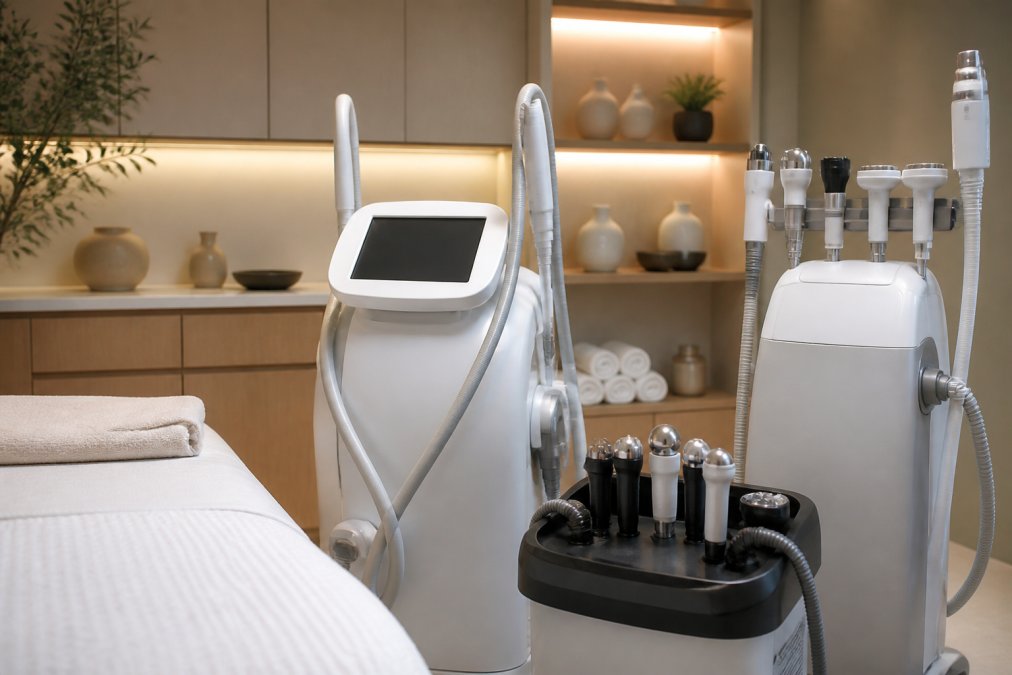
Body contouring is the fastest-growing aesthetic treatment segment, driven by demand for non-surgical alternatives. Technologies include radiofrequency, high-intensity focused electromagnetic stimulation, cryolipolysis, and ultrasound-based platforms.
Each modality targets different tissue layers and outcomes. Practices with a strong anti-aging clientele may find radiofrequency devices more versatile, since the same platform can address both body contouring and facial skin tightening. Consumable costs vary widely, some platforms use proprietary applicators representing significant per-treatment expense. Factor this into your profitability model before procurement.
Red Light Therapy and Skin Rejuvenation Systems
Red light therapy is one of the most operationally efficient services a med spa can add. Treatment sessions are typically 10 to 20 minutes, require minimal staff involvement, and can run concurrently with other services. This monetizes idle treatment room time without adding provider headcount.
Applications include wound healing support, collagen stimulation, and inflammation reduction. Red light therapy appeals to the recovery-focused client segment, a growing market bridging fitness and medical wellness. Eternall Wellness offers commercial-grade red light therapy systems engineered for high-use environments, not consumer-grade panels repurposed for clinical settings.
Hyperbaric Chambers and Thermal Recovery
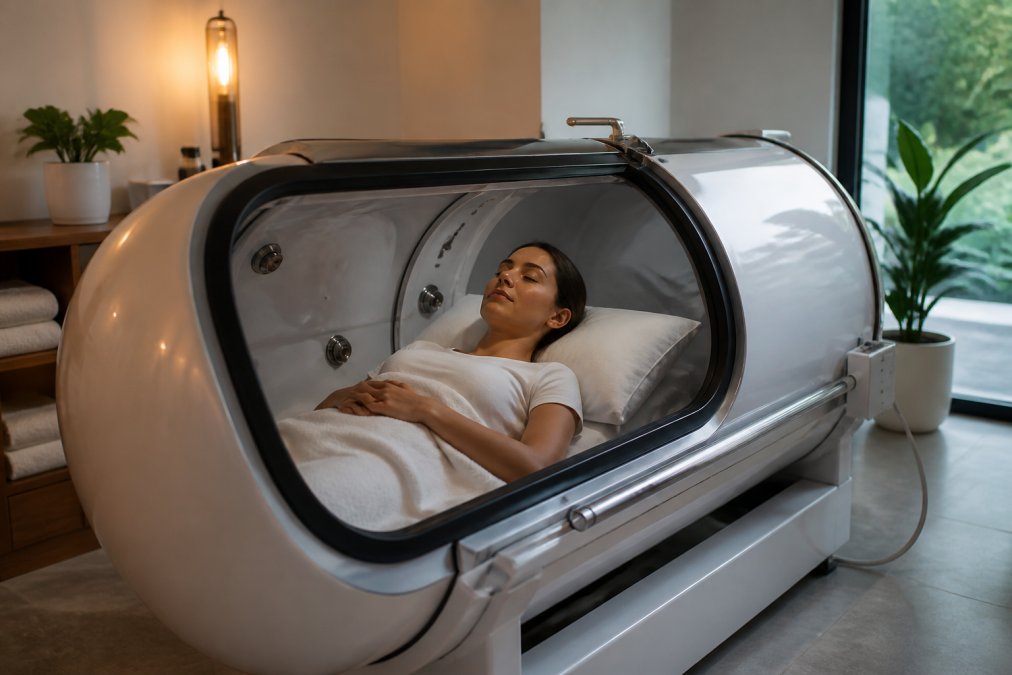
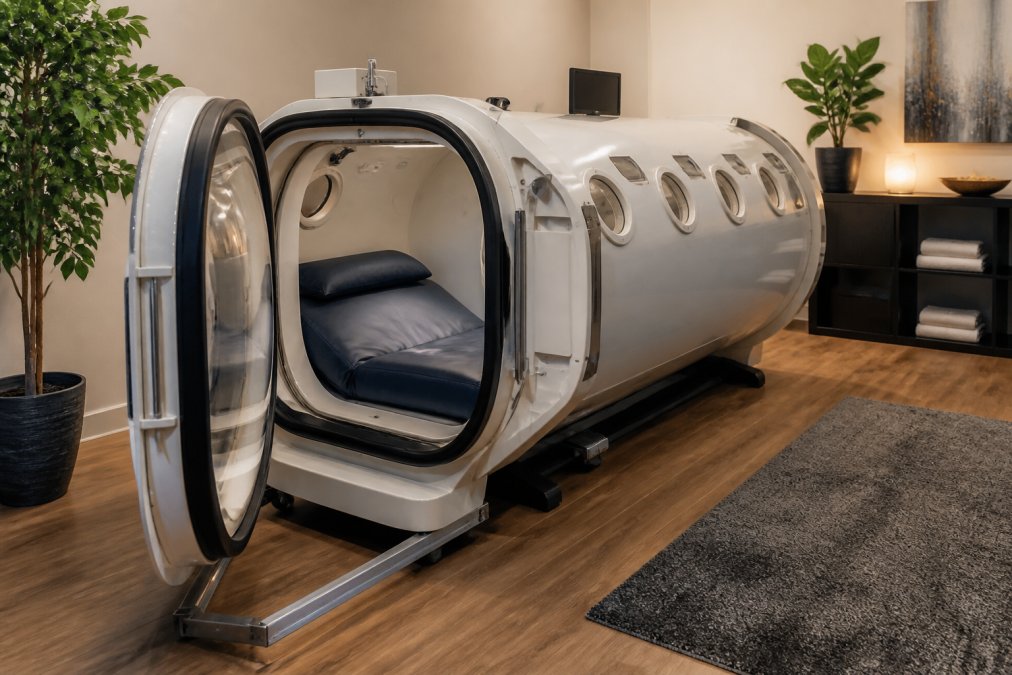
Hyperbaric oxygen therapy and thermal recovery systems attract a distinct client segment beyond traditional aesthetic services. Athletes, executives, and health-optimization clients actively seek these modalities and pay premium rates for access.
Hyperbaric chambers require careful attention to regulatory compliance. The FDA classifies hyperbaric oxygen therapy devices, and facilities must meet applicable safety and training standards. Verify current requirements with your state medical board and consult the FDA's guidance on hyperbaric oxygen therapy devices before procurement.
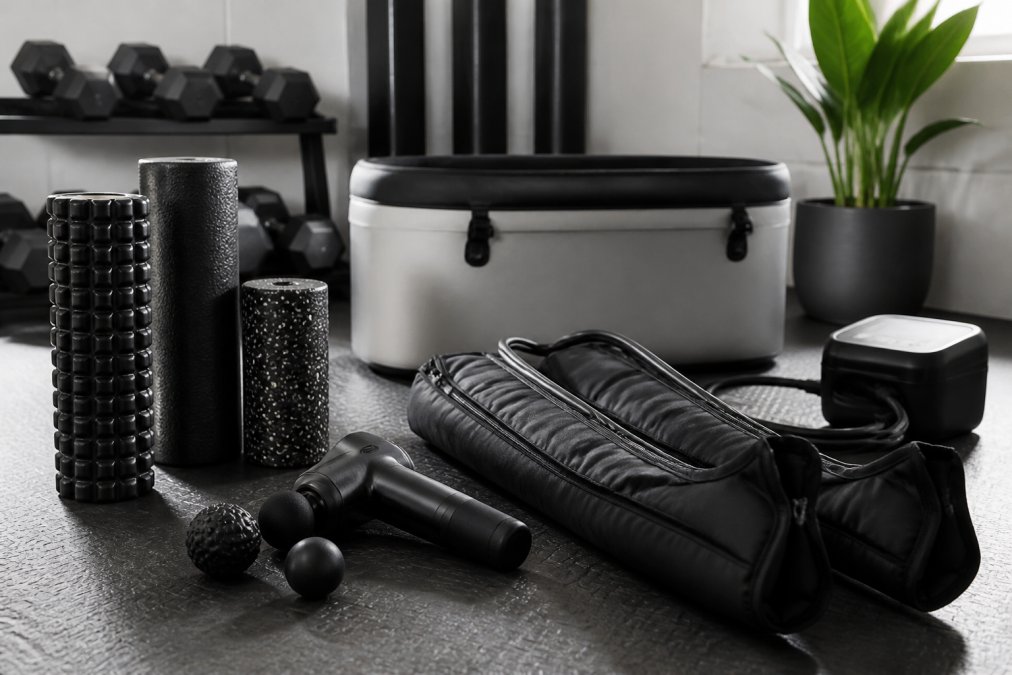
Thermal recovery, including infrared sauna systems and contrast therapy setups, carries lower regulatory complexity and integrates well with recovery programming.
Med Spa Startup Equipment Checklist: What to Buy First
The biggest mistake new med spa owners make is buying too much equipment at launch. Prioritize two or three high-demand services, prove the revenue model, then expand. This preserves capital and provides real use data before your next procurement decision.
| Priority | Equipment Category | Revenue Model | Operational Complexity |
|---|---|---|---|
| 1 | Laser/energy-based device | High recurring revenue, multi-session treatment courses | Moderate, requires trained operator |
| 2 | Microneedling system | Strong demand, low consumable cost | Low, accessible for most licensed providers |
| 3 | Red light therapy system | High margin, low staffing requirement | Low, minimal training required |
| 4 | Body contouring platform | Premium pricing, growing market demand | Moderate, protocol training required |
| 5 | Hyperbaric or thermal recovery | Premium client segment, differentiation value | High, regulatory and safety requirements |
What to buy first: Laser hair removal and microneedling cover the broadest client demand at launch. Red light therapy adds a low-overhead revenue layer. Body contouring and hyperbaric systems are better positioned as phase-two investments once base client volume is established.
A practical rule: if a device can't reach break-even at 60% of your projected use rate, it's too risky for startup phase.
Hidden Operational Costs of Profitable Wellness Equipment for Med Spas
The sticker price of a device rarely determines profitability. Hidden costs accumulate over the equipment lifecycle and significantly erode margins if not modeled in advance.
Consumables, Service Contracts, and Maintenance
Many energy-based devices use proprietary consumables, treatment tips, cartridges, or applicators purchased from the manufacturer. Service contracts are a separate line item, most commercial-grade devices require annual maintenance agreements to preserve warranty coverage and clinical performance.
Maintenance costs compound as devices age. Years one and two are typically warranty-covered, years three and four see moderate service costs, and years five through seven can involve significant component replacement. Model this across the full equipment lifecycle, not just year one.
Space, Infrastructure, and Staff Training Requirements
Space requirements are often overlooked. Hyperbaric chambers require dedicated rooms with specific clearance dimensions, ventilation, and sometimes electrical upgrades. Body contouring platforms may require larger treatment rooms than your current standard.
Infrastructure costs, electrical panel upgrades, HVAC modifications, plumbing for hydrotherapy systems, are capital expenditures not appearing on equipment quotes. Get a facilities assessment before finalizing procurement.
Staff training is another hidden cost. Most devices require formal operator certification. Training timelines range from days for low-complexity systems to weeks for advanced platforms. According to the American Association of Aesthetic Medicine and Surgery's training standards, proper staff training directly correlates with treatment outcomes and liability exposure.
Medical Spa Equipment Leasing vs Buying: Which Model Fits Your Business
The leasing vs buying decision comes down to one question: do you want to preserve working capital or minimize long-term cost of ownership?

Buying outright gives you full ownership, no monthly obligations, and the ability to depreciate the asset under Section 179 of the IRS tax code, allowing businesses to deduct the full purchase price in the year it's placed in service. Check with your accountant for current deduction limits.
Leasing preserves cash flow and allows equipment upgrades at term end, which matters in a field where technology evolves quickly. The tradeoff is total cost: over five years, leasing typically costs more than buying outright.
| Model | Capital Required | Monthly Obligation | Upgrade Flexibility | Best For |
|---|---|---|---|---|
| Outright Purchase | High upfront | None | Low, you own the asset | Established practices with capital reserves |
| Equipment Financing | Low-to-moderate upfront | Fixed monthly payment | Moderate | Growing practices preserving cash flow |
| Operating Lease | Minimal upfront | Monthly lease payment | High, swap at term end | Practices in rapidly evolving tech categories |
Financing through a vendor or third-party lender is a middle path: you build toward ownership while managing cash flow. Eternall Wellness offers financing options designed for this scenario, allowing facilities to expand service offerings without large capital outlay upfront.
For laser platforms, where improvements are incremental, buying makes sense. For body contouring technology, where new modalities enter the market regularly, a lease structure offers more flexibility.
How to Evaluate Device Quality, Safety, and ROI Before You Commit
A rigorous evaluation framework covers four dimensions: regulatory clearance, clinical evidence, operational fit, and financial performance.
Regulatory clearance: Any device used for aesthetic treatments should have FDA 510(k) clearance or equivalent authorization for its intended use. Verify clearance status directly through the FDA's 510(k) premarket notification database, not through manufacturer representations alone.
Clinical evidence: Ask for peer-reviewed studies, not just before-and-after photos. Device efficacy claims should be supported by published clinical data with documented outcomes. If a manufacturer can't provide this, treat it as a red flag.
Operational fit: The best device is one your staff can operate confidently, your treatment rooms can accommodate, and your client base will use. A device scoring high on clinical performance but requiring a specialist you don't have is a liability.
ROI modeling: Build a conservative use model before committing. Estimate sessions per week at 50%, 70%, and 90% use. Calculate break-even at each level. If the device doesn't reach break-even at 70% use within 18 to 24 months, the risk profile is too high.
Use this evaluation checklist before signing any procurement agreement:
- FDA clearance verified for intended treatment indication
- Peer-reviewed clinical data reviewed and assessed
- Consumable cost per treatment calculated
- Service contract terms and annual cost confirmed
- Space and infrastructure requirements assessed
- Staff training timeline and cost confirmed
- Break-even modeled at 50%, 70%, and 90% use
- Equipment lifecycle cost modeled through year five
- Financing or lease terms reviewed by a financial advisor
Use rate is the variable that matters most, more than device price or service pricing. A moderately priced device running at 80% use outperforms an expensive platform running at 40%.
Business scalability in a med spa context isn't about adding more equipment. It's about optimizing revenue per square foot of existing treatment space before expanding.
Choosing the right wellness equipment for med spas is one of the highest-impact decisions a practice owner makes. The wrong device ties up capital and staff time for years. The right one becomes the cornerstone of a profitable, differentiated service menu. Eternall Wellness works with facilities at every stage, from startup procurement planning to phase-two expansion, providing premium multi-modality systems alongside the business analysis to back the investment. Get started with Eternall Wellness and build a service offering that generates revenue from day one.
Frequently Asked Questions
What is the most profitable service to offer in a med spa?
Laser hair removal consistently ranks among the highest-revenue services because of its repeat-visit model and strong client demand. Energy-based treatments like body contouring and skin rejuvenation also generate strong profit margins once the device cost is amortized. The most profitable choice for any specific facility depends on local market demand, room availability, and how well staff are trained to deliver consistent treatment outcomes that drive client retention and referrals.
How do you calculate the ROI of medical spa equipment?
Start with the total cost of ownership: purchase price or lease payments, consumables, service contracts, and staff training. Then estimate realistic weekly session volume and multiply by your per-session price. Divide total equipment cost by monthly net revenue to find your payback period. A device that runs eight sessions per day at a competitive price point typically reaches breakeven faster than one with high consumable costs and lower session frequency. Always model a conservative utilization rate, not a best-case scenario.
What equipment is essential for a new medical spa?
A practical med spa startup equipment checklist should prioritize devices that serve multiple treatment goals and generate revenue quickly. Energy-based devices for laser hair removal and skin rejuvenation are standard anchors. Microneedling systems, body contouring equipment, and injectables support infrastructure round out a core offering. Recovery modalities like red light therapy and hyperbaric chambers add premium revenue streams. Prioritize FDA-cleared devices, verify staff certification requirements, and plan your space and electrical infrastructure before purchasing.
Are body contouring machines worth the investment for med spas?
Body contouring machines can deliver strong ROI when client demand in your market is confirmed before purchase. These devices typically command higher per-session pricing, which shortens the payback period on the capital expenditure. The key variables are consumable costs per treatment, whether the device requires a physician's oversight under your state's scope-of-practice rules, and how effectively your team can market the service. A realistic utilization analysis of six to ten sessions per week is a reasonable starting benchmark for evaluating profitability.
What are the current trends in med spa wellness technology for 2026?
The strongest trends in 2026 center on multi-modality recovery systems that appeal to both aesthetic and performance-focused clients. Red light therapy, hyperbaric chambers, and thermal recovery equipment are seeing growing demand as facilities add wellness revenue streams alongside traditional aesthetic treatments. There is also increased interest in combination protocols that pair skin rejuvenation with recovery technology in a single visit, improving client satisfaction and increasing average transaction value without requiring additional room space.
This article was written using GrandRanker