 listicle
Multi-Modality Recovery Systems for Spas: 2026 Guide
Table of Contents
- What Are Multi-Modality Recovery Systems?
- Core Recovery Technologies Overview
- Wellness Business Diversification Strategies for Spas
- High-ROI Recovery Equipment for Med Spas
- Client Retention Strategies for Wellness Centers
- Space Planning and Equipment Selection Criteria
- Staff Training, Compliance, and Operational Considerations
- Conclusion
Last Updated: August 24, 2026
What Are Multi-Modality Recovery Systems?
Multi-modality recovery systems are integrated wellness platforms that combine therapeutic technologies, hyperbaric oxygen therapy, red light therapy, cryotherapy, and compression systems, into a single treatment environment. Rather than operating isolated equipment, these systems allow spas and wellness clinics to offer comprehensive recovery experiences in coordinated treatments.
For gym owners, med spa directors, and wellness clinic managers, multi-modality recovery systems represent a significant revenue opportunity. They address growing market demand for non-invasive, science-backed wellness solutions while monetizing underutilized treatment space and increasing client lifetime value through premium service diversification. A typical 150-member gym with idle treatment rooms can generate meaningful recurring revenue by adding recovery services. According to wellness industry growth trends, the recovery and wellness sector continues expanding as consumers prioritize preventive health and performance optimization.
Success depends less on the equipment itself and more on understanding your specific client base, available space, staff capacity, and realistic use rates before making the investment.
Core Recovery Technologies Overview
The most effective multi-modality systems integrate four to six core therapeutic modalities. Understanding what each technology does and which clients benefit most is essential before committing to equipment.
Hyperbaric Oxygen Therapy
Hyperbaric oxygen therapy (HBOT) involves breathing pure oxygen in a pressurized chamber at 2.0 to 3.0 atmospheres absolute (ATA) (the FDA). The increased pressure allows the lungs to absorb significantly more oxygen, which the bloodstream delivers to tissues throughout the body. Many wellness practitioners recommend HBOT for post-workout recovery, injury rehabilitation, and circulation enhancement.
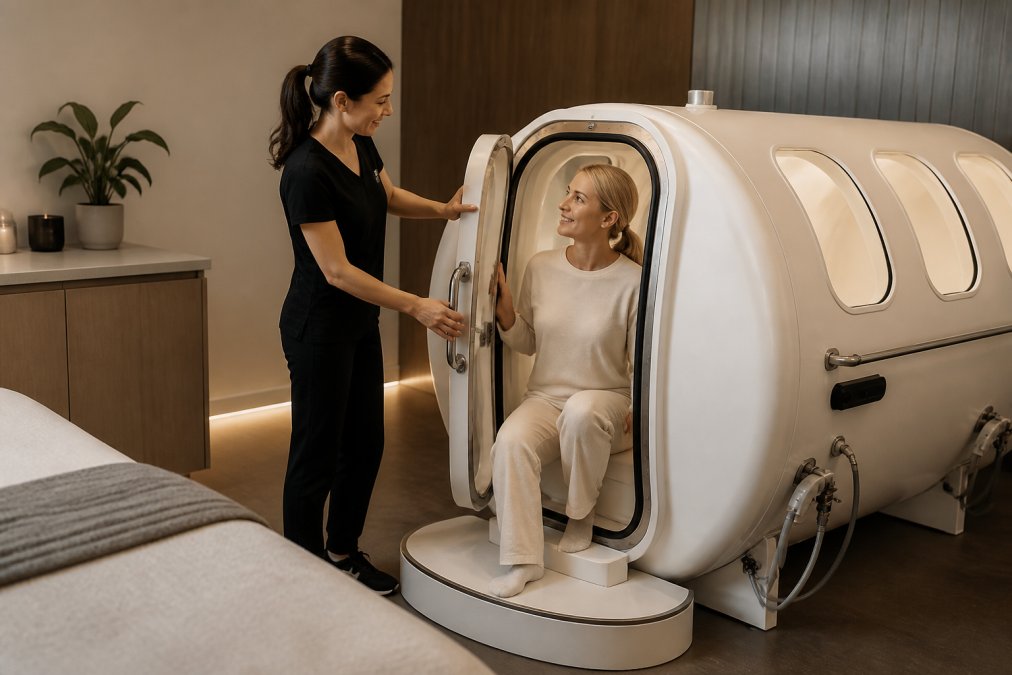
HBOT chambers are capital-intensive. Monoplace chambers (single-occupant) require dedicated space and electrical infrastructure. Multiplace chambers (multiple occupants) allow higher throughput but demand sophisticated medical-grade operation and monitoring. HBOT is often the centerpiece technology that justifies the multi-modality investment because it commands premium pricing and appeals to health-conscious, affluent clients.
HBOT requires FDA compliance and proper staff training. Sessions typically last 60-90 minutes, limiting daily throughput compared to faster modalities like cryotherapy. If your facility has strong demand from athletes, post-surgical patients, or wellness enthusiasts committed to multi-session protocols, HBOT can deliver strong ROI. If your client base prefers quick, efficient treatments, HBOT may underperform relative to its upfront cost.
Red Light and Infrared Sauna Systems
Red light therapy (photobiomodulation) and infrared sauna systems use specific wavelengths of light and heat to stimulate cellular processes. Red light at 600-700 nanometers is believed to enhance mitochondrial function and support collagen production (peer-reviewed research). Infrared saunas operating at 1200-1600 nanometers penetrate deeper tissues and promote detoxification through perspiration.
These modalities are popular for muscle recovery, skin health, and relaxation. They're highly scalable operationally, a single infrared sauna cabin can serve multiple clients throughout the day with minimal staff oversight. Treatment sessions are typically 30-45 minutes, and clients view them as luxurious rather than clinical, making them ideal for spas blending wellness with comfort.
Revenue potential is strong because equipment footprint is modest, operational costs are low, and clients often purchase packages or memberships for ongoing access. Unlike HBOT, these systems don't require intensive staff training or specialized medical oversight.
Cryotherapy and Thermal Contrast
Cryotherapy exposes the body to extreme cold (typically -200°F to -240°F) for 2-3 minutes, triggering a controlled stress response that reduces inflammation and enhances recovery. Thermal contrast therapy alternates between hot and cold exposures, using the body's adaptation to temperature shifts.
Cryotherapy chambers are relatively compact and fast, sessions last only 3 minutes, allowing a single chamber to serve 15-20 clients per day. This high throughput makes cryotherapy economically attractive for high-volume facilities. Many athletes and fitness enthusiasts actively seek cryotherapy for post-workout protocols.
Cryotherapy requires proper safety protocols, staff training on contraindications (pregnancy, certain cardiovascular conditions), and clear client screening. Thermal contrast therapy offers similar benefits with lower equipment costs but longer session times.
Compression Therapy and EMS
Compression therapy uses pneumatic pressure to sequentially compress limbs, enhancing blood flow and lymphatic drainage. Electrical muscle stimulation (EMS) applies electrical currents to trigger muscle contractions, supporting recovery and muscle activation without active exercise.
Both modalities integrate well into multi-modality recovery circuits. Compression therapy sessions typically run 30-45 minutes and feel passive to clients, ideal for recovery-focused messaging. EMS sessions are shorter (20-30 minutes) and appeal to clients seeking performance enhancement or time-efficient muscle engagement. These modalities are excellent add-ons to larger recovery packages without requiring significant additional space or capital investment per unit.
Wellness Business Diversification Strategies for Spas
Adding multi-modality recovery systems is fundamentally a business decision. The most successful implementations treat recovery services as a new revenue stream with its own marketing, pricing, and client acquisition strategy.
Define Your Target Client. Before selecting equipment, clarify who you're trying to attract. Are you targeting post-surgical patients, high-performing athletes, or affluent wellness enthusiasts? Each profile has different price sensitivity, session frequency expectations, and preferred modalities. A med spa serving cosmetic surgery patients might prioritize infrared sauna and red light therapy for skin healing. A gym catering to CrossFit athletes might anchor on cryotherapy and compression therapy.
Develop a Tiered Service Model. Structure packages that combine modalities rather than offering recovery as standalone services. A "30-minute express recovery" might include cryotherapy and compression. A "premium 90-minute recovery session" could combine HBOT, red light therapy, and thermal contrast. This approach increases average transaction value and positions recovery as comprehensive wellness.
Establish Clear Pricing and Use Targets. Clients willing to invest in multi-modality recovery typically have strong willingness to pay. However, pricing must align with local market conditions and your facility's positioning. Define realistic use targets, how many sessions per day per piece of equipment, and ensure your pricing supports your financial model.
Create a Referral and Retention Loop. Recovery services should strengthen overall client retention. A gym member who adds recovery services becomes stickier; a med spa client who discovers recovery modalities is more likely to increase visit frequency. Design your marketing and booking systems to make it easy for existing clients to try recovery services and bundle them with existing treatments.
High-ROI Recovery Equipment for Med Spas
Med spas occupy a unique position with existing clinical credibility, established client bases with higher average spend, and often underutilized treatment rooms. Multi-modality recovery systems can significantly increase revenue per square foot.
The highest-ROI equipment for med spas typically includes infrared sauna systems, red light therapy panels, and compression therapy devices. These modalities integrate seamlessly with existing aesthetic services. A client undergoing post-procedure skin recovery benefits from red light therapy and infrared sauna. A client seeking body contouring values compression therapy for lymphatic support.
HBOT is a strong secondary investment for med spas if you have the space and capital. However, HBOT's longer session time and higher operational complexity make it less essential for med spas than for dedicated recovery studios.
Position recovery services as "procedure support" and "wellness enhancement" rather than standalone treatments. Bundle them with existing services and market them to your existing client base first, they're already in your system and have proven willingness to spend. This approach minimizes client acquisition cost and maximizes equipment use.
Client Retention Strategies for Wellness Centers
Client retention is the hidden ROI of multi-modality recovery systems. A client who experiences one recovery service is more likely to return for follow-up visits and try additional modalities, increasing customer lifetime value significantly.
Build Recovery Packages and Memberships. Create monthly recovery memberships or prepaid packages rather than selling individual sessions. This approach increases predictability, improves cash flow, and creates psychological commitment that drives higher use. A client with a "4 sessions per month" recovery membership is far more likely to actually use those sessions.
Integrate Recovery into Existing Client Journeys. If you operate a gym, position recovery as the natural conclusion to a workout. If you run a med spa, recommend recovery services as part of post-procedure care. Train your staff to educate clients on how specific modalities support their stated wellness goals.
Track and Share Results. Clients who see measurable improvements in recovery times, reduced muscle soreness, and better sleep become advocates and repeat customers. Encourage clients to track their own experience through post-session surveys or wearable integration.
Create Community Around Recovery. Host "recovery challenges" or group sessions. Position your recovery services as part of a broader wellness community rather than isolated treatments. This approach particularly resonates with gym members and fitness-focused clients.
Space Planning and Equipment Selection Criteria
The physical footprint and layout of your recovery zone dramatically affect use and client experience. Poor space planning results in underutilized equipment and operational inefficiency.
Assess Your Available Space. Hyperbaric chambers and infrared saunas require dedicated rooms with proper ventilation and electrical infrastructure. Cryotherapy chambers need climate control. Compression and EMS devices are more flexible but still require private or semi-private treatment areas. A small med spa with limited square footage might prioritize portable or compact modalities like compression therapy and red light panels over a large HBOT chamber.
Plan for Client Flow. Design your recovery zone to minimize bottlenecks. If clients are booking sequential modalities, ensure the layout supports smooth transitions. Consider whether clients will wait in a lounge, change in a dedicated area, or move directly between treatment rooms.
Calculate Cost Per Session and ROI. For each equipment type, estimate upfront capital cost, annual operating costs, expected sessions per day, target session price, breakeven timeline, and projected 3-year ROI. A cryotherapy chamber with lower capital cost but high daily throughput might break even faster than a HBOT chamber with higher upfront cost but lower session volume.
Consider Future Expansion. Select equipment and layout that allow you to add modalities later without major disruption. A modular approach, starting with 2-3 core technologies and adding others as demand and capital allow, often works better than building the complete recovery suite from day one.
Staff Training, Compliance, and Operational Considerations
Equipment capability means nothing if your staff can't operate it safely and effectively. This is where many facilities stumble, they invest in premium equipment but underinvest in training and protocols.
Understand Regulatory Requirements. HBOT chambers fall under FDA oversight and often require medical supervision depending on intended use and chamber type. Research the specific regulatory landscape in your state for each modality you're considering. Some states have additional requirements around who can operate certain equipment or what credentials are necessary.
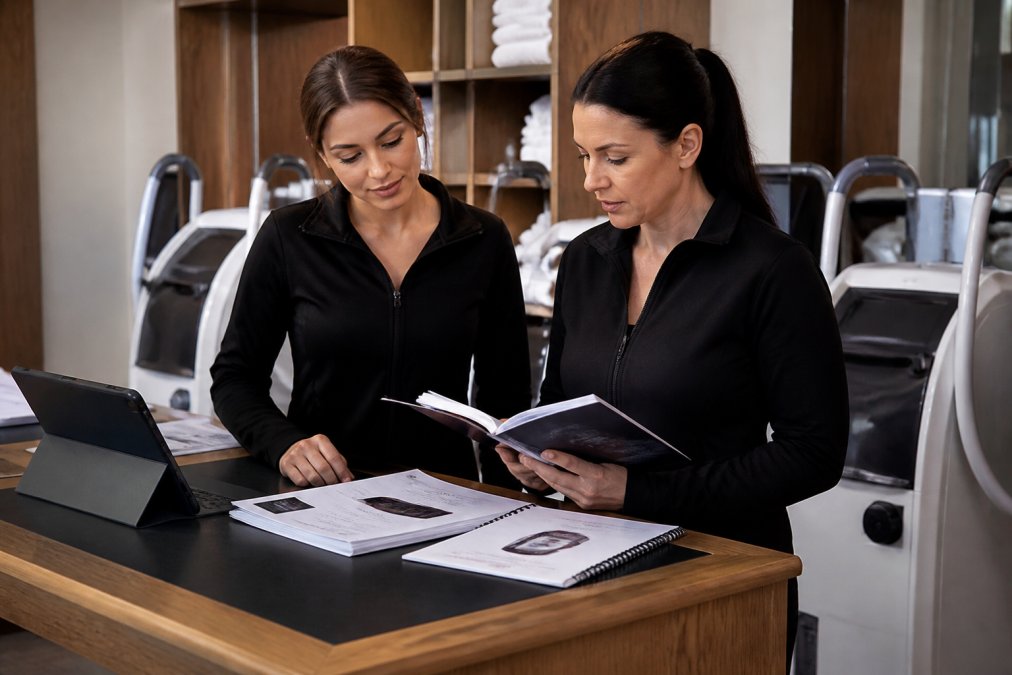
Invest in Comprehensive Staff Training. Before launching recovery services, ensure your team understands safe operation of each piece of equipment, client screening and contraindications, emergency procedures and safety protocols, how to educate clients on benefits and proper use, and basic troubleshooting and maintenance. This training should be ongoing, not one-time. Many equipment manufacturers offer certification programs worth the investment because they reduce liability risk and improve client outcomes.
Establish Maintenance and Sanitation Protocols. Multi-modality recovery equipment requires regular maintenance to function safely and last long. Create a documented maintenance schedule and assign clear responsibility. Neglected equipment breaks down, frustrates clients, and creates liability exposure.
Plan for Staffing Levels. Recovery services require active client engagement, greeting, screening, education, and monitoring. A single staff member can manage multiple pieces of equipment if designed for sequential use, but simultaneous sessions require adequate coverage. Underestimating staffing needs leads to poor client experience and underutilization.
Address Insurance and Liability. Consult with your insurance provider and legal counsel about coverage for recovery services. Different modalities carry different liability profiles. Ensure your liability insurance covers the services you're offering and that you have proper waivers and informed consent documentation in place.
The decision to add multi-modality recovery systems should be grounded in realistic assessment of your facility's capacity, your target client's actual demand, and your team's ability to operate and maintain the equipment safely. The highest-performing facilities don't necessarily have the most advanced equipment, they have clear business models, well-trained staff, and strong integration between recovery services and their core offerings.
At Eternall Wellness, we help facilities evaluate multi-modality recovery not as an equipment purchase, but as a complete business solution. Our approach includes realistic ROI modeling, space planning support, staff training coordination, and ongoing operational guidance. Start with a clear understanding of your goals, your market, and your operational readiness. The technology follows the strategy, not the reverse.
| Recovery Modality | Session Duration | Daily Throughput | Capital Investment | Best For |
|---|---|---|---|---|
| Hyperbaric Oxygen Therapy | 60-90 min | 4-6 sessions | High | Clinical recovery, premium positioning |
| Infrared Sauna | 30-45 min | 8-12 sessions | Moderate | Wellness integration, skin health |
| Red Light Therapy | 20-30 min | 12-16 sessions | Low-Moderate | Scalable add-on, skin support |
| Cryotherapy | 3 min | 15-20 sessions | Moderate | High-volume facilities, athletes |
| Compression Therapy | 30-45 min | 6-10 sessions | Moderate | Recovery packages, lymphatic support |
| EMS | 20-30 min | 10-14 sessions | Low-Moderate | Time-efficient, performance focus |
Frequently Asked Questions
What are the most profitable recovery modalities for spas?
Hyperbaric oxygen therapy, red light therapy, and cryotherapy typically generate the highest per-session revenue for spas. Profitability depends on initial equipment investment, utilization rate, and local market pricing. Multi-modality systems allow spas to bundle services, offering a complete recovery circuit, which increases average transaction value and client retention compared to single-modality offerings.
How do multi-modality recovery systems improve client retention?
Multi-modality systems create a comprehensive wellness ecosystem that keeps clients engaged longer and more frequently. When clients experience multiple therapeutic modalities in one visit, such as hyperbaric oxygen followed by infrared sauna and compression therapy, they perceive greater value and results. This integrated approach also positions your spa as a clinical-grade wellness destination, attracting performance-focused and health-conscious clients who are willing to commit to recurring sessions.
What space requirements are needed for commercial recovery equipment?
Space needs vary significantly by technology. Hyperbaric chambers require dedicated rooms with proper ventilation and electrical infrastructure. Red light therapy and infrared saunas need climate-controlled treatment zones. Cryotherapy and compression therapy systems can fit into compact spaces. A professional assessment of your existing layout is essential to determine whether you can integrate equipment into idle treatment rooms or need to reconfigure your facility. Proper space planning maximizes utilization and client flow.
What training and support does Eternall Wellness provide after purchase?
Staff training and ongoing support are critical to successful equipment operation and client safety. Eternall Wellness provides comprehensive training on equipment operation, client safety protocols, and maintenance procedures. The level of support available depends on the specific system and your service agreement. Discuss training requirements and post-purchase support options directly with Eternall Wellness to ensure your team is equipped to operate equipment safely and effectively.
This article was written using GrandRanker