 ultimate-guide
Liability and Compliance for Hyperbaric Chambers: 2026 Guide
Table of Contents
- Understanding Liability and Compliance for Hyperbaric Chambers
- FDA Hyperbaric Chamber Regulations and Device Classification
- Hyperbaric Chamber Fire Safety Standards Under NFPA 99
- Staff Training, Credentialing, and Operational Competency
- Hyperbaric Oxygen Therapy Business Insurance Requirements
- Equipment Maintenance, Documentation Audits, and Site Inspections
- Negligence Risk Management and Post-Incident Legal Defense
- Cybersecurity and Telehealth Compliance for Connected Hyperbaric Systems
- Frequently Asked Questions
Last Updated: October 1, 2026
Understanding Liability and Compliance for Hyperbaric Chambers
Liability and compliance for hyperbaric chambers represents one of the most complex regulatory landscapes in the wellness industry. If you're operating hyperbaric oxygen therapy services, whether in a gym, med spa, or wellness clinic, you're managing multiple overlapping federal, state, and local requirements simultaneously. Miss one, and you expose your facility to fines, litigation, or operational shutdown.
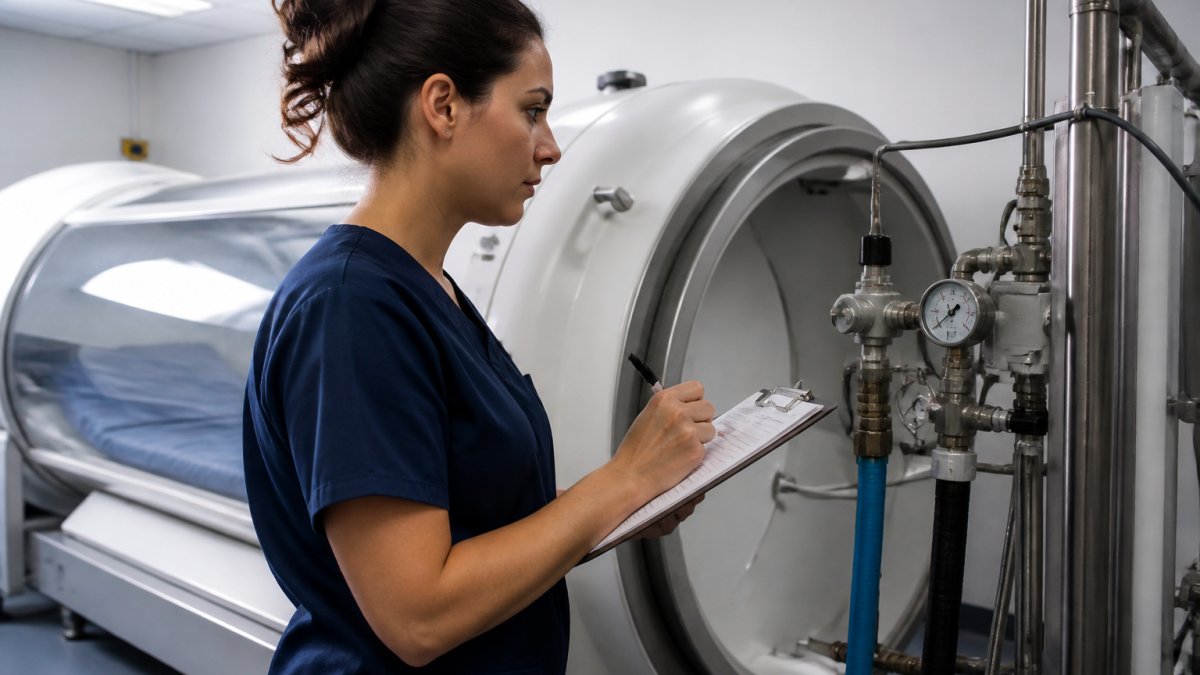
The challenge isn't that the rules are unclear. It's that they're fragmented across different agencies, each with its own authority and enforcement mechanisms. The FDA regulates the devices themselves. NFPA 99 sets fire safety standards. Your state medical board may impose additional credentialing requirements. Insurance carriers impose their own underwriting conditions. Local health departments conduct site inspections. Each layer compounds the compliance burden.
At Eternall Wellness, we work with facility operators who understand that adding hyperbaric chambers isn't just a business decision, it's a regulatory one. The equipment pays for itself through service revenue, but only if you're operating within the legal framework that governs these systems. This guide walks you through the major liability and compliance requirements you'll face, and the specific documentation and operational protocols that protect both your clients and your business.
FDA Hyperbaric Chamber Regulations and Device Classification
The FDA classifies hyperbaric chambers as Class 2 medical devices, which means they require premarket notification through the 510(k) process. This isn't optional, it's mandatory before you can legally sell or operate a hyperbaric chamber in a commercial setting.
Class 2 Medical Device Status and Clearance Requirements
A Class 2 device sits in the middle of the FDA's regulatory spectrum. It's not as heavily regulated as Class 3 (highest risk), but it requires more oversight than Class 1 (lowest risk). The 510(k) pathway requires manufacturers to demonstrate substantial equivalence to a predicate device already on the market. For operators, this means the chamber you purchase should come with FDA clearance documentation from the manufacturer.
When evaluating equipment, verify that your supplier can provide the 510(k) clearance letter or summary.
Medical Device Reporting and Adverse Event Documentation
The FDA's Medical Device Reporting (MDR) system requires manufacturers and sometimes facilities to report serious adverse events. If a patient experiences a barotrauma injury, oxygen toxicity, or other serious harm potentially related to the hyperbaric chamber, the manufacturer must file an MDR report within 30 days for deaths and 5 business days for imminent public health hazards.
Hyperbaric Chamber Fire Safety Standards Under NFPA 99
NFPA 99 (Standard for Health Care Facilities) establishes the fire safety requirements for hyperbaric chambers operating in medical and commercial settings. This standard addresses the unique hazards of pressurized oxygen-enriched environments, where fire risk escalates dramatically.
Pressurized Environment Risk Mitigation
The core fire risk in hyperbaric therapy stems from the combination of elevated oxygen concentration and pressurized conditions. Oxygen accelerates combustion, materials that burn slowly in normal air ignite rapidly in pressurized oxygen. NFPA 99 requires facilities to control ignition sources, limit flammable materials, and ensure proper ventilation.
Emergency Shutdown Procedures and Equipment Inspection
NFPA 99 mandates that every hyperbaric chamber have an emergency shutdown system accessible to both the operator and the patient. The chamber must depressurize safely in an emergency without creating rapid pressure changes that could cause decompression sickness.
Staff Training, Credentialing, and Operational Competency
Operating a hyperbaric chamber requires trained personnel who understand both the equipment and the physiological responses of patients under pressure. Inadequate training is a leading cause of patient incidents and subsequent litigation.
Hyperbaric Oxygen Therapy Business Insurance Requirements
No amount of operational excellence eliminates risk entirely. Insurance transfers financial risk to a carrier and provides a legal defense fund if you're sued.
General Liability and Medical Malpractice Coverage
General liability insurance covers bodily injury and property damage claims. Medical malpractice insurance (also called professional liability) covers claims that your facility's treatment caused patient harm. For hyperbaric operations, you need both.
Policy Exclusions and Coverage Gaps to Avoid
Read your policy exclusions carefully. Some carriers exclude coverage for claims arising from equipment failure, inadequate training, or violation of safety standards. These exclusions can leave you uninsured precisely when you need coverage most.
Common coverage gaps include:
- Equipment liability: Damage caused by a chamber malfunction may be excluded. Ensure your policy covers product liability for the hyperbaric system itself.
- Regulatory penalties: Fines from FDA or state health department violations are typically not covered by insurance. Budget for potential regulatory costs separately.
- Cyber liability: If your facility uses connected hyperbaric systems with remote monitoring, standard medical malpractice policies may not cover data breaches or ransomware attacks affecting patient safety systems.
Equipment Maintenance, Documentation Audits, and Site Inspections
Regulatory compliance is built on documentation. If you can't prove you did something, regulators and courts assume you didn't.
Preventative Maintenance Schedules and Compliance Audits
Establish a preventative maintenance schedule aligned with the manufacturer's recommendations and NFPA 99 standards. Schedule inspections monthly, document every inspection, and maintain records for at least five years. Each record should include the date, time, inspector name, items checked, any defects found, and corrective actions taken.
Local Municipal Requirements and Facility Accreditation
Your facility may be subject to local health department regulations beyond federal FDA and NFPA standards. Some jurisdictions require permits for operating hyperbaric chambers, conduct annual inspections, or impose additional safety requirements. Contact your local health department to determine what permits and inspections apply to your facility.
Negligence Risk Management and Post-Incident Legal Defense
Negligence claims in hyperbaric therapy typically allege that the facility failed to follow safety standards, inadequately trained staff, or failed to monitor the patient properly. Your defense rests on documentation showing that you followed established protocols.
Patient Safety Protocols and Incident Reporting
Develop written safety protocols for every aspect of hyperbaric operations: patient screening, pre-treatment assessments, chamber operation, patient monitoring during treatment, emergency procedures, and post-treatment follow-up. Staff should follow these protocols consistently and document compliance.
Documentation as Legal Defense and Regulatory Oversight
Comprehensive documentation serves multiple purposes. It satisfies regulatory requirements, supports your insurance claim if you're sued, and demonstrates that you operated reasonably and in accordance with established standards.
Cybersecurity and Telehealth Compliance for Connected Hyperbaric Systems
Modern hyperbaric chambers increasingly include connected monitoring systems that track chamber pressure, oxygen concentration, patient vitals, and treatment parameters. These systems create new compliance obligations around data security and patient privacy.
Frequently Asked Questions
What FDA regulations apply to operating hyperbaric chambers in a commercial wellness facility?
Hyperbaric chambers are classified as Class 2 medical devices by the FDA, requiring 510(k) premarket notification and compliance with performance standards. Operators must ensure devices have FDA clearance, maintain Medical Device Reporting documentation for adverse events, and follow current clinical standards. Your facility should verify that any chamber you operate has proper clearance documentation and establish procedures to report any malfunctions or patient incidents to the FDA as required.
How does hyperbaric chamber fire safety standards compliance protect my business from liability?
NFPA 99 fire safety standards govern pressurized environments and hyperbaric systems, requiring emergency shutdown capabilities, proper ventilation, oxygen monitoring, and regular equipment inspections. Compliance reduces negligence risk by demonstrating you followed established safety protocols. Documentation of maintenance, staff training, and safety drills creates a legal record that you operated responsibly. If an incident occurs, this documentation becomes critical evidence in your post-incident legal defense and shows regulatory oversight was in place.
What type of insurance coverage do I need for hyperbaric oxygen therapy business operations?
You need general liability insurance that covers medical device operations and medical malpractice insurance specific to hyperbaric oxygen therapy services. Review policy exclusions carefully, some carriers exclude coverage for certain modalities or pressurized equipment. Ensure your policy covers patient injury, equipment failure, and negligence claims. Work with an insurance broker familiar with wellness facilities to verify your coverage includes hyperbaric operations and that limits are adequate for your facility size and patient volume.
What documentation is required to maintain compliance for hyperbaric chamber operations?
Maintain records of equipment maintenance schedules, preventative maintenance completion, staff credentialing and training dates, patient incident reports, adverse event documentation for FDA reporting, emergency shutdown test results, and facility inspection reports. Documentation audits should be conducted regularly to verify compliance. These records demonstrate regulatory oversight and are essential if your facility faces a compliance audit or legal challenge. Keep documentation organized and accessible for at least the period required by your state regulations and insurance policy.
Do I need special licensing or permits to operate a hyperbaric chamber in my facility?
Licensing requirements vary by state and local jurisdiction. Some states require specific medical device operator licenses or permits for hyperbaric facilities, while others regulate through facility accreditation or medical director oversight. Local municipal requirements may include building permits, fire safety inspections, and zoning compliance. Contact your state health department and local code enforcement office to determine what licenses, permits, or certifications your specific facility and location require before operating hyperbaric equipment.
How can I protect my business from negligence claims related to hyperbaric chamber operations?
Establish comprehensive patient safety protocols including pre-treatment screening, informed consent procedures, and clear incident reporting processes. Implement staff training and credentialing programs to ensure operators are competent. Maintain detailed documentation of all treatments, patient responses, and any adverse events. Conduct regular compliance audits and equipment inspections. Secure appropriate medical malpractice and general liability insurance. This multi-layered approach demonstrates due diligence and provides legal defense documentation if a claim arises.
What should I know about Medicare and Medicaid reimbursement compliance for hyperbaric oxygen therapy?
Medicare covers hyperbaric oxygen therapy only for specific approved conditions under CMS guidelines, with strict documentation and supervision requirements. Reimbursement rates and covered conditions change periodically, so verify current CMS guidelines before offering services for insurance billing. If you bill Medicare or Medicaid, maintain detailed documentation of medical necessity, treatment protocols, and physician orders. Improper billing can result in compliance violations and liability exposure. Consult with a healthcare compliance specialist if you plan to accept insurance for hyperbaric services.